Cat Sanctuaries at Home: Indoor Feline Paradise Design
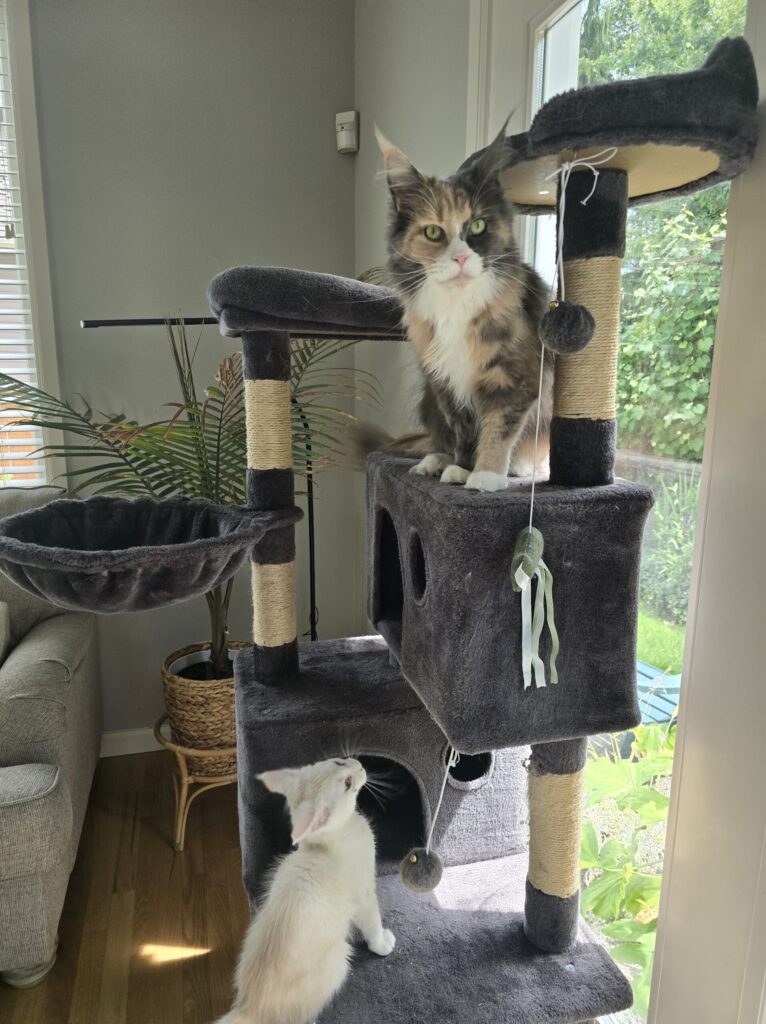
Welcome to Luna and Penelope’s Feline Kingdom
In our home, creating cat sanctuaries isn’t just about providing basic needs. It’s about honoring the complex, beautiful nature of feline behavior while designing spaces that truly serve their souls. With Luna, my spunky shoulder-riding kitten, and Penelope, my gentle Maine Coon, I’ve learned that cat sanctuaries at home require a completely different approach than dog-friendly spaces.
Cats don’t just live in our houses; they inhabit them three-dimensionally. They claim vertical territory, seek quiet retreat spaces, and need environmental control in ways that dogs simply don’t. This guide shares real-world strategies for creating indoor feline paradise environments. These spaces nurture natural behaviors while maintaining beautiful, functional areas for the whole family.
For dog parents, see our guide on dog-friendly home design, and if you’re managing both species, our article on multi-pet household harmony provides essential strategies for peaceful coexistence.
What Is a Cat Sanctuary at Home?
A cat sanctuary is a thoughtfully designed indoor environment. It provides cats with vertical territory, sensory enrichment, quiet retreat spaces, and environmental control. Unlike dog-friendly spaces that focus on ground-level comfort, cat sanctuaries honor felines’ instinctual needs. They must accommodate climbing, observation from heights, and environmental control.
This matters because cats are both predators and prey animals. They require elevated observation points for security. They need multiple escape routes for safety and quiet zones for rest. When we design with these instincts in mind, we create spaces where cats don’t just survive, they flourish.
Understanding Feline Territory and Cat Sanctuary Design Basics
Cats require distinctly different environmental considerations. These spaces must respect their instincts for vertical territory, quiet retreat spaces, and environmental control. International Cat Care offers comprehensive resources for creating cat-friendly indoor environments. Creating effective cat sanctuaries at home means thinking three-dimensionally and honoring each cat’s unique personality.
Our cats’ primary sanctuary in the sunny bonus room exemplifies ideal feline paradise design. Large windows positioned for maximum sun exposure throughout the day provide abundant natural light that cats crave. This isn’t just about aesthetics. Cats use sunlight for temperature regulation, vitamin D synthesis, and natural mood enhancement.
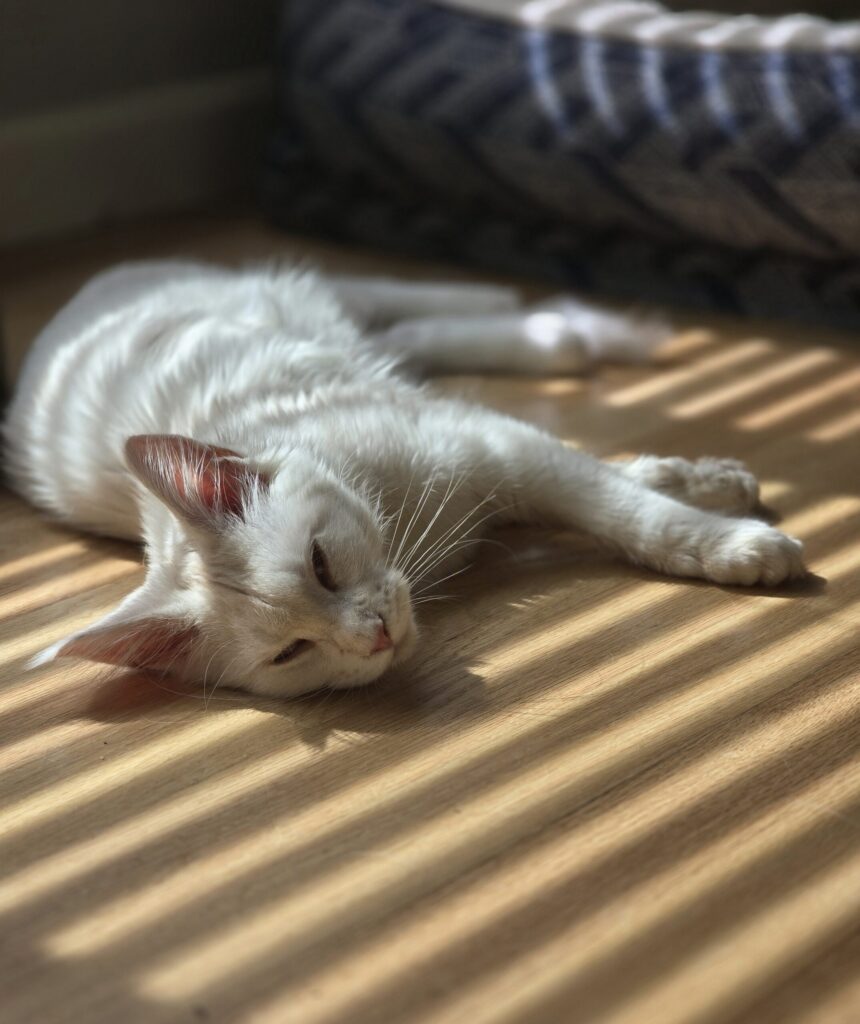
Multiple cat trees of varying heights satisfy climbing instincts. They create the vertical territory that’s essential for cat sanctuaries at home. Safe plant integration – cat grass, spider plants, and other non-toxic greenery – offers sensory enrichment that connects them to nature without compromising safety.
The key to successful cat sanctuaries lies in understanding that cats are both predators and prey animals. They need elevated observation points where they feel secure, multiple escape routes for quick exits, and quiet spaces where they can retreat when overwhelmed. This dual nature shapes every design decision in effective feline paradise spaces.
Luna’s Kitten Development Space: Growing Into Her Territory
Luna’s kitten base camp in London’s room demonstrates an important principle. Cat sanctuaries can support healthy development at different life stages. This carefully designed space also serves as preparation for Luna’s upcoming transition to college life as an emotional support cat. For complete guidance on preparing cats for college life, see our comprehensive guide on bringing your cat to college as an emotional support animal.
Key elements for kitten spaces:
- Age-appropriate climbing structures that challenge without overwhelming
- Interactive play opportunities for mental stimulation and bonding
- Physical affection accommodation like shoulder riding for social growth
- Gradual house exploration with clear boundaries
- Safe hiding spots for overstimulation recovery
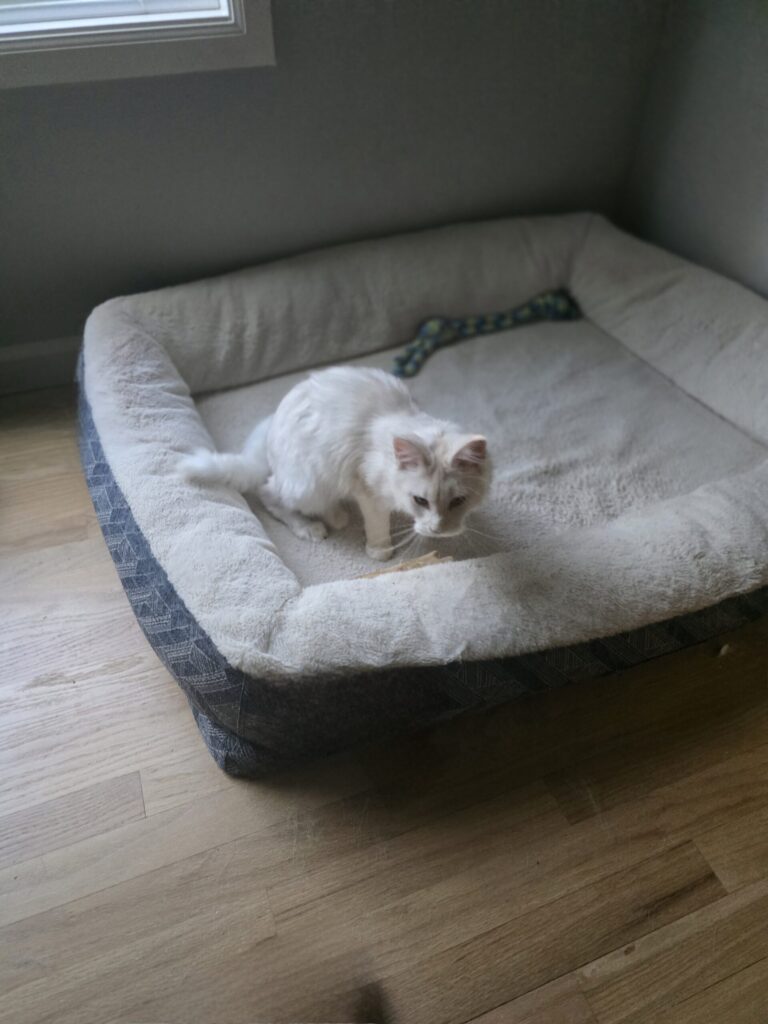
The beauty of designing cat sanctuaries for kittens lies in their adaptability. Luna’s curious nature means her space includes puzzle feeders, rotating toys, and safe hiding spots. She can retreat to these when play becomes too stimulating. As she grows, these elements can be modified to match her changing needs and increased capabilities.
What amazes me about Luna is how naturally she’s claimed vertical territory throughout our home. Watching her discover new climbing routes and establish favorite perches reminds me of something important. Cat sanctuaries aren’t just about furniture placement. They’re about creating opportunities for natural feline behaviors to flourish.
Penelope’s Mature Cat Haven: Dignity and Comfort Combined
Penelope’s needs as a mature cat remind us of an important truth. Adult felines require quiet, undisturbed spaces for contemplation within their cat sanctuaries. Easy access to resources honors her dignified preferences and supports her ongoing dental recovery. Food, water, and litter are positioned for convenience without competition.
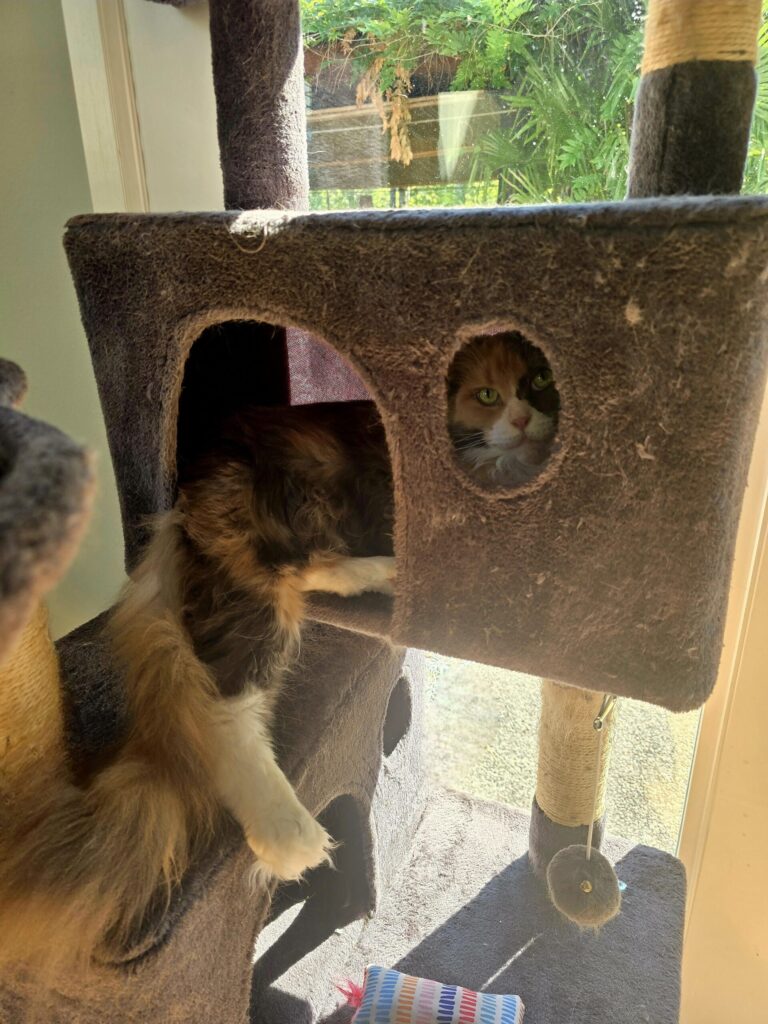
Her recovery needs have taught me valuable lessons about adaptive cat sanctuary design:
Essential features for mature cats:
- Soft surfaces for comfortable resting
- Easy access to water sources
- Gentle enrichment options that don’t require intense physical activity
- Temperature variety—warm sunny spots and cool retreats
- Elevated feeding stations that double as hidden litter furniture
The elevated feeding station keeps resources accessible to cats but dog-proof. Penelope can eat and eliminate in peace, elevated away from household traffic and curious canine noses. Temperature variety is especially important for cats recovering from medical procedures, as they may have different comfort needs than healthy cats.
Vertical Territory: The Heart of Cat Sanctuaries at Home
Strategic multi-level planning forms the foundation of successful cat sanctuaries at home. Our upcoming cat shelves under vaulted ceilings will create aerial highways for climbing and observation. They’ll maximize vertical space while providing exercise opportunities.
Vertical territory serves multiple functions in feline paradise design: exercise, security, territory marking, and entertainment. Cats naturally seek high vantage points where they can observe their environment while feeling safe from potential threats. In indoor cat sanctuaries, this translates to cat trees, wall-mounted shelves, and elevated perches near windows.
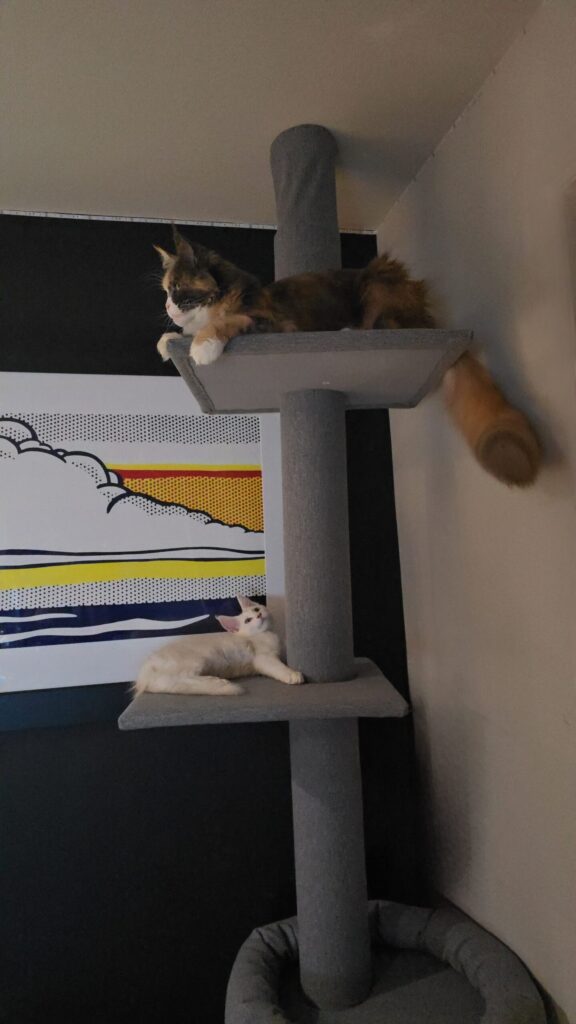
The key to effective vertical territory lies in creating connected pathways rather than isolated high spots. Cats prefer to move through their environment in circuits, accessing different elevations through planned routes. This means positioning cat trees near shelving, ensuring adequate spacing for safe jumping, and providing multiple path options.
Consider sight lines when planning vertical elements in cat sanctuaries at home. Cats want to see what’s happening in their territory from their elevated positions. Strategic placement near windows allows outdoor observation, while positions overlooking main living areas let cats monitor household activity.
Essential Elements of Feline Paradise Design
Creating truly effective cat sanctuaries at home requires attention to specific elements that serve feline instincts and preferences. After watching Luna and Penelope claim their territories in completely different ways, I’ve learned an important lesson. Successful feline paradise design combines natural elements, safety considerations, and thoughtful room integration.
The Foundation: Natural Light and Sensory Enrichment
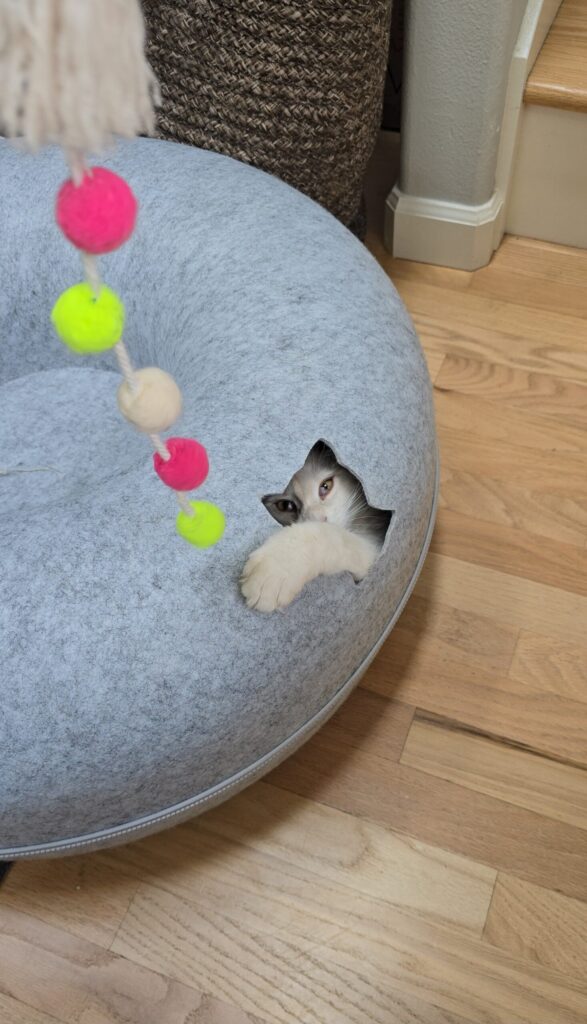
Abundant natural light from strategically placed windows provides more than just warmth. It supports circadian rhythms, mood regulation, and territory monitoring. Position cat furniture to maximize access to sunny spots throughout the day, creating multiple options as light patterns shift.
Window perches and sills become prime real estate. Cats can watch outdoor activity, observe birds and squirrels, and regulate their temperature naturally.
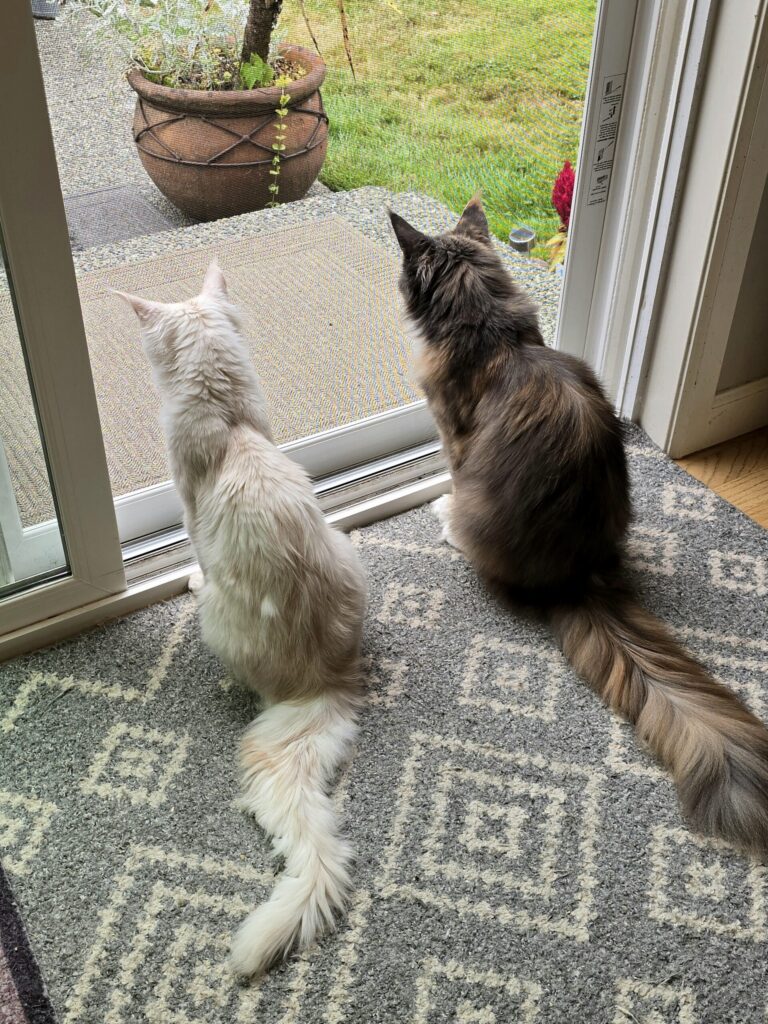
This is where safe plant integration transforms cat sanctuaries from sterile environments into stimulating spaces. Cat grass provides safe nibbling opportunities, spider plants offer interesting textures and movements, and herbs like cat-safe lavender can provide calming aromatherapy. Elevated planters prevent soil digging while keeping plants within sniffing range. Rotating varieties prevents habituation while providing seasonal interest.
Comfort Zones: Textures and Territory
Cats are texture connoisseurs who appreciate variety in their resting surfaces. Plush fleece for warmth, cooling tiles for hot days, memory foam for joint support (especially important for Penelope’s recovery), and natural fibers for scratching all serve different comfort needs. The magic lies in placement. Position some surfaces in high-traffic areas for social cats who want to be near family activity. Place others in quiet retreats for when solitude calls.
Safety First: Cat-Proofing Your Feline Paradise
Creating safe cat sanctuaries requires understanding feline curiosity and the unique hazards cats face as natural climbers and explorers. Unlike dogs who primarily explore at ground level, cats investigate through jumping, climbing, and sometimes tasting. This means safety considerations extend vertically throughout your space.
Plant Safety and Toxic Elimination
Remove all toxic plants completely from cat sanctuaries, lilies, azaleas, tulips, and many common houseplants can be lethal to cats. Even “cat-safe” plants should be monitored, as some cats may develop sensitivities. If your cat sanctuaries include screened porches or supervised outdoor time, research all outdoor plants and treatments to ensure they pose no toxicity risks.
Securing the Vertical World
Anchor all tall furniture, cat trees, and shelving systems to walls to prevent tipping during climbing or play. Cats generate significant force when jumping, and unstable vertical elements pose serious injury risks. Ensure adequate spacing between elevated elements – while cats are excellent jumpers, gaps that are too wide can lead to dangerous falls.
Don’t forget about small objects that become choking hazards. String, ribbon, rubber bands, and small toys should be monitored and stored safely when not in supervised use. Regular inspection of cat sanctuaries helps catch potential hazards before they become problems.
Integrating Cat Sanctuaries Throughout Your Home
Rather than confining feline paradise to one room, the most successful cat sanctuaries flow throughout the home, creating connected territories that serve different purposes and moods.
Living Areas: Where Social Meets Secure
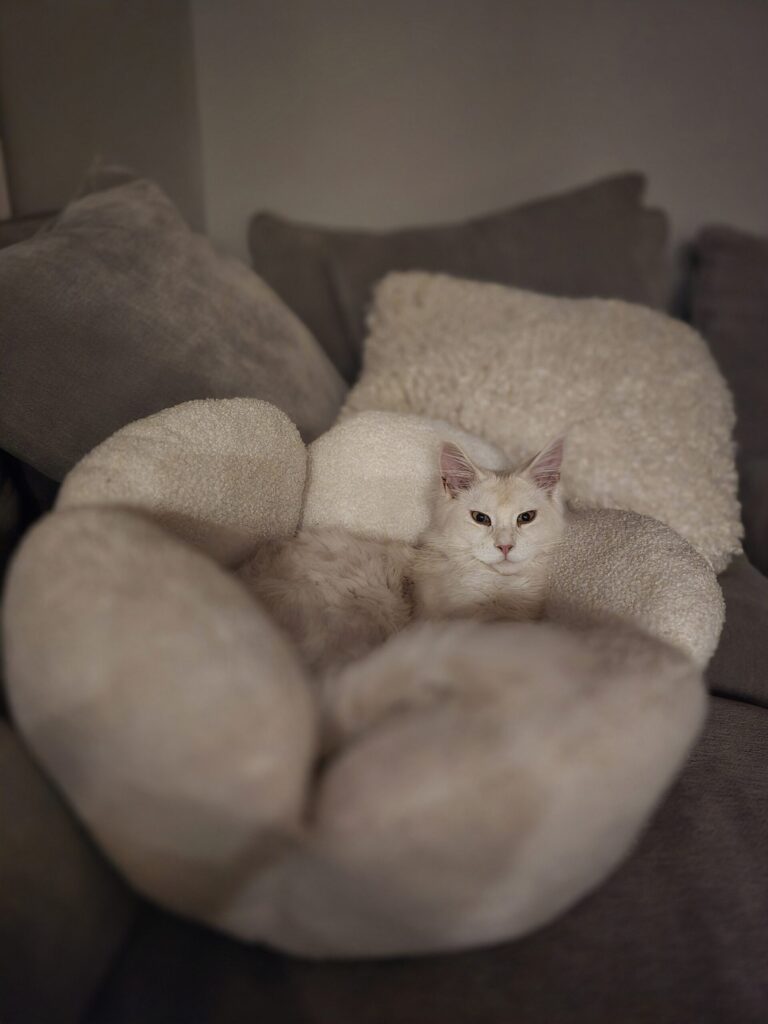
Living areas benefit from strategically placed cat furniture that allows cats to participate in family activity while maintaining escape routes. Elevated perches near seating areas satisfy cats’ desire to be near their humans while preserving independence. Consider sight lines and traffic flow. Cats prefer observation points where they can monitor entrances and exits, satisfying natural security instincts within busy family spaces.
Quiet Retreats: Essential Solitude Spaces
Every effective cat sanctuary needs quiet zones where cats can retreat when overwhelmed. These might be spare bedrooms, walk-in closets, or designated corners with minimal human traffic. Include comfortable bedding, easy access to water, and possibly a secondary litter location for cats who prefer privacy during elimination.
Kitchen and Dining: Elevated Solutions
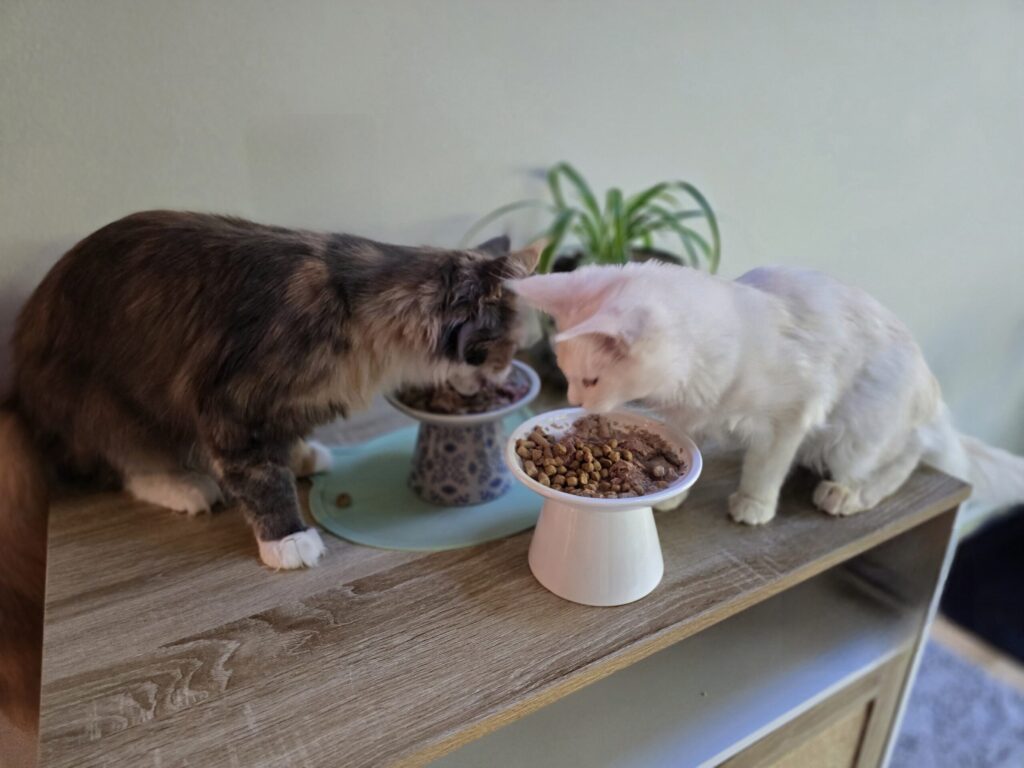
Elevated feeding stations separate from dog access prevent competition and honor cats’ preference for secure eating locations. Height advantages help cats feel safer while eating, reducing stress and promoting better digestion. Place feeding stations away from high-traffic areas where cats might feel vulnerable and consider multiple food and water locations to prevent resource guarding in multi-cat households.
Essential Cat Sanctuary Home Checklist
☐ Vertical territory with cat trees and climbing options at various heights
☐ Abundant natural light from strategically placed windows
☐ Quiet retreat spaces away from household activity
☐ Elevated feeding stations separate from dog access
☐ Non-toxic plants for safe sensory enrichment
☐ Multiple soft resting surfaces in different textures
☐ Secure anchoring of all tall furniture and cat trees
☐ Multiple litter locations for convenience and privacy
☐ Interactive toys and puzzle feeders for mental stimulation
☐ Escape routes from every area cats frequent
Luna's Take

"That sunny spot on the bonus room cat tree? That's my morning throne. The shoulder perch on London? That's my mobile observation deck. But my favorite discovery? The route from the couch to the bookshelf to the window ledge—it's like someone designed a highway just for me. More vertical options, please, and make sure they all lead to windows. A kitten has kingdoms to survey."
Building Your Perfect Cat Sanctuaries at Home
Creating truly effective cat sanctuaries at home isn’t about filling spaces with cat furniture, it’s about thoughtfully designing environments that honor feline instincts while supporting individual personalities. Through our journey with Luna’s kitten development and Penelope’s mature cat needs, I’ve discovered that successful cat sanctuaries observe and adapt to individual personalities rather than imposing universal solutions.
Every cat brings unique rhythms, preferences, and territorial needs to our households. Luna’s adventurous climbing and shoulder-riding bond with London, combined with Penelope’s dignified appreciation for sunny window spots, remind us that the most successful cat sanctuaries are built around understanding and accommodating these distinct personalities.
Start with observation. Watch where your cats naturally gravitate, what heights they prefer, when they seek solitude versus social interaction. Build from these insights, whether it’s adding vertical pathways where cats already like to climb or creating quiet retreats in areas they naturally choose for rest.
Remember, you’re not just designing cat furniture arrangements, you’re creating feline paradise spaces where every purr, stretch, and contented nap becomes part of the rhythm of home. With thoughtful planning, your cat sanctuaries at home can transform both your cats’ daily happiness and your family’s overall appreciation for feline grace and beauty.
Frequently Asked Questions
How much vertical space do cats really need in a home sanctuary?
Cats benefit from vertical territory that spans floor to ceiling. Aim for at least three distinct height levels (low, mid, high) with multiple options at each level. Even small apartments can provide adequate vertical space through wall-mounted shelves, tall cat trees, and strategic furniture arrangement.
Can I create effective cat sanctuaries in a small apartment?
Absolutely. Focus on vertical space rather than horizontal square footage. Wall-mounted shelves, tall cat trees, window perches, and multi-functional furniture maximize limited space. The key is creating vertical pathways and ensuring cats have access to windows for environmental enrichment.
What’s the minimum number of litter boxes for a cat sanctuary?
Follow the “n+1” rule: number of cats plus one. For Luna and Penelope, we maintain three litter boxes in different locations. This prevents resource guarding, provides privacy options, and ensures accessibility from different areas of our home.
How do I introduce a new cat to an established cat sanctuary?
Introduce gradually using a separate base camp room. Allow the new cat to establish confidence in one space before slowly expanding access. Provide duplicate resources (food, water, litter, perches) to prevent competition. Expect the territory hierarchy to shift as cats negotiate new arrangements.
Are cat sanctuaries necessary if my cat goes outdoors?
Yes. Even cats with outdoor access need well-designed indoor sanctuaries for safety, weather protection, and overnight security. Indoor sanctuaries provide consistent resources and safe retreat spaces that outdoor environments can’t guarantee.
At Joyfolk Pets, we believe wellness begins in the everyday moments we share with our animals.
Rooted in Nature. Made with Heart.