How Household Toxins Actually Affect Pets: Understanding Exposure and Risk

Why This Matters More Than We Realize
A clean home and a safe home are not the same thing. Understanding how household toxins affect pets starts with recognizing that dogs and cats experience our homes very differently than we do.
We scrub floors, wash bedding, freshen the air, and feel like we’re doing right by our pets. But dogs and cats experience those same spaces differently than we do. They’re closer to the ground. They groom themselves constantly. They breathe indoor air without leaving for eight hours a day.
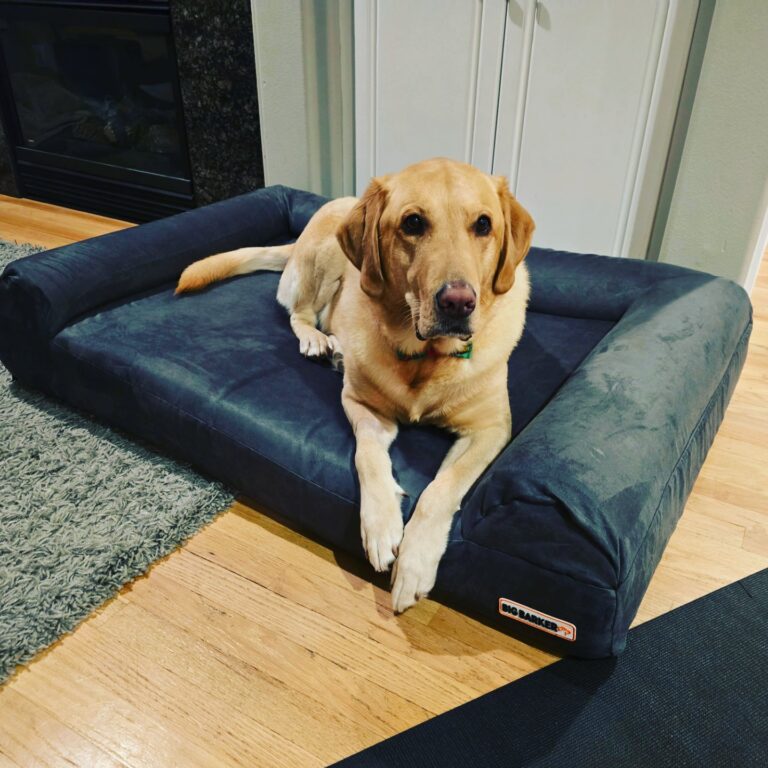
Living with Boomer, Penelope, and Luna has changed how I see our home. Not because I’ve become obsessive or fearful, but because I started paying attention to where they actually spend their time and what they’re touching, breathing, and absorbing while they’re there.
And while this awareness often starts with our animals, it rarely stops there. The same air our pets breathe, the same floors they lie on, and the same fabrics they sleep against are part of our environment too. When we reduce unnecessary chemical exposure for them, we often end up creating a healthier home for the humans who love them as well.
This is not about avoiding every chemical or creating a sterile environment. It’s about understanding how exposure actually works for pets, so we can make decisions that reduce unnecessary risk without losing our minds.
How Household Toxins Affect Pets Through Daily Exposure
When we think about toxins and pets, we often picture dramatic poisonings—a dog eating chocolate, a cat knocking over a cleaning bottle. Those matter, but they’re not the whole story.
The bigger, quieter issue is repeated low-level exposure.
It’s not one dangerous moment. It’s the accumulation of small, daily contact with residues, fragrances, and particles that most of us don’t think twice about.

The Four Pathways of Exposure
Pets encounter household chemicals through four main routes:
1. Surface Contact
Floors, rugs, furniture, bedding. Anywhere a pet walks, lies down, or rubs against becomes a point of contact. Residues from cleaning products don’t just disappear when they dry. They linger on surfaces pets touch all day.
2. Ingestion
Dogs and cats groom themselves. They lick their paws after walking across a freshly mopped floor. They chew toys that have been sitting on treated carpet. They drink from bowls that were washed with heavily fragranced dish soap. Grooming is not optional for them. It is constant.
3. Inhalation
Pets breathe the same indoor air we do, but they’re doing it continuously and closer to the ground where particles settle. Synthetic fragrances, volatile organic compounds (VOCs) released by cleaning products, and residue from air fresheners can build up in enclosed spaces. Cats are especially sensitive to airborne irritants.
4. Skin Absorption
Pet skin absorbs compounds just like ours does. Lying on freshly laundered bedding treated with fabric softener, walking on floors cleaned with chemical residues, or wearing collars treated with certain materials can all create opportunities for absorption through skin contact.
Why Repeated Exposure Compounds Over Time
One exposure is rarely the problem. The issue is repetition.
Pets have smaller bodies than humans, which means the same amount of a substance has a more concentrated effect. They also have faster metabolisms in some ways, which can intensify how quickly certain compounds circulate.
But the real factor is that pets don’t leave. They’re in the environment 24/7. If we use a floor cleaner twice a week, that’s residue they’re walking on, lying on, and licking off their paws repeatedly. If we run a plug-in air freshener in the living room, they’re breathing that air all day, every day.
The body can process and eliminate many substances in small amounts. But when exposure is constant and cumulative, the load increases. Over months and years, that can affect respiratory health, skin sensitivity, and long-term wellness in ways we don’t always connect back to household products.
What “Toxin Load” Means for Pet Health
Toxin load is the total amount of chemical exposure a body is managing at any given time.
Think of it like a bucket. A single exposure might add a small amount of water. The body processes it, and the bucket stays manageable. But when small amounts are added constantly from cleaning products, fragrance, plastic off-gassing, and treated fabrics, the bucket fills faster than it empties.
For pets, this can show up as:
- Chronic skin irritation or excessive licking
- Respiratory issues, coughing, or wheezing
- Digestive sensitivity or recurring upset
- Fatigue or low energy over time
- Increased allergic responses
These signs are rarely dramatic. They’re subtle and easy to attribute to other causes. But when we reduce household chemical exposure, many pet parents notice improvements they didn’t expect.
Why Cats Are Especially Vulnerable

Cats process certain chemicals differently than dogs or humans. They lack specific liver enzymes that help break down compounds found in essential oils, fragrances, and some cleaning agents. This makes them more sensitive to airborne and absorbed toxins.
Cats also groom more intensely than dogs, which increases ingestion risk. And because they often spend even more time indoors than dogs, their total exposure can be higher.
This doesn’t mean cats can’t live in normal homes. It means we need to be more thoughtful about what we use in their environment—especially fragrance, floor cleaners, and anything applied to surfaces they walk or rest on.
The Most Common Sources of Household Toxin Exposure for Pets
Not all products carry the same level of concern. Some contribute more to daily exposure than others.
Floor and Surface Cleaners
Floors are where pets live. They walk on them, lie on them, and lick their paws after crossing them. Conventional floor cleaners often contain ammonia, bleach, quaternary ammonium compounds (quats), or synthetic fragrances. These ingredients can leave residues behind.
Even products labeled “pet-safe” may contain undisclosed fragrance or antibacterial agents that aren’t necessary for routine cleaning.
Air Fresheners and Scented Products
Plug-ins, aerosol sprays, scented candles, and automatic dispensers are some of the highest contributors to indoor air pollution. Fragrance formulations are proprietary, meaning companies aren’t required to disclose what’s in them. Many contain phthalates, which are linked to endocrine disruption, and VOCs that accumulate in enclosed spaces.
Pets breathe this air constantly. If we can smell it, they’re inhaling it at much higher concentrations.
Laundry Detergents and Fabric Treatments
Detergents, fabric softeners, and dryer sheets cling to fabrics even after washing. Pets spend hours on bedding, blankets, and furniture that have been treated with these products. The residues transfer to their fur and skin, and they ingest them during grooming.
Heavily scented laundry products are a major, often overlooked source of repeated exposure.
Plastics in Pet Gear and Storage
Plastic bowls, toys, litter boxes, and food storage containers can leach chemicals over time, especially when scratched, heated, or exposed to sunlight. In lower-quality plastics, compounds such as bisphenol A (BPA), a common plastic additive, phthalates, and other plasticizers can migrate into food, water, or saliva.
This doesn’t mean all plastic is dangerous, but older or damaged plastic items are worth replacing with stainless steel, glass, or ceramic when possible.

Lawn and Garden Treatments
Fertilizers, pesticides, and weed killers applied to lawns or gardens create exposure risk when pets walk, roll, or dig in treated areas. Many of these products are absorbed through paw pads or ingested during grooming.
Even “pet-safe” lawn treatments should be used cautiously and according to reapplication timelines.
What “Low-Tox” Actually Means in Practice
Low-tox is not the same as zero-tox. It’s also not about perfection or fear.
A low-tox approach means reducing unnecessary chemical exposure where it is easy and practical to do so. It means choosing products that are gentler, more transparent, and less likely to leave problematic residues, while recognizing that we cannot control everything.
It does not mean:
- Avoiding all cleaning
- Never using any conventional products
- Creating a sterile or anxiety-driven environment
- Spending excessive money on specialty items
It does mean:
- Prioritizing the areas pets contact most
- Choosing fragrance-free or minimally scented products when possible
- Reading ingredient lists instead of trusting marketing claims
- Making incremental changes that fit your household
“Pet-Safe” Is Marketing, Not Regulation
There is no legal standard for what “pet-safe” means on a product label. It’s a marketing term, and it’s often used on products that still contain synthetic fragrance, undisclosed ingredients, or unnecessary additives.
Natural doesn’t automatically mean safe, either. Some plant-based ingredients can irritate pets or require careful use, especially around cats.
What matters more than labels is ingredient transparency. Products that list their full formulation, avoid undisclosed fragrance, and use minimal, multipurpose ingredients are usually a better choice.
How to Think About Risk Without Becoming Paralyzed
It’s easy to read about toxins and feel overwhelmed. The goal is not to eliminate every potential risk. That is neither possible nor helpful.
The goal is to reduce the cumulative load in areas where pets have the most repeated exposure.
Focus on High-Contact, High-Frequency Areas
Not everything in your home matters equally. Prioritize:
- Floors (walked on daily, licked during grooming)
- Air quality (breathed continuously)
- Bedding and fabric (slept on for hours)
- Food and water bowls (used multiple times per day)
These areas create the most consistent exposure. Small changes here have outsized impact.
Accept That “Good Enough” Is Actually Good
You don’t need to replace every cleaning product, throw out all plastic, or stop using anything with a scent. Reducing exposure by 50% is meaningful. Reducing it by 70% is even better.
But trying to reduce it by 100% is exhausting, expensive, and often impossible. A sustainable approach beats a perfect one every time.
Building a Healthier Home Environment Without Losing Your Mind
Once you understand how exposure works, the choices become clearer.
You’re not trying to create a toxin-free bubble. You’re trying to reduce unnecessary chemical contact in the places your pets spend the most time.
That might mean:
- Switching to a fragrance-free floor cleaner and using it as you normally would
- Opening windows more often instead of masking odors with air fresheners
- Washing pet bedding with a gentler detergent and an extra rinse cycle
- Replacing plastic food bowls with stainless steel when the old ones wear out
These aren’t dramatic changes. But over time, they lower the baseline chemical exposure your pets are managing daily.
And that’s worth something.
Frequently Asked Questions
The following questions address common concerns about how household toxins affect pets in everyday home environments.
How do household toxins actually affect dogs and cats?
Pets are exposed through surface contact, ingestion during grooming, inhalation of indoor air, and skin absorption. Repeated low-level exposure over time can contribute to respiratory issues, skin irritation, digestive sensitivity, and long-term wellness concerns.
What is toxin load and why does it matter for pets?
Toxin load refers to the total amount of chemical exposure a body is processing at any given time. Pets experience higher cumulative exposure because they spend more time at ground level, groom constantly, and live indoors continuously. Reducing this load supports long-term health.
Are cats more sensitive to household chemicals than dogs?
Yes. Cats lack certain liver enzymes that help break down compounds in fragrances, essential oils, and some cleaning agents. They also groom more intensely, which increases ingestion risk. This makes them particularly vulnerable to airborne and residue-based exposure.
What are the biggest sources of toxin exposure for pets in the home?
Floor cleaners, air fresheners, laundry products, and plastic pet gear are the most common contributors. These items create repeated, daily contact through surfaces pets walk on, air they breathe, and fabrics they rest on.
Does “pet-safe” on a label mean a product is non-toxic?
No. “Pet-safe” is a marketing term, not a regulated standard. Products labeled pet-safe can still contain synthetic fragrance, undisclosed ingredients, or unnecessary additives. Ingredient transparency matters more than marketing claims.
Is it possible to eliminate all toxins from my home?
No, and that’s not the goal. A low-tox approach focuses on reducing unnecessary exposure in high-contact areas rather than achieving perfection. Reducing cumulative load by 50-70% is meaningful and sustainable.
How do I know if my pet is being affected by household chemicals?
Signs can include chronic skin irritation, excessive licking, respiratory issues, recurring digestive upset, low energy, or increased allergic responses. These symptoms are often subtle and develop over time rather than appearing suddenly.
Where should I start if I want to reduce household toxins for my pets?
Start with floors, air quality, and laundry. These three areas create the most repeated exposure for pets and are relatively easy to address with fragrance-free cleaners, better ventilation, and gentler detergents.
Are natural or DIY cleaning products always safer for pets?
Not necessarily. Natural doesn’t automatically mean safe, and some plant-based ingredients require careful use around pets. What matters most is ingredient transparency, minimal formulations, and avoiding synthetic fragrance.
Can I still use scented products in a pet household?
You can, but reducing synthetic fragrance—especially in high-contact areas—is one of the most impactful changes you can make. If you use scented products, choose those with disclosed ingredients and use them sparingly in well-ventilated spaces.
Rooted in nature. Made with heart.