Reducing Household Toxins for Pets: What Actually Made a Difference in Our Home

A Practical Way to Approach Change
Understanding where toxin exposure comes from is one thing, especially when it comes to reducing household toxins for pets. Living with that awareness, without turning your home into a constant project, is another.
When I first started learning about household toxins for pets, I quickly realized that trying to change everything at once wasn’t just unrealistic, it was unsustainable. This post builds on ideas I explored more broadly in Clean Home, Healthy Pets: Understanding Toxins and Everyday Exposure where I looked at how everyday household exposures can affect the animals we live with.
Too many new habits at once leads to overwhelm and overwhelm usually sends us right back to old routines. So instead of overhauling my home overnight, I focused on small changes I could actually stick with, letting habits build slowly over time. Nothing here happened all at once. And that’s part of the point.
For me, that meant focusing first on a handful of high-contact areas. What I put on my hands, what was in the air, and what my pets ate and slept on, and letting everything else wait.
From Awareness to Action, One Habit at a Time
Reducing exposure isn’t about perfection. It’s about lowering the overall load our bodies, and our pets’ bodies, have to process every day.
That meant choosing changes that felt manageable. I didn’t replace everything. I didn’t aim for zero toxins. I paid attention to what I could realistically maintain, because consistency matters more than intensity.
When habits are layered gradually, they tend to last. When too many changes are piled on at once, even good intentions fall apart.
How I Decided What to Change First
Instead of asking “what’s the cleanest option,” I asked a simpler question.
What gets the most contact, most often?
That lens helped narrow things quickly. Floors, fabrics, air, hands, bowls, bedding. These are the places where exposure happens repeatedly, day after day, for both pets and people.
Pets don’t live in a separate world. They’re on our floors, on our furniture, near our faces, and often licking their paws or grooming themselves after interacting with the same surfaces we do. Focusing on shared spaces made more sense than chasing isolated fixes.
What’s on My Hands Ends Up on My Pets

This was one of the biggest shifts for me, and one I hadn’t thought much about at first.
What we put on our hands, skin, and bodies transfers easily. I handle pet food. I pet my animals. They lick me. They groom themselves. That means soaps, lotions, fragrances, and residues don’t just stay with us. The same awareness shows up in how I think about food and feeding as well, including what ends up in my pets’ bowls each day.
Gradually, I started changing what I used on my own body. Hand soaps. Lotions. Fragrance. Not because I was trying to be extreme, but because it was a high-contact area that affected everyone in the house.
This wasn’t just better for my pets. It was better for me too. Paying attention to what touched my own skin every day changed how I thought about exposure as something we were all sharing, not something I needed to separate.
Air, Cleaning, and Laundry: Reducing Household Toxins for Pets Through Daily Routines
Air was one of the areas I paid closer attention to early on, simply because it’s constant. We’re all breathing the same air all day long, pets included.
That meant removing synthetic air fresheners rather than masking smells, choosing lower-tox options when I still wanted the house to feel fresh, opening windows when I could, and using air filtration where it made sense for my home. I also added a few pet-friendly, air-purifying plants in the spaces my pets spend the most time. Nothing extreme, just small choices that improved the air we all share.
Cleaning and laundry followed a similar mindset. Instead of focusing on having the “perfect” products, I focused on how often and where I cleaned. Floors, bedding, blankets, and surfaces pets regularly touch matter more than areas they rarely interact with.
Washing pet blankets more frequently, using simple washable layers over beds and favorite spots, and choosing gentler detergents helped reduce what built up over time. These weren’t aesthetic upgrades. They were practical choices that made regular cleaning easier and more consistent.
I still wanted our home to feel clean and welcoming, not like we’d given up comfort in the name of doing everything perfectly. The goal was never to eliminate every exposure, just to reduce the ones that showed up every day.

When Budget Is a Constraint, Start With the Highest Impact Areas
Not everyone can invest in expensive vacuums, air filtration systems, or full home upgrades. I certainly didn’t do everything at once.
If budget is a concern, starting with high-contact, high-frequency areas gives the most return. What touches skin, paws, and food regularly matters more than what looks good on a shelf.
Budget also shaped how I approached cleaning. In some cases, making a simple DIY cleaner from basic ingredients felt more realistic than buying more expensive “less toxic” products. In others, it meant using what I already had and making changes gradually as things ran out. Reducing exposure doesn’t have to be expensive. It just has to be intentional.
Make one change. Let it stick. Add another when it makes sense.
Small Home Shifts That Added Up Over Time

Over time, I made small home-related adjustments that fit naturally into daily life.
Switching bowls to ceramic or stainless steel. Being more mindful of the cleaners used on floors and counters. Adding pet-friendly, air-purifying plants in shared spaces. Choosing rugs and fabrics with materials and washability in mind when it was time to replace them anyway. I also started storing treats in glass instead of plastic, not as a rule, but as another small way to reduce contact with materials my pets interact with daily.
None of these were urgent. None of them happened all at once. Together, they added up.
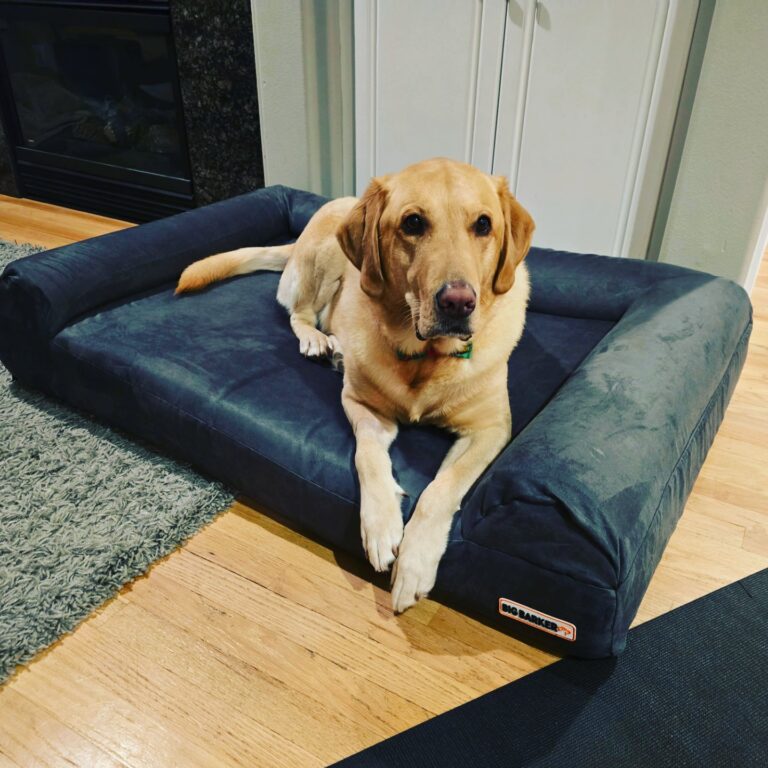
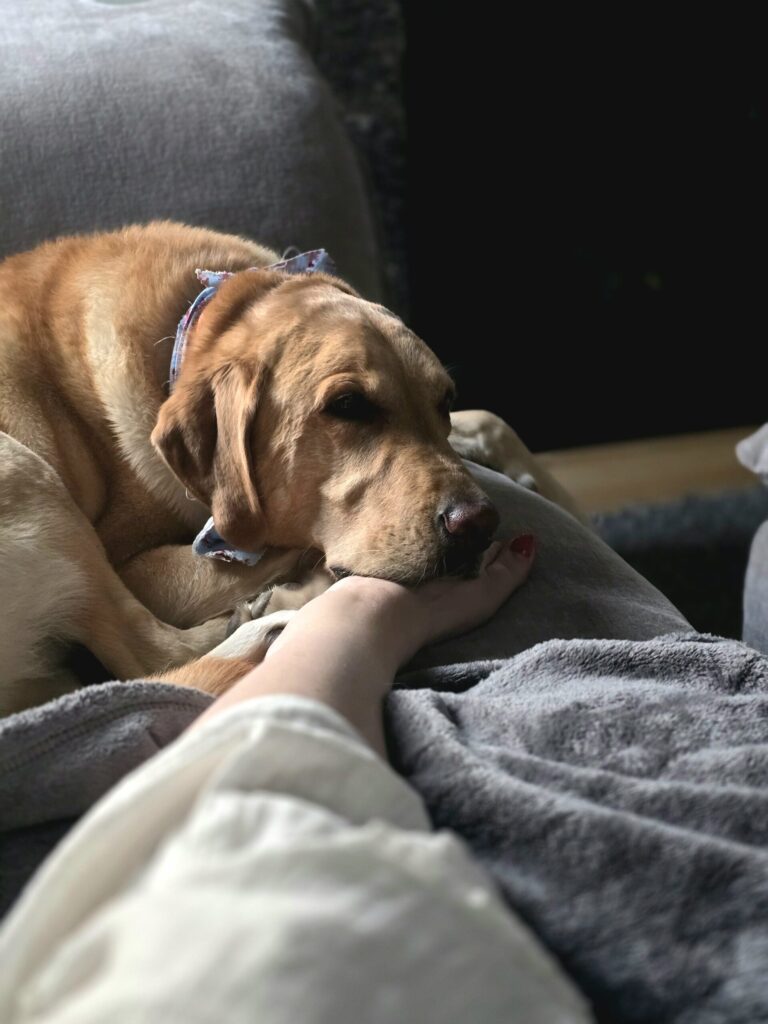
Over time, these choices made the house feel better to live in. Not just for Boomer, Penelope, and Luna, but for me too. Fewer irritants, fewer reactions, and less for everyone’s body to process.
Clean Living Without Extremes
This isn’t about being “green enough” or doing things perfectly. There’s no judgment here. Every home, budget, and season of life looks different.
For me, clean living became less about control and more about care. Reducing the overall load our bodies and our pets’ bodies need to fight, while still living comfortably and realistically.
Living well doesn’t require fear or rigidity. It just asks for thoughtful choices, made slowly, in ways that actually last.
A Note on Starting Where You Are
If you’re just beginning to think about household toxins and pets, you don’t need to do everything. You don’t need to copy someone else’s home.
Start with what feels doable. Build one habit. Let it settle. Then decide what comes next.
That’s how real change happens. Quietly, and over time.
Frequently Asked Questions
What are household toxins for pets?
Household toxins for pets are substances commonly found in homes that can contribute to ongoing exposure, such as certain cleaning products, air fresheners, laundry detergents, fragrances, and materials pets regularly come into contact with. Exposure often happens gradually through skin contact, inhalation, or grooming rather than through a single incident.
Do I need to remove everything in my home to reduce exposure?
No. Reducing household toxins for pets is not about removing everything at once or creating a “perfect” home. Small, thoughtful changes over time are often more effective and more sustainable than trying to overhaul your entire space.
Where should I start if I want to reduce household toxins for my pets?
Starting with high-contact areas tends to make the biggest difference. This includes what pets walk on, sleep on, eat from, and breathe in, as well as what you handle before touching them. Focusing on these areas first helps reduce exposure without becoming overwhelming.
Is reducing household toxins for pets expensive?
It doesn’t have to be. Some changes involve adjusting habits rather than buying new products, such as cleaning certain areas more frequently, choosing simpler ingredients when restocking, or using basic DIY alternatives. Many changes can be made gradually as items naturally need replacing.
Are DIY cleaners safe to use around pets?
Some simple DIY cleaners can be a practical option, but they aren’t automatically safer just because they’re homemade. Certain ingredients, including some essential oils, can be harmful to pets, especially cats. Before adding any new ingredient or recipe, it’s important to research how it may affect the animals in your home. When using DIY options, keeping formulas simple, limiting fragrances, and paying attention to ventilation and use areas can help reduce unnecessary exposure.
Does improving air quality really matter for pets?
Yes. Pets share the same air as the people in the home, often closer to the floor where particles can settle. Reducing synthetic air fresheners, increasing ventilation when possible, and being mindful of what’s released into the air can help lower everyday exposure for everyone.
How long does it take to see a difference after making changes?
Many changes are subtle and cumulative. Rather than looking for immediate results, it’s more realistic to think in terms of reducing the overall load your pets’ bodies have to process over time. Consistency matters more than speed.
At Joyfolk Pets, we believe wellness begins in the everyday moments we share with our animals.
Rooted in Nature. Made with Heart.