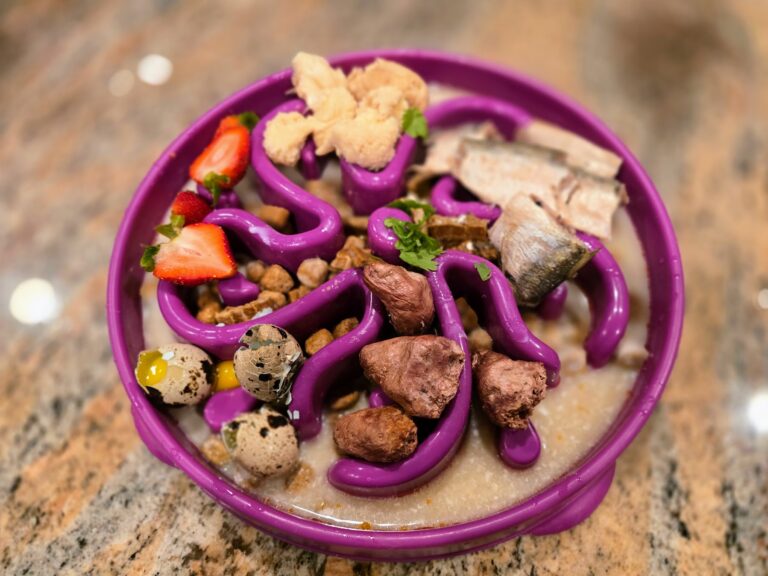
Shelf-Stable Cat Feeding: A Gentle Pantry Plan for Feline Wellness
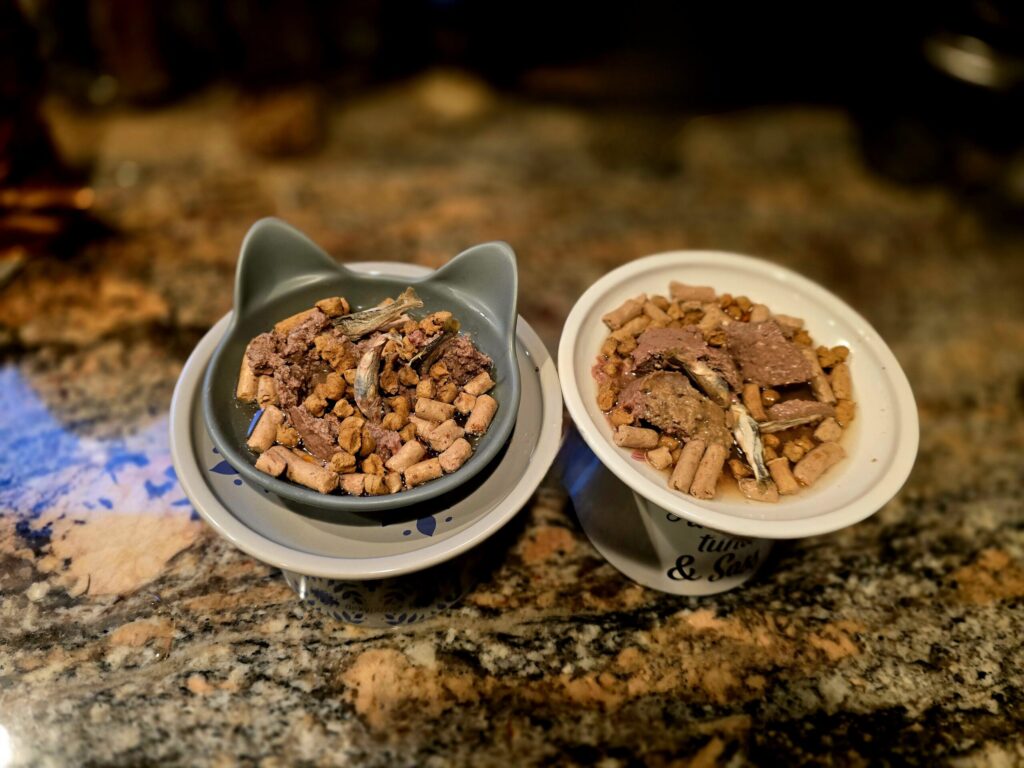
When Simple Becomes Sacred
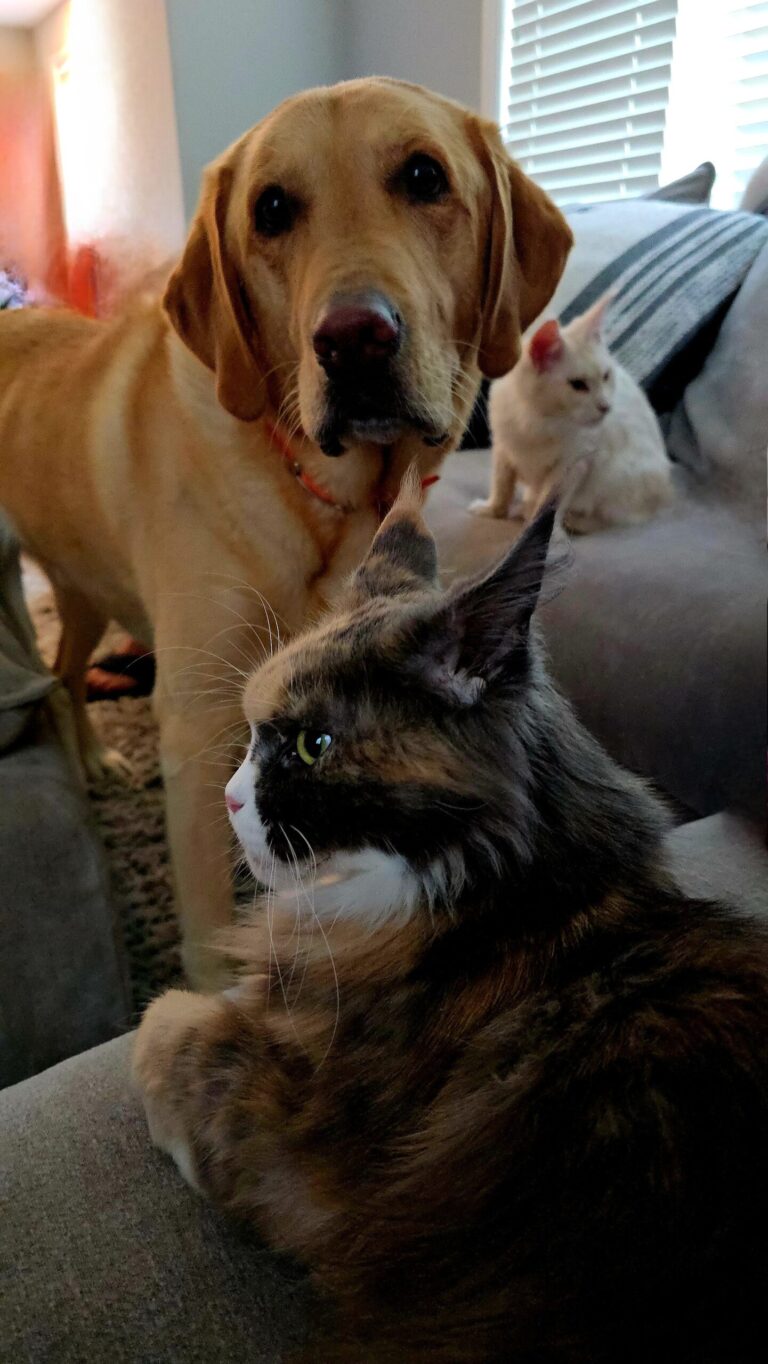
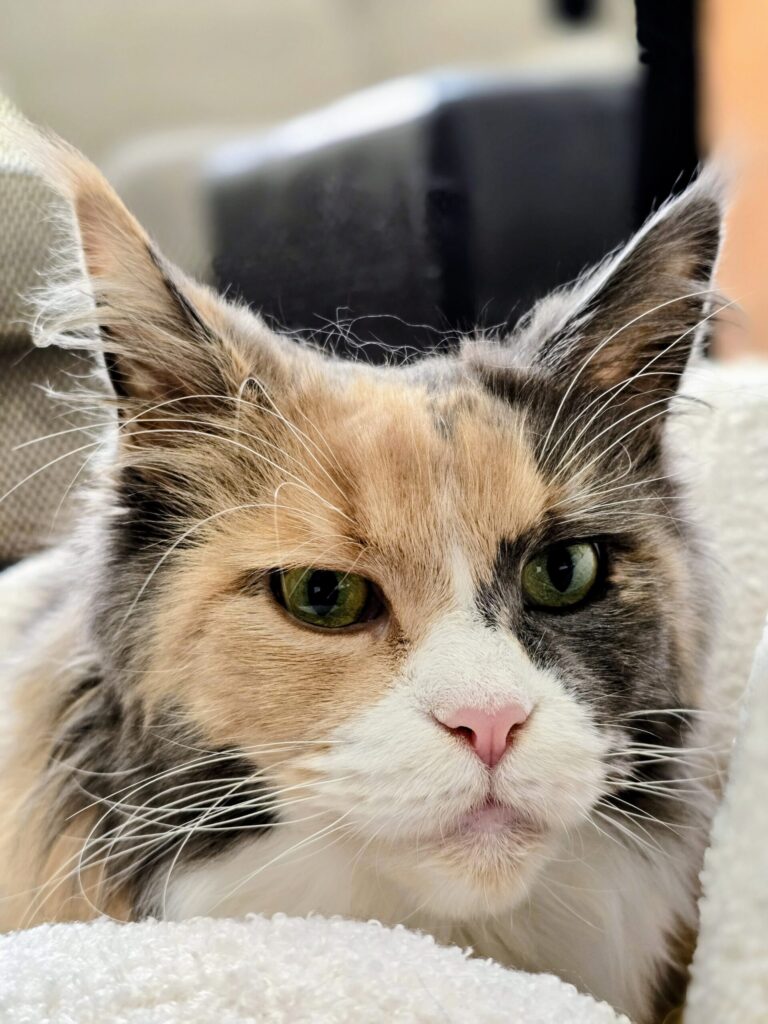
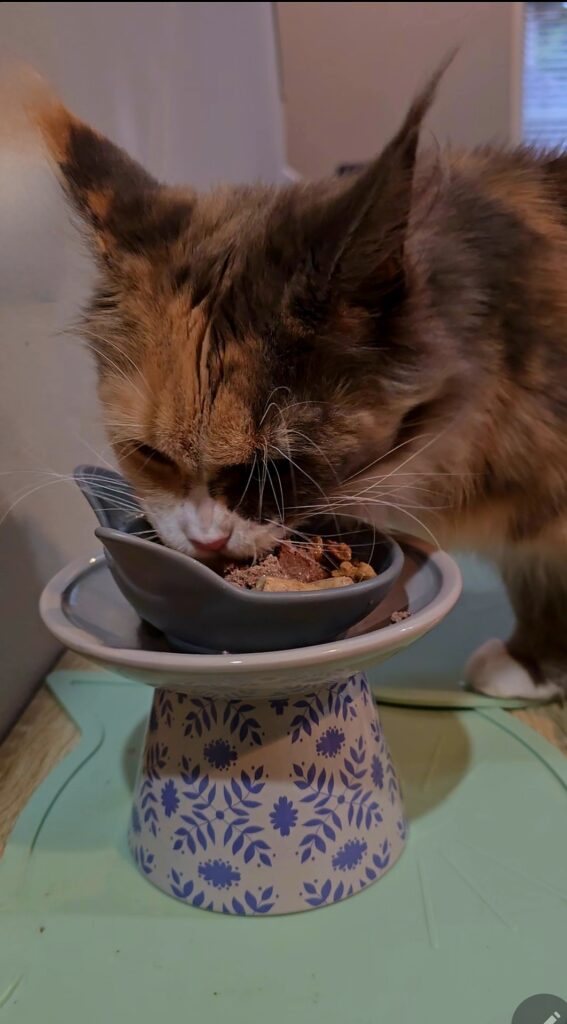
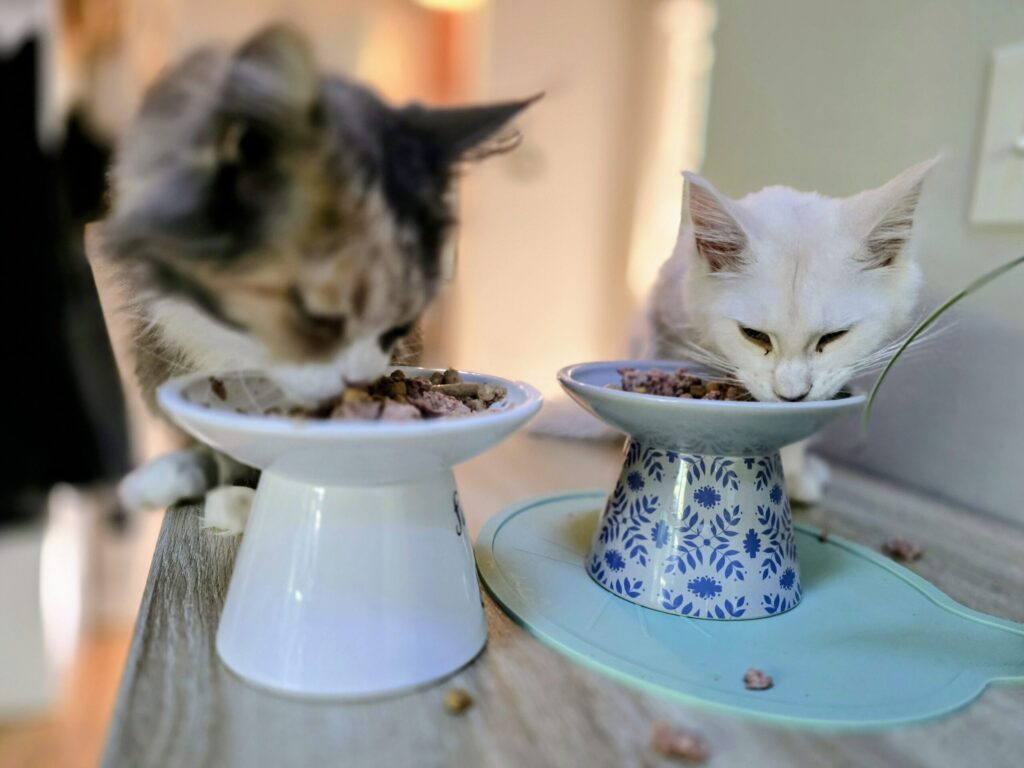
Shelf-stable cat feeding transformed our household when I realized that feeding my feline family doesn’t have to feel overwhelming or require defrosting raw patties at 6 a.m. In our home with two very different girls, Luna, my spunky kitten with a notoriously sensitive stomach, and Penelope, my gentle soul recovering from major dental surgery, finding a simple, nourishing routine became essential.
Furthermore, with Luna preparing to transition to college life with my son as his emotional support cat, I needed a shelf-stable cat feeding system that would work in a dorm setting without refrigeration dependency. Meanwhile, Penelope’s recent dental surgery required soft, easily digestible foods that could support her healing process.
What emerged was a pantry-friendly, rotational feeding plan built around whole food ingredients, gentle toppers, and thoughtful care that honors both their unique needs and my sanity. This shelf-stable cat feeding approach eliminates freezer stress while maintaining optimal nutrition for cats with different dietary requirements.
Additionally, veterinary research indicates that many cats don’t drink enough water daily, leading to chronic dehydration and urinary issues. Therefore, this shelf-stable cat feeding method prioritizes hydration support while providing complete nutrition through carefully selected pantry staples that keep both cats thriving on their own terms.
Understanding Shelf-Stable Cat Feeding Benefits
Shelf-stable cat feeding represents a thoughtful middle ground between convenience and optimal nutrition, offering numerous advantages for modern cat families:
- Zero freezer dependency – no more defrosting emergencies or spoiled raw food from power outages
- Simplified multi-pet management – easier to feed multiple cats with different dietary needs simultaneously
- Reduced food waste – longer shelf life means less spoilage and more economical feeding
- Enhanced digestive support – gentle on sensitive stomachs while maintaining nutritional integrity
- Ideal for recovery periods – perfect for cats healing from dental procedures or illness
- Travel-friendly nutrition – maintains feeding routines during trips or boarding situations
- Stress-free meal prep – eliminates daily food preparation anxiety for busy pet parents
- Better hydration support – easier to add moisture-rich elements to every meal
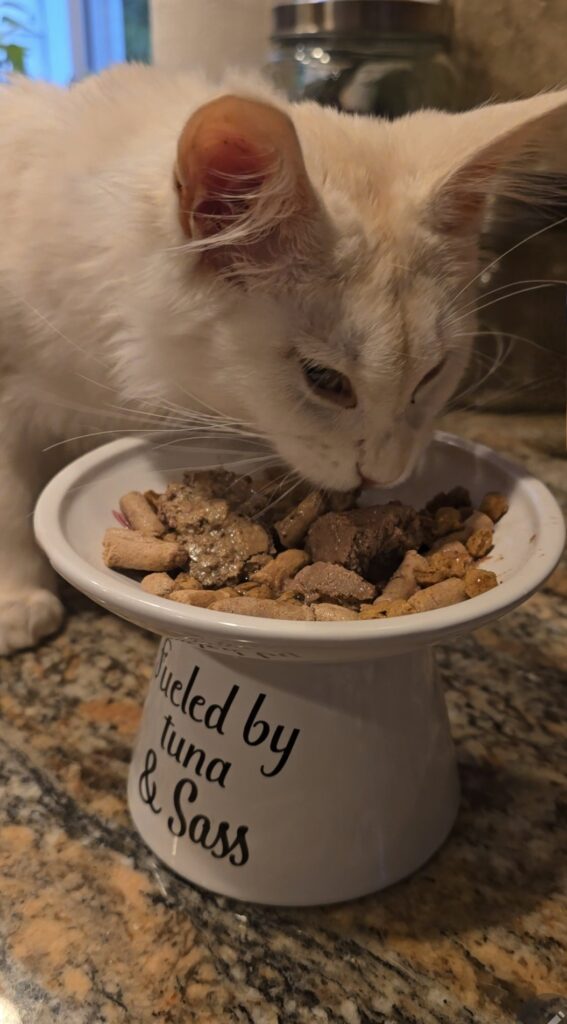
Research from the American Association of Feline Practitioners confirms that consistent feeding routines significantly reduce stress-related behaviors in cats. The key insight: shelf-stable doesn’t mean compromising on quality when thoughtfully selected and gently rotated.
Essential Pantry Staples for Shelf-Stable Cat Feeding
Building a successful shelf-stable cat feeding program starts with selecting high-quality base foods that provide complete nutrition while supporting hydration and digestive health:
Premium Wet Food Foundation:
- High-quality pâté varieties – moisture-rich formulations packed with nutrient-dense organ meats
- Shredded wet food options – includes liver, gizzard, and natural broth for enhanced nutrition
- Grain-free pâté selections – real meat as the first ingredient without unnecessary fillers
- Human-grade wet foods – exceptional palatability and ingredient transparency
- Raw-inspired wet food – convenient nutrition in shelf-stable format
Nutrient-Dense Air-Dried Options:
- Complete air-dried meals – lightweight, concentrated nutrition that rehydrates beautifully
- Air-dried food and toppers – perfect for portion control and variety
- Freeze-dried raw options – convenient raw nutrition without freezer requirements
- Single-protein freeze-dried nuggets – ideal for sensitive cats with food allergies
Hydration Enhancement Essentials:
- Low-sodium bone broth (shelf-stable pouches or freeze-dried portions)
- Freeze-dried goat milk – probiotics and natural enzymes for digestive support
- Pure water additions – always the simplest hydration booster
I rotate these formats daily for Luna and Penelope, serving everything with extra liquid added for optimal hydration support.
Always consult your veterinarian before making changes to your pet’s diet, especially if they’re a senior, a kitten or puppy, or have pre-existing health concerns.
Natural Toppers for Shelf-Stable Cat Feeding Success
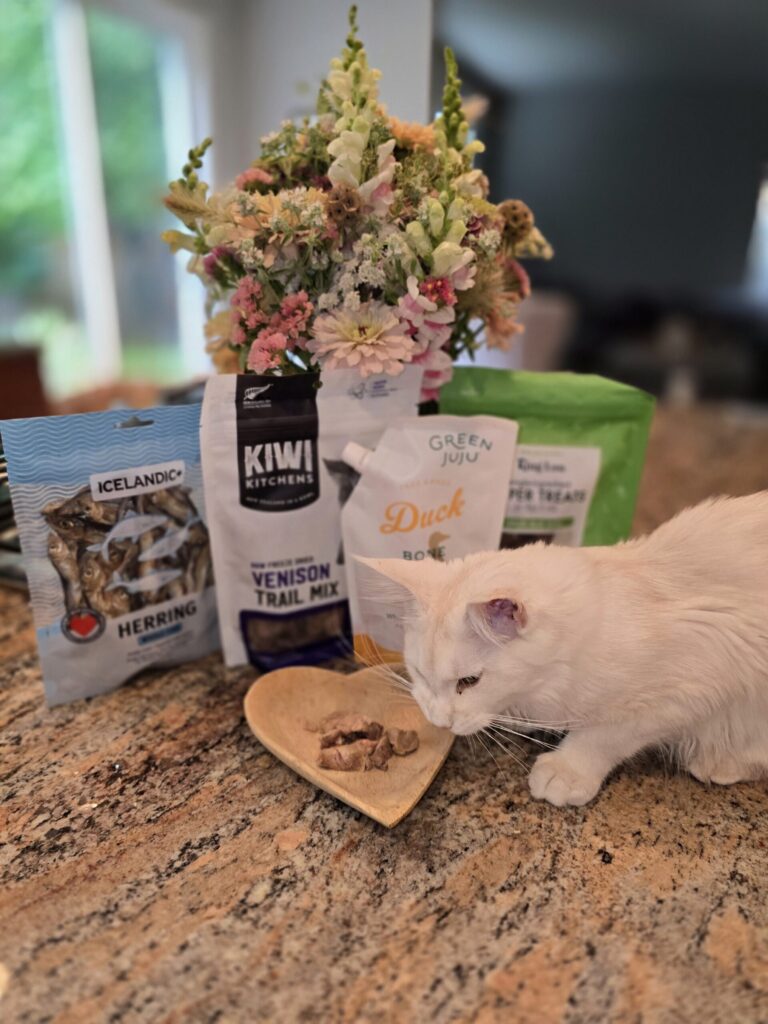
Small additions can dramatically enhance your cat’s nutritional intake without overwhelming their digestive systems. Here are the gentle, single-ingredient toppers that make shelf-stable cat feeding more effective:
Digestive Health & Hydration Support:
- Bone broth (homemade or high-quality commercial varieties) – collagen, minerals, and irresistible flavor
- Goat milk or kefir – natural probiotics and digestive enzymes
- Pure water – the simplest hydration boost that makes every meal more appealing
Essential Fatty Acids & Coat Support:
- Wild-caught fish oil – omega-3s for coat health, joint support, and cognitive function
- Krill oil specifically formulated for cats – supports skin health and reduces inflammation
- Small amounts of canned sardines in water – natural omega-3s with high palatability
Dental Health & Recovery Support:
- Kelp-based dental powder – natural minerals that support oral health (especially important for Penelope’s post-surgery care)
- Finely ground eggshell powder – bioavailable calcium for dental and bone health
- Collagen or other dental chews – gentle dental activity for cats who can safely chew
Feeding Cats with Special Dietary Needs Using Shelf-Stable Methods
Managing multiple cats with different health requirements taught me valuable lessons about individualized nutrition approaches within a shelf-stable cat feeding system:
For Sensitive Stomach Management (Luna’s Protocol)
Luna’s sensitive digestive system requires extra care, especially as she prepares for her transition to college life. For more details about her college journey and how shelf-stable cat feeding supports this major life change, see our article on bringing your cat to college as an emotional support animal.
- Introduce only one new topper per week – allows proper assessment of individual ingredient tolerance
- Monitor litter box consistency daily – digestive health shows up quickly in elimination patterns
- Start with smaller portions – kitten-sized servings prevent overwhelming immature digestive systems
- Choose easily digestible proteins – chicken and fish typically cause fewer sensitivities than beef or exotic proteins
- Maintain feeding schedule consistency – regular meal times support digestive rhythm and reduce stress
For Dental Recovery Support (Penelope’s Journey)
Penelope’s dental surgery experience taught me invaluable lessons about adapting shelf-stable cat feeding for recovery periods. For comprehensive information about her dental health journey and recovery process, read our detailed guide on what adopting Penelope taught me about cat dental health.
- Prioritize soft, easily chewable textures – pâtés and rehydrated air-dried foods work best
- Add extra liquid to every meal – promotes hydration while making food easier to consume
- Incorporate healing-supportive nutrients – bone broth provides collagen for tissue repair
- Avoid hard treats temporarily – protect healing surgical sites from unnecessary pressure
- Focus on highly palatable options – post-surgery appetite changes may require extra flavor encouragement
Creating a Sustainable Daily Shelf-Stable Cat Feeding Routine
Consistency combined with flexibility creates the most successful long-term feeding approach. Here’s the gentle rhythm that’s transformed our household:
Morning Meal Structure
- Base wet food portion appropriate for each cat’s size and activity level
- Hydration addition – bone broth, goat milk, or pure water
- Single rotating topper (rotated weekly to prevent over-supplementation)
- Daily supplements – fish oil and dental powder as needed
Evening Meal Approach
- Different wet food variety from morning to provide nutritional diversity
- Air-dried food component for textural interest and concentrated nutrition
- Hydration boost – always added regardless of format
- Optional enrichment topper – freeze-dried treats or small protein additions
Weekly Prep Strategies
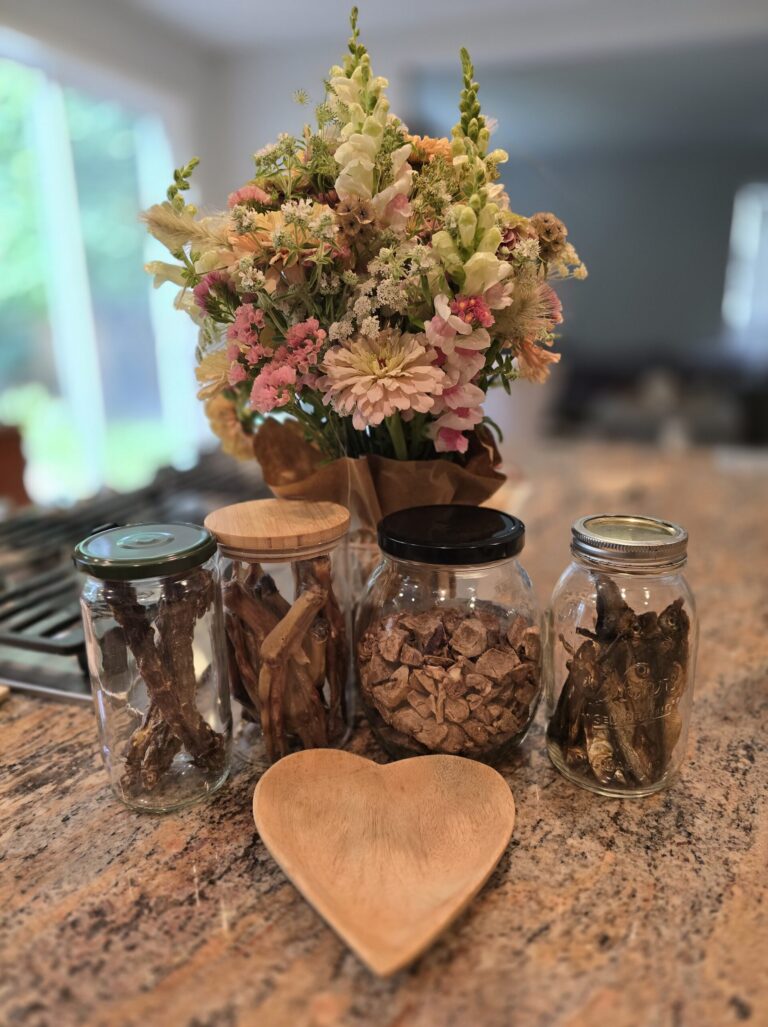
- Portion toppers into small glass jars – eliminates daily measuring and decision fatigue
- Rotate base food varieties – prevents dietary monotony while maintaining nutritional balance
- Track individual preferences – note what each cat gravitates toward most enthusiastically
This approach eliminates daily stress while ensuring both cats receive optimal nutrition tailored to their individual needs through shelf-stable cat feeding methods.
Health Benefits We’ve Observed from Shelf-Stable Cat Feeding
Since implementing this shelf-stable cat feeding approach, both Luna and Penelope have shown remarkable improvements across multiple health indicators:
Digestive Health Improvements
- More consistent litter box habits – better formed stools and regular elimination patterns
- Reduced digestive sensitivity episodes – fewer instances of upset stomach or food refusal
- Enhanced nutrient absorption – shinier coats and improved energy levels
- Better appetite regulation – natural hunger cues and appropriate portion consumption
Hydration and Urinary Health
- Increased daily water intake – more frequent urination indicating better hydration
- Reduced urinary concentration – lighter colored urine suggests optimal kidney function
- Prevention of urinary issues – no crystals or infections since implementing increased moisture
For more natural feeding strategies, explore our guide on how to build a balanced dog bowl, which applies similar whole-food principles. The Cornell Feline Health Center provides excellent resources supporting these hydration-focused feeding approaches.
Luna & Penelope's Take

Luna, "Okay, so Mom thinks this is all about 'gentle nutrition' and 'digestive support,' but really? It's about the bone broth. That magical liquid gold she adds to my bowl every morning. I don't know what's in it, but I'd probably do backflips for it if I weren't so dignified. Also, the freeze-dried chicken hearts are pretty fire."

Penelope, "After my dental surgery, I wasn't sure I'd ever enjoy food again. But Mom's soft, soupy meals with extra broth? They made eating feel good instead of scary. Now I actually purr when I see her prepping my bowl. The goat milk is my personal favorite—creamy, gentle, and it makes my tummy happy. Luna can keep her chicken hearts."
Safety Guidelines and Veterinary Collaboration for Shelf-Stable Cat Feeding
Responsible feeding requires understanding individual cat needs and maintaining open communication with your veterinary team:
Always consult your veterinarian before introducing new foods, especially for cats with health conditions. Choose age-appropriate textures and sizes. Kittens and senior cats have different chewing capabilities. Monitor individual reactions carefully. Some cats may have unique sensitivities or allergies.
Introduce changes gradually. Sudden dietary shifts can cause digestive upset even with healthy foods. Focus on hydration as priority. Cats have low thirst drives and benefit from moisture in every meal. Maintain appropriate portion control, even healthy foods can contribute to weight gain if overfed. Keep detailed feeding records to track successes and challenges for veterinary discussions.
A Gentle Approach That Works
Creating a nourishing, sustainable shelf-stable cat feeding routine for your cats doesn’t require elaborate meal prep, expensive equipment, or advanced nutritional expertise. What it does require is attention, intention, and a commitment to meeting your feline family’s individual needs with patience and love.
Through our journey with Luna’s sensitive stomach and Penelope’s dental recovery, I’ve learned that the most effective feeding approach is often the simplest one. A high-quality wet food base, thoughtful hydration support, gentle toppers, and consistent daily rhythms can transform both your cats’ health and your relationship with feeding time.
Start with just one small change, maybe adding a splash of cat friendly bone broth to tonight’s dinner or introducing a single new topper this week. Watch for these subtle signs of approval, the enthusiastic approach to the food bowl, the satisfied purring during meals, the contentment that follows a truly nourishing experience.
Finally, remember, shelf-stable cat feeding with heart doesn’t require perfection. It requires presence, observation, and the willingness to adapt as your cats’ needs evolve. Every meal is an opportunity to show love, support wellness, and create those quiet moments of connection that make sharing life with cats so deeply rewarding.
Here’s to simplified feeding, thriving cats, and the peace that comes from knowing you’re providing exactly what your feline family needs – one gentle, nourishing bowl at a time.
Frequently Asked Questions
Is shelf-stable cat feeding as nutritious as raw or fresh food?
Yes, when done thoughtfully with high-quality wet foods, air-dried options, and proper hydration support. Shelf-stable cat feeding eliminates freezer dependency while maintaining complete nutrition through premium ingredients and gentle toppers that support digestive health.
Can I feed my cat only dry kibble as shelf-stable food?
Dry kibble alone doesn’t provide adequate hydration for most cats. A shelf-stable cat feeding approach prioritizes moisture-rich wet foods, air-dried meals rehydrated with broth or water, and hydration toppers to prevent urinary issues and support kidney health.
How do I transition my cat to shelf-stable feeding?
Introduce changes gradually over 7-10 days. Start by mixing 25% new food with 75% current food, slowly increasing the ratio. Add one new topper per week, monitoring litter box consistency and appetite. Cats with sensitive stomachs like Luna may need slower transitions.
What’s the best way to add hydration to shelf-stable cat food?
Add bone broth, goat milk, or pure water to every meal. Start with small amounts (1-2 tablespoons) and increase based on your cat’s preference. Luna and Penelope both receive extra liquid with meals, supporting kidney function and preventing urinary issues.
Can shelf-stable cat feeding work for cats with dental issues?
Absolutely. Soft pâtés, rehydrated air-dried foods, and moisture-rich meals are ideal for cats recovering from dental surgery like Penelope. Add extra liquid to make food easier to consume and focus on highly palatable options that encourage eating during recovery.
How long can I safely store opened wet cat food?
Refrigerate opened wet food and use within 2-3 days. For dorm settings or limited refrigeration, choose single-serve pouches or small cans that your cat can finish in one meal. Air-dried and freeze-dried options stay fresh longer once opened if stored properly in airtight containers.
Want more cat feeding strategies? Explore our guides on bringing your cat to college for dorm-friendly nutrition and natural pet diet mistakes to avoid common feeding pitfalls.
At Joyfolk Pets, we believe wellness begins in the everyday moments we share with our animals.
Rooted in Nature. Made with Heart.