The Small Ways We Say “I Love You” to Our Pets: Everyday Care That Builds Trust and Connection
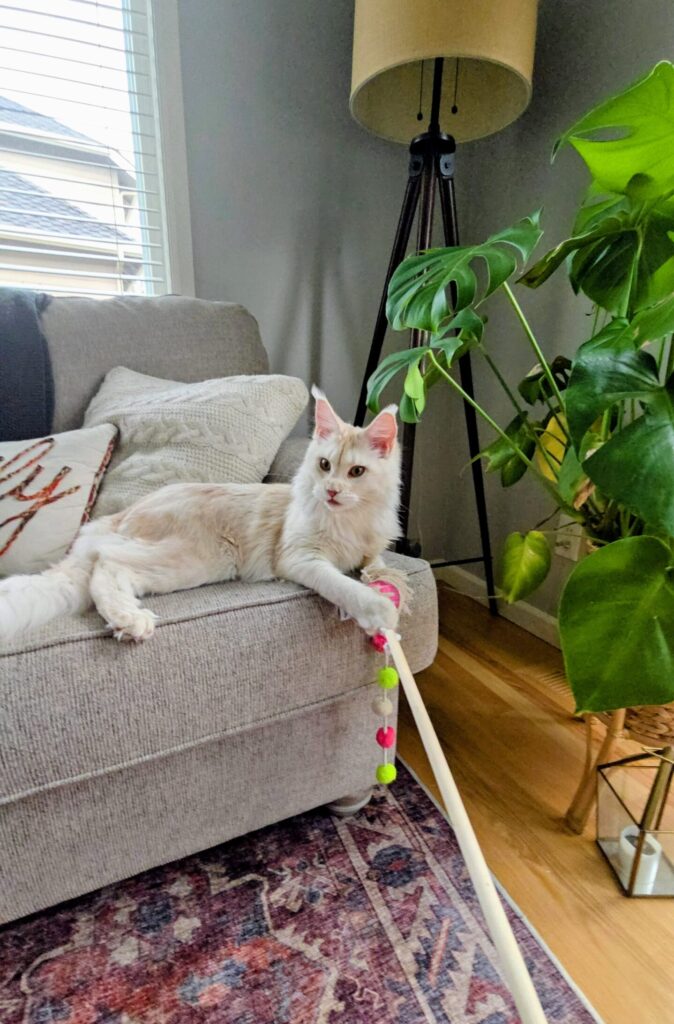
Many of the most meaningful ways to show love to your pet are small, everyday actions that shape how safe, connected, and supported they feel over time. Rather than grand gestures, these expressions of love tend to live inside familiar routines and quiet moments that often go unnoticed. This post explores those everyday choices and behaviors, and how they contribute to a strong, secure bond between pets and the people they live with.
They happen in the middle of ordinary days. A hand resting on a back as we pass through a room. Pausing what we’re doing when a presence appears beside us. Adjusting the pace of a walk. Making room on the bed. Choosing patience when it would be easier not to.
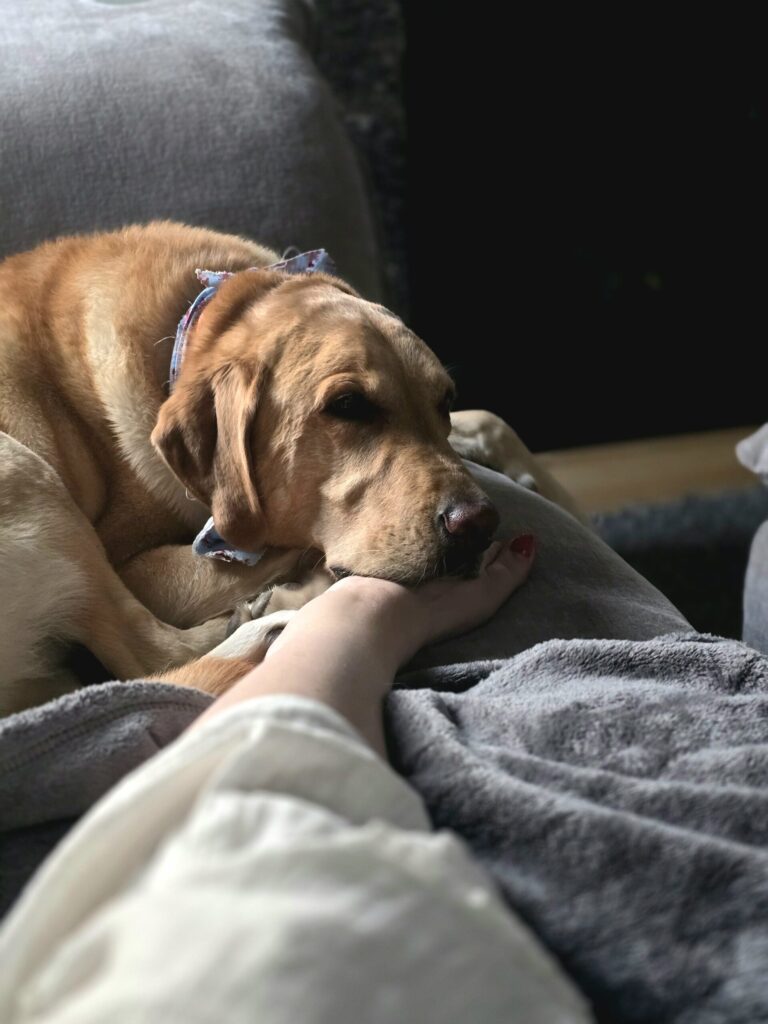
This morning, Boomer waited at the bottom of the stairs while I finished something at my desk. He wasn’t asking for anything. Just nearby. When I finally looked up and acknowledged him, his tail wagged once. Not with excitement, but with something quieter. Recognition. That small pause, that moment of being seen, was enough.
Living with animals reshapes how we understand love. Not as something dramatic or performative, but as something steady. Something built through repetition, attention, and care over time.
With Boomer, Penelope, and Luna, I’ve learned that the moments that matter most rarely announce themselves. They’re small. Easy to overlook. And yet, they’re the moments our pets organize their sense of safety and belonging around.
This is a reflection on those moments. Not the big gestures, but the everyday ways we say “I love you” to our pets without ever needing to say the words out loud.
Five Small Ways We Say “I Love You” to Our Pets
We pause and notice them
Stopping mid-task when a pet checks in. Making eye contact. Offering brief, intentional attention that says, I see you.
We choose care consistently
Regular vet visits, predictable routines, and preventive care that meet needs before they become problems.
We make time in real life
Short walks, quick play sessions, or quiet companionship woven into busy days — not saved for “when there’s more time.”
We teach with clarity and kindness
Clear cues, patient repetition, and guidance that reduces confusion instead of creating stress.
We show up when it’s uncomfortable
Staying steady during illness, recovery, vet visits, or disrupted routines — even when it’s hard.
Love Lives in the Moments We Pause

Some of the most meaningful expressions of love are the ones that interrupt us.
They show up in the middle of ordinary days. A dog appearing beside the desk. A cat settling close, already comfortable, already expecting to be included. They don’t ask for much. Just acknowledgement. A pause. A moment of attention that says, “I notice you.”
It’s easy to treat these moments as optional. Something to get to once the task is finished or the thought is complete. But over time, it becomes clear how much they matter, especially because they happen so often.
Boomer will wait patiently nearby, content to stay close until he’s acknowledged. Sometimes that looks like a hand resting on his head while I keep typing. Sometimes it means setting the laptop aside for thirty seconds to really look at him. The gesture matters more than the duration.
Penelope is openly affectionate, often choosing to sit near or lean in, comfortable with closeness and steady presence. When I’m reading, she’ll settle against my leg and stay there for an hour, asking for nothing except to be included. That proximity is her version of conversation.
Luna brings a different energy. She’ll appear with a toy, drop it nearby, and wait. Not demanding play, but offering it. Meeting her halfway, even for a few tosses, acknowledges the invitation.
The details vary, but the pattern is the same. Our pets are constantly checking in, not for entertainment, but for connection.
Responding to those moments teaches animals something important. That they don’t need to escalate behavior to be seen. That calm presence is enough. Over time, this builds trust, especially for animals who share space with us throughout the day.
This kind of love doesn’t require stopping everything. It requires noticing when connection is already being offered, and choosing to meet it instead of postponing it.
Love Is Built Into the Care We Choose Consistently
Not all expressions of love feel tender in the moment.
Some of the most meaningful care we give our pets happens quietly, often without any immediate reward. Scheduling routine veterinary visits when nothing seems wrong. Paying attention to small changes in appetite, energy, or behavior. Choosing training, structure, and safety measures that make daily life clearer and less stressful, even when they require extra effort.
This kind of care doesn’t always feel emotional. It feels practical. But over time, it shapes how safe our pets feel in our care.
When care is consistent rather than reactive, it teaches animals that their needs will be met before they become urgent. That they don’t have to signal distress loudly to be taken seriously.
This shows up in small, repeated choices. Brushing Penelope before matting becomes painful, not after she starts avoiding touch. Scheduling Boomer’s check-up when his mobility seems fine, so changes are caught early rather than waiting for obvious limping. Keeping Luna’s play routine predictable, so her energy has a regular outlet instead of spilling over unexpectedly.
This is especially important in shared households, where pets are navigating human schedules, noise, transitions, and expectations that weren’t designed with them in mind.
For Boomer, consistency looks like morning and evening walks, even when my schedule shifts. For Penelope, it’s feeding times that don’t vary by more than twenty minutes. For Luna, it’s knowing play happens after dinner, not randomly throughout the day.
With dogs, care often shows up through structure and predictability. With cats, it can be just as much about handling, environmental setup, and respecting signals before stress escalates. In both cases, care is not about control. It’s about creating conditions where trust can grow.
These choices accumulate. Over time, they communicate something essential to our pets: that they are not an afterthought, and that their well-being is woven into daily life.
Love Is Making Time in the Middle of Real Life

Love doesn’t always announce itself as free time.
More often, it shows up in the middle of busy days, layered into routines that already feel full. Walks squeezed in before work. Play between tasks. Training moments folded into everyday movement rather than set aside as a separate activity.
For dogs, this often looks like shared motion. Walks that aren’t just about exercise, but about being together.
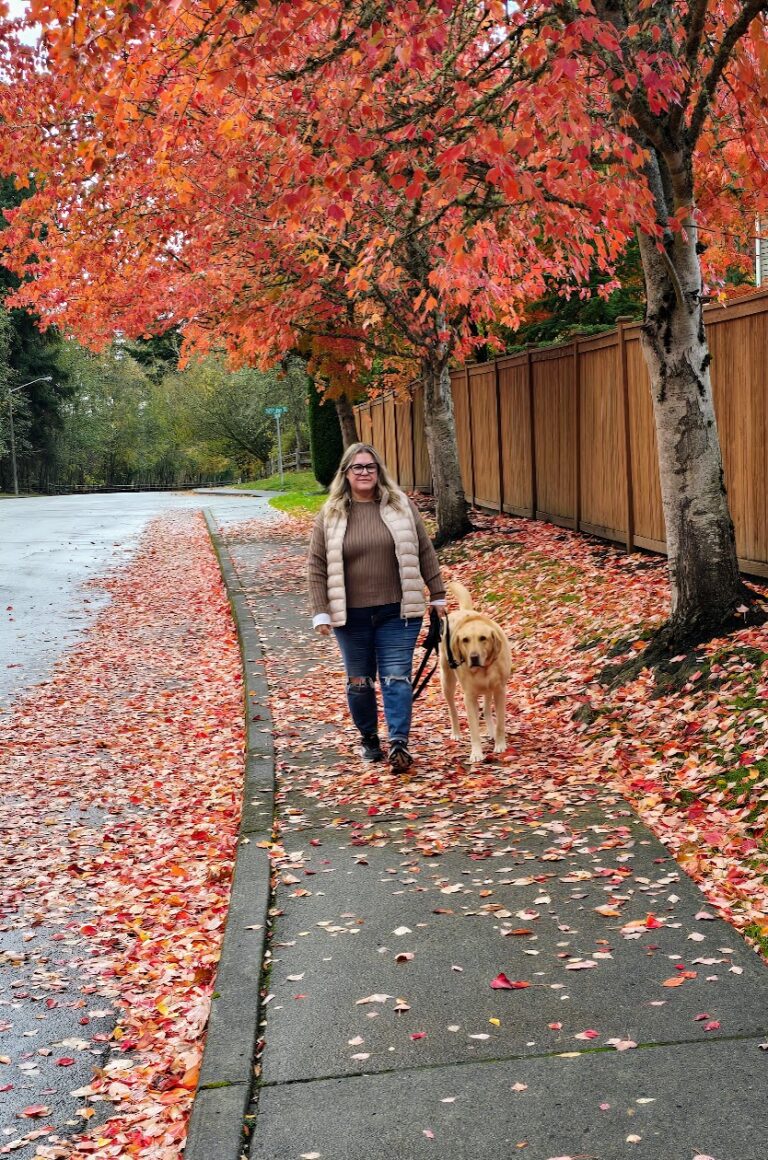
Some mornings, Boomer’s walk is fifteen minutes instead of thirty because that’s what the day allows. But those fifteen minutes are his. Not rushed. Not distracted. He gets to stop and sniff. I let him choose the first turn. That attention matters more than the mileage.
For cats, time together can look quieter, but it’s no less intentional. With Penelope, it’s often five minutes of brushing while I drink my coffee. With Luna, it’s a few rounds of chase-the-feather before I start work. Neither is elaborate. Both are consistent.
What matters most isn’t the amount of time, but how reliably it’s offered. Pets don’t measure love in hours. They measure it in knowing when connection is available and when it will return.
This is where routines become relational. When care and time are offered predictably, pets learn that connection isn’t something they have to compete for. It’s something they can trust.
Daily routines are one of the clearest ways pets experience love, which is something I explore more deeply in A Ritual of Care: 5 Daily Routines That Strengthen the Bond With Your Pet.
Love Is Teaching, Not Controlling
Teaching is one of the quietest forms of love, and one of the most misunderstood.
When we hear the word “training,” it’s easy to think about obedience or correction. But in practice, teaching is about helping our pets understand how to live alongside us with less confusion and less stress. Clear expectations. Predictable responses. Gentle guidance offered consistently over time.
For dogs, this often shows up through structure. With Boomer, that meant learning to wait at the door before going outside. Not for control, but because it gave him a clear cue that outside time was coming. Over time, he learned to settle calmly instead of bouncing with uncertainty.
For cats, teaching can be just as important, even if it looks different. With Penelope, it meant touching her paws regularly when she was calm, so nail trims didn’t become traumatic. With Luna, it’s been redirecting her to appropriate scratching surfaces consistently, so she doesn’t have to guess where she’s allowed.
Teaching is not about dominance. It’s about communication. When pets understand what’s expected of them, they don’t have to rely on anxiety or avoidance to cope.
Love, in this sense, is thoughtful. It meets animals where they are and helps them navigate the human world we’ve asked them to share.
Love Shows Up in the Uncomfortable Moments

Not all expressions of love feel good in the moment.
Some of them happen when routines are disrupted, when something feels off, or when our pets are anxious, unwell, or out of sorts. Vet visits. Recovery periods. Times when patience is tested and reassurance has to be offered repeatedly, without explanation.
After Boomer’s TPLO surgery, there were weeks when he couldn’t do what he wanted. He couldn’t run. He couldn’t jump on the bed. He had to be crated when I left. Every day meant managing his frustration while staying calm and consistent.
That steadiness, choosing patience when it would have been easier to feel overwhelmed, was as much an expression of love as any walk we’d taken before.
In moments like these, love often looks like staying regulated so they can borrow that calm. Slowing down when they’re overwhelmed. Sitting nearby simply because your presence helps.
These are not dramatic acts. They’re quiet ones. But they’re often the moments when trust is reinforced most deeply.
Why the Small Things Matter So Much
Pets do not measure love in grand gestures. They experience it through repetition and predictability.
The small choices we make every day shape how safe they feel over time. The pauses. The routines. The care we choose consistently. The way we respond when they reach out, and the way we show up when things are hard.
Taken alone, these moments don’t seem remarkable. But together, they form the structure of a relationship built on reliability, familiarity, and mutual understanding.
With Boomer, Penelope, and Luna, I’ve learned that they don’t need grand gestures to know they’re loved. They need me to show up. To notice. To stay consistent. To be present in the middle of ordinary life.
That’s where trust lives. That’s where love is built.
FAQs: Showing Love to Your Pet
How do I show love to my pet every day?
Showing love to your pet often comes down to consistency. Small daily actions like noticing them, keeping routines steady, making time for connection, and responding calmly when they check in build trust over time.
Do dogs and cats show love differently?
Yes. Dogs often show love through proximity, movement, and shared activity, while cats may express love through presence, routine, and choosing when to engage. Both rely on consistency and trust.
Why are routines important for pets?
Routines help pets feel safe. Predictable care, feeding times, and daily rhythms reduce stress and make it easier for pets to trust their environment and the people in it.
Is training a way to show love to your pet?
When done thoughtfully, training is a form of care. Clear communication and gentle guidance help pets understand expectations, which reduces anxiety and builds confidence.
How do I know if my pet feels loved?
Pets often show they feel secure through relaxed behavior, calm engagement, and regular check-ins. Over time, trust and comfort are the clearest signs of a strong bond.
At Joyfolk Pets, we believe wellness begins in the everyday moments we share with our animals.
Rooted in nature. Made with heart.