Can Dogs Eat Blueberries? Complete Safety Guide
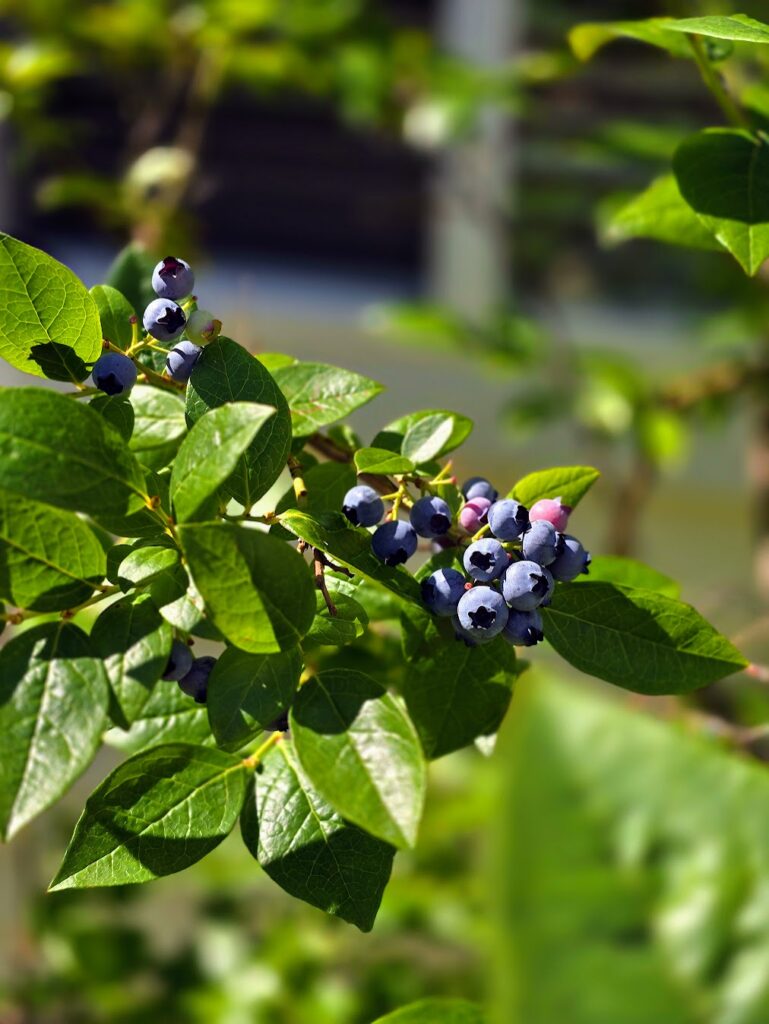
A Berry Sweet Discovery
Can dogs eat blueberries? This question crossed my mind this morning as I watched my yellow lab Boomer literally picking sun-warmed blueberries straight off our backyard bushes. I couldn’t help but smile at his natural instincts!
There he was, tail wagging with pure joy, helping himself to nature’s candy while I filled my colander. It was one of those simple, magical moments that reminded me why I love sharing life’s sweetest experiences with my four-legged family.
But watching Boomer’s berry-picking adventure got me wondering: are blueberries actually good for dogs? As someone who’s passionate about natural pet wellness, I knew I had to dig deeper. What I discovered will make you want to add these little blue powerhouses to your pup’s wellness routine!
Can Dogs Eat Blueberries Safely?
The short answer is yes! Fresh blueberries are completely safe for most dogs when offered in moderation. Unlike grapes or cherries, which can be toxic to our furry friends, blueberries are:
- Non-toxic and dog-friendly – no harmful compounds that could endanger your pet
- Low in natural sugars – making them suitable for diabetic dogs with veterinary approval
- Easy to digest – gentle on sensitive stomachs when introduced gradually
- Perfect for all life stages – from energetic puppies to senior dogs
- Pesticide-free when homegrown – like the ones Boomer and I harvest from our chemical-free garden
The key is moderation and proper introduction, especially for dogs with food sensitivities or those trying blueberries for the first time.

Blueberry Health Benefits for Dogs
These tiny blue gems pack impressive nutrition that answers why dogs can eat blueberries safely:
- Antioxidant powerhouses – help fight free radicals and support cellular health
- Vitamin C boost – strengthens immune system and promotes healthy skin and coat
- Vitamin K content – supports bone health and proper blood clotting
- Dietary fiber – aids digestion and promotes gut health
- Anti-inflammatory properties – particularly beneficial for senior dogs with joint concerns
- Low-calorie training treats – only 1 calorie per berry makes them perfect for reward-based training
- Cognitive support – studies suggest antioxidants may help maintain brain function in aging dogs
- Heart-healthy compounds – support cardiovascular wellness naturally
Studies from the American Kennel Club confirm that antioxidants support canine cognitive function.
How to Serve Blueberries to Dogs
Now that you know dogs can eat blueberries, here are my favorite serving methods:
- Fresh and raw – wash thoroughly and offer 2-3 berries for small dogs, 5-8 for larger breeds
- Frozen treats – perfect for hot summer days or teething puppies who need something cool to chew
- Training rewards – use individual berries as high-value, low-calorie training treats
- Food toppers – sprinkle a few over your dog’s regular meal for added nutrition and excitement
- Mashed into frozen treats – blend with plain yogurt or goat milk and freeze in silicone molds
- Mixed with other dog-safe fruits – combine with banana or apple for variety
The ASPCA Animal Poison Control lists blueberries as safe for dogs.
Pro tip: Start with just 1-2 berries to test your dog’s tolerance, then gradually increase based on their size and reaction.
Always consult your veterinarian before making changes to your pet’s diet, especially if they’re a senior, a kitten or puppy, or have pre-existing health concerns.
Homemade Blueberry Dog Treat Recipes

Transform your fresh blueberries into tail-wagging homemade treats:
- Frozen Blueberry Yogurt Bites – blend blueberries with plain Greek yogurt, freeze in ice cube trays or a lick mat (or two)
- No-Bake Energy Balls – mix mashed blueberries with oats, peanut butter, and a touch of honey
- Blueberry Banana Cookies – combine mashed banana, blueberries, and egg, then bake until firm
- Summer Smoothie Pops – blend blueberries with coconut water and freeze in popsicle molds
- Dehydrated Blueberry Chips – use a food dehydrator for a chewy, concentrated treat
- Blueberry Goat Milk Cubes – perfect for dogs who love creamy textures with fruity sweetness
For more natural feeding ideas, check out our guide on building balanced bowls for dogs.
Potential Risks and Precautions
While blueberries are generally safe, responsible pet parents should be aware of these considerations:
- Portion control is essential – too many can cause digestive upset or diarrhea
- Watch for allergic reactions – rare but possible, especially in dogs with fruit sensitivities
- Choking hazard for tiny dogs – consider mashing berries for very small breeds
- Sugar content concerns – diabetic dogs should only have blueberries with veterinary approval
- Pesticide residue on store-bought berries – always wash thoroughly or choose organic options
- Individual digestive tolerance – some dogs may be more sensitive than others
Red flags to watch for: vomiting, diarrhea, excessive drooling, or changes in appetite after introducing blueberries.
Blueberries for Cats: What Pet Parents Should Know
While this article focuses on dogs, many households have both cats and dogs. Here’s what you need to know about felines and blueberries:
- Technically safe in tiny amounts – but cats derive minimal nutritional benefit from fruit
- Not recommended as regular treats – cats are obligate carnivores with different dietary needs
- May cause digestive upset – feline systems aren’t designed to process fruit efficiently
- Better alternatives exist – stick to meat-based treats that align with their natural diet
- If offering at all – limit to one berry occasionally and monitor for any adverse reactions
Creating Meaningful Rituals with Your Pet
Watch Boomer discover he can pick his own blueberries! This sweet moment perfectly captures the magic of letting our pets explore nature safely.
That morning with Boomer taught me something beautiful about slowing down and sharing simple moments. Foraging together became an unexpected bonding ritual that engaged his senses while filling my heart.
Consider creating your own backyard wellness rituals:
- Garden exploration time – let your dog safely investigate pet-friendly plants and herbs
- Seasonal fruit picking – share the joy of harvesting fresh, natural treats together
- Mindful feeding moments – turn treat time into a connection opportunity rather than just nutrition
- Nature-based enrichment – use natural foods like blueberries for mental stimulation games
- Photography moments – capture these sweet interactions to remember the simple joys
Boomer's Take

"Okay, so here's the thing about blueberries, they're nature's perfect snack. Mom thinks she's the one picking them, but really, I'm just letting her have the ones I don't want yet. The sun-warmed ones right off the bush? Chef's kiss. The frozen ones on hot days? Also amazing. The only problem is Mom keeps saying 'moderation,' which I'm pretty sure means 'eat them all before she counts them.' Worth it.*
Sweet Moments, One Berry at a Time
Watching Boomer pick blueberries straight from our bushes reminded me that the sweetest moments in life often happen unexpectedly. So can dogs eat blueberries? Absolutely! These little blue gems aren’t just delicious treats – they’re opportunities for connection, wellness, and pure joy.
Whether you’re growing your own berries or picking them up from the farmers market, blueberries offer a wonderful way to add natural nutrition and happiness to your dog’s routine. Start small, observe your pup’s reaction, and most importantly, savor these simple moments together.
Ready to create your own blueberry memories? Grab a colander, head to your nearest berry patch (or grocery store!), and watch your dog’s tail wag with pure delight. After all, life’s sweetest treasures are meant to be shared, one berry at a time.
Frequently Asked Questions
Can dogs eat blueberries every day?
Yes, dogs can eat blueberries daily in appropriate portions. Offer 2-3 berries for small dogs and 5-10 for larger breeds as part of the 10% treat rule. Monitor stool consistency and energy levels to ensure your dog tolerates them well.
Are frozen blueberries safe for dogs?
Frozen blueberries are completely safe and make excellent summer treats or teething relief for puppies. They offer the same nutritional benefits as fresh berries while providing cooling comfort.
Can puppies eat blueberries?
Yes, puppies can eat blueberries starting around 8-10 weeks old. Begin with just 1-2 mashed or halved berries to prevent choking and test tolerance. Blueberries make ideal low-calorie training treats for young dogs.
How many blueberries can a dog eat at once?
Follow the 10% treat rule: blueberries shouldn’t exceed 10% of your dog’s daily caloric intake. For a 50-pound dog, that’s roughly 8-10 berries. For a 10-pound dog, limit to 2-3 berries.
Can diabetic dogs eat blueberries?
Diabetic dogs can eat blueberries in very limited quantities with veterinary approval. While lower in sugar than many fruits, blueberries still contain natural sugars that can affect blood glucose levels.
Want more natural treat ideas for your dog? Explore our guides on building balanced dog bowls and wholesome homemade treats for tail-wagging wellness.
At Joyfolk Pets, we believe wellness begins in the everyday moments we share with our animals.
Rooted in Nature. Made with Heart.