Cat Dental Health: What Adopting Penelope Taught Me

A Wake-Up Call About Cat Dental Health
Here’s a truth about cat dental health that hit me hard. Bad breath in cats isn’t just “normal pet smell” it can be a sign of serious dental disease that affects their entire body. When I adopted Penelope, a gentle 4-year-old Maine Coon, I thought I was bringing home a perfectly healthy retired breeding cat with a calm, queenly spirit.
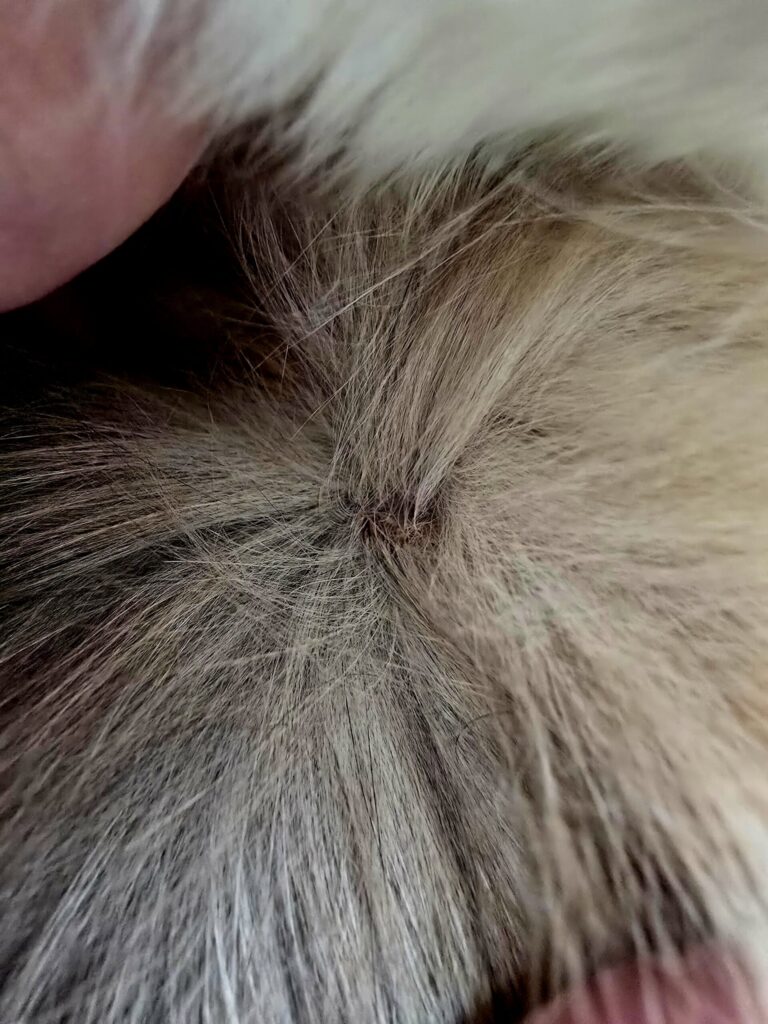
But just two weeks into our life together, I noticed something alarming that would teach me everything about cat dental health. Her breath had a distinctly foul odor, she drooled constantly, and the fur on her neck was irritated from persistent saliva. My heart immediately sank, the bad breath was the exact same warning signs I’d witnessed in my beloved dog Maggie before her kidney failure diagnosis.
Veterinary professionals consistently report that dental disease is one of the most common health issues in cats, with many pet parents missing the early symptoms until the condition becomes severe. Understanding cat dental health isn’t just about keeping teeth clean, it’s about protecting overall wellness and quality of life.
Importantly, dental disease can both cause and indicate serious health problems. Untreated dental infections can spread bacteria to the heart, kidneys, and liver, while persistent bad breath and oral symptoms may also signal underlying conditions like diabetes or kidney disease that require immediate veterinary attention.
What unfolded next was a journey through emergency dental surgery, recovery challenges, and the development of a preventive care routine that’s transformed not just Penelope’s oral health, but my entire understanding of cat dental health management.
Early Warning Signs of Cat Dental Health Problems
Learning to recognize cat dental health symptoms can literally save your cat’s life. Here are the red flags I wish I’d known to watch for earlier:
Obvious Physical Symptoms:
- Persistent bad breath (halitosis) – goes beyond typical “cat breath” to genuinely offensive odors
- Excessive drooling or saliva production – especially if it’s new behavior or accompanied by blood
- Red, swollen, or bleeding gums – healthy gums should be pink and firm, not inflamed
- Yellow or brown tartar buildup – visible plaque accumulation along the gum line
- Loose or missing teeth – may indicate advanced periodontal disease
- Facial swelling or asymmetry – could signal abscesses or more serious conditions
Behavioral Changes to Monitor:
- Difficulty eating or chewing – favoring one side of the mouth or eating more slowly
- Pawing at the face or mouth – indicating pain or discomfort
- Reluctance to eat hard food – sudden preference for only soft textures
- Changes in grooming habits – less self-grooming due to mouth pain
- Increased irritability or hiding – pain responses that affect personality
- Head shaking or tilting – attempts to relieve oral discomfort
Secondary Health Effects:
- Skin irritation around the neck and chest – from constant drooling like Penelope experienced
- Weight loss or poor appetite – pain makes eating unpleasant
- Lethargy or decreased activity – chronic pain affects overall energy levels
- Changes in vocalization – reluctance to meow or purr due to discomfort
The key lesson: these symptoms often develop gradually, making them easy to dismiss as normal aging or personality quirks until they become severe.
Understanding Cat Dental Health Disease Progression
Cat dental health issues typically follow a predictable pattern that becomes increasingly serious without intervention. Dental disease generally progresses through several stages:
Stage 1: Gingivitis – Mild gum inflammation that’s reversible with proper treatment. Often asymptomatic, making it the most effective prevention window.
Stage 2: Early Periodontal Disease – Gum recession and deeper pockets begin. Some irreversible damage starts, and professional intervention becomes necessary.
Stage 3: Moderate Periodontal Disease – Significant tissue and bone loss affects tooth stability. Bacterial spread to bloodstream begins affecting organs. Noticeable pain and dysfunction become obvious.
Stage 4: Severe Periodontal Disease – Extensive bone loss, tooth mobility, and systemic health complications. Emergency intervention required to prevent life-threatening complications.
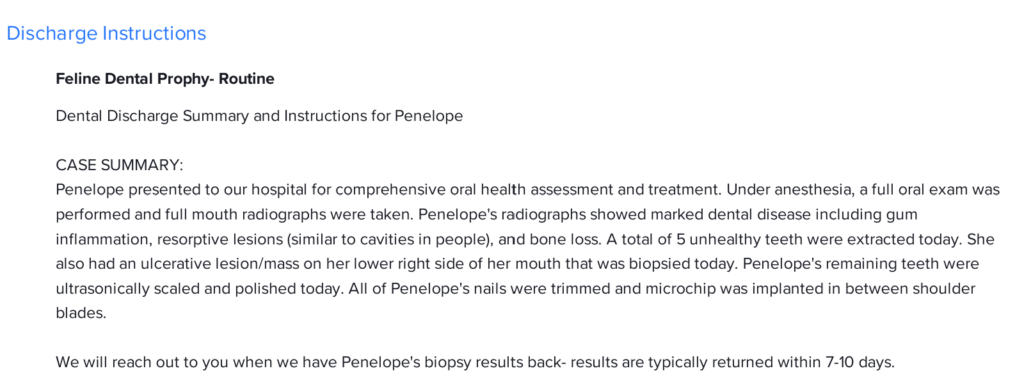
Penelope’s case fell somewhere between stages 2 and 3, requiring immediate extraction of five severely affected teeth while others had already resorbed completely.
The Dental Surgery Experience: What to Expect
Facing dental surgery for your cat can feel overwhelming, but understanding the process helps reduce anxiety for both you and your feline family member.
Penelope’s Surgery Reality
During Penelope’s procedure, the vet discovered she needed five teeth extracted due to severe damage. Even more concerning, several other teeth had already undergone resorption, which is a painful condition where the tooth structure breaks down from the inside. The Cornell Feline Health Center explains that tooth resorption affects cats and can be extremely painful, even when not visible to pet parents.
The vet also biopsied suspicious swollen tissue, and I’ll admit, I feared the worst after losing our previous cat Marley to suspected larynx cancer. Thankfully, the biopsy came back negative, but that anxious wait reminded me how important early dental intervention can be for catching problems before they become life-threatening.
Post-Surgery Recovery
- Pain medication protocols – multimodal approach manages discomfort effectively
- Soft food dietary restrictions – allows healing while maintaining nutrition
- Activity limitations – prevents disruption of surgical sites during initial healing
- Follow-up appointment scheduling – ensures proper healing and identifies any complications
- Long-term care planning – strategies to protect remaining teeth and prevent future disease
Penelope’s resilience amazed me. Despite undergoing major surgery just two weeks after joining our family, in a house with an unfamiliar dog and new kitten, she remained trusting, affectionate, and engaged throughout her recovery.
Recovery Nutrition and Cat Dental Health Support
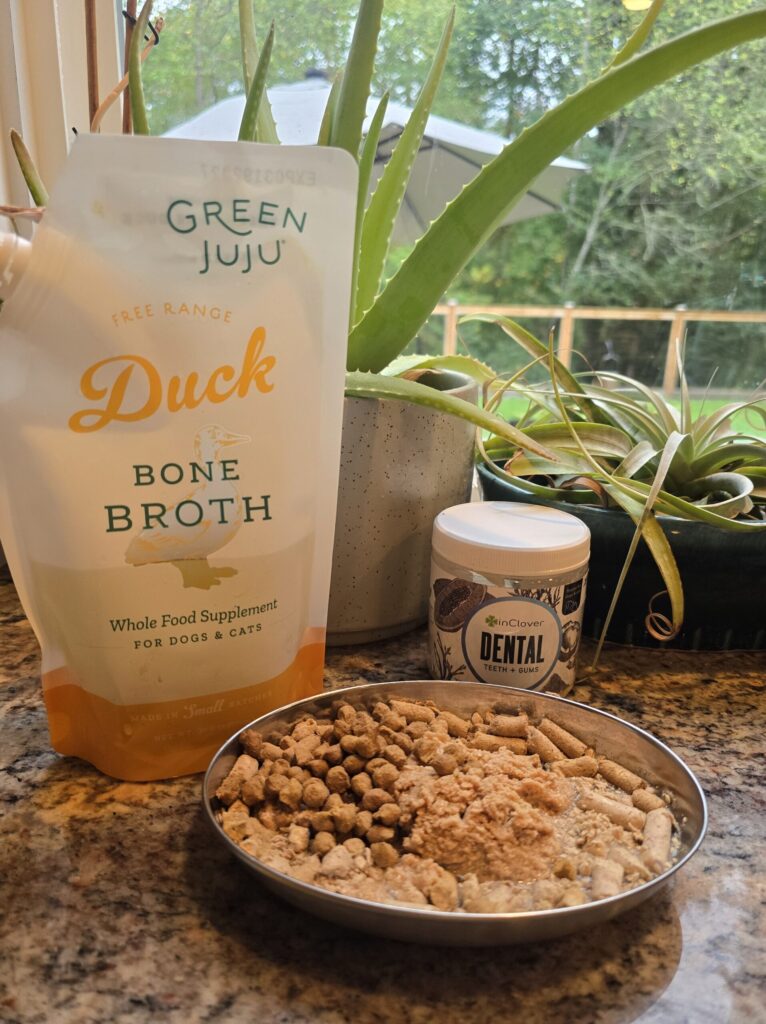
Proper nutrition during dental recovery significantly impacts healing speed and success. Here’s the approach that worked beautifully for Penelope’s cat dental health recovery:
For cats with ongoing dental challenges, our shelf-stable cat feeding guide provides excellent strategies for supporting oral health through nutrition. Additionally, understanding common natural diet mistakes can help you avoid foods that might compromise your cat’s dental recovery.
Immediate Post-Surgery Diet (First 2 Weeks):
- Exclusively soft, smooth textures – pâtés and finely ground foods that require no chewing
- Enhanced moisture content – added bone broth or water to increase hydration
- Room temperature serving – avoids sensitivity from hot or cold foods
- Small, frequent meals – easier to manage and reduces pressure on healing tissues
- High-quality protein focus – supports tissue repair and maintains muscle mass
Healing-Supportive Additions:
- Bone broth – provides collagen, minerals, and palatability enhancement
- Goat milk or kefir – natural probiotics support immune function and stomach imbalances due to antibiotics during recovery
- Anti-inflammatory ingredients – turmeric paste or omega-3 oils reduce healing inflammation
- Vitamin C support – helps collagen synthesis for faster tissue repair
- Extra hydration emphasis – critical for cats like Penelope who don’t drink water readily
Transitional Diet (Weeks 3-6):
- Gradually introduce slightly firmer textures – monitor comfort and chewing ability
- Continue moisture enhancement – maintain hydration support throughout healing
- Add gentle enrichment – soft dental chews or silvervine sticks for mental stimulation
- Monitor eating behavior – ensure comfort and appetite remain strong
- Veterinary check-ins – confirm healing progress and adjust restrictions as needed
Long-term Nutritional Strategy: Since Penelope had lived exclusively on soft food as a breeding cat, maintaining some texture variety became important for her remaining teeth while respecting her surgical limitations.
Daily Cat Dental Health Care Routine for Long-Term Success
Preventing future dental disease requires consistent, gentle daily care tailored to your cat’s specific needs and limitations. Veterinary professionals emphasize that proactive cat dental health care can prevent most serious dental problems:
Essential Daily Practices:
- Teeth brushing – the gold standard for cat dental health when done gradually and gently with pet-safe toothpaste
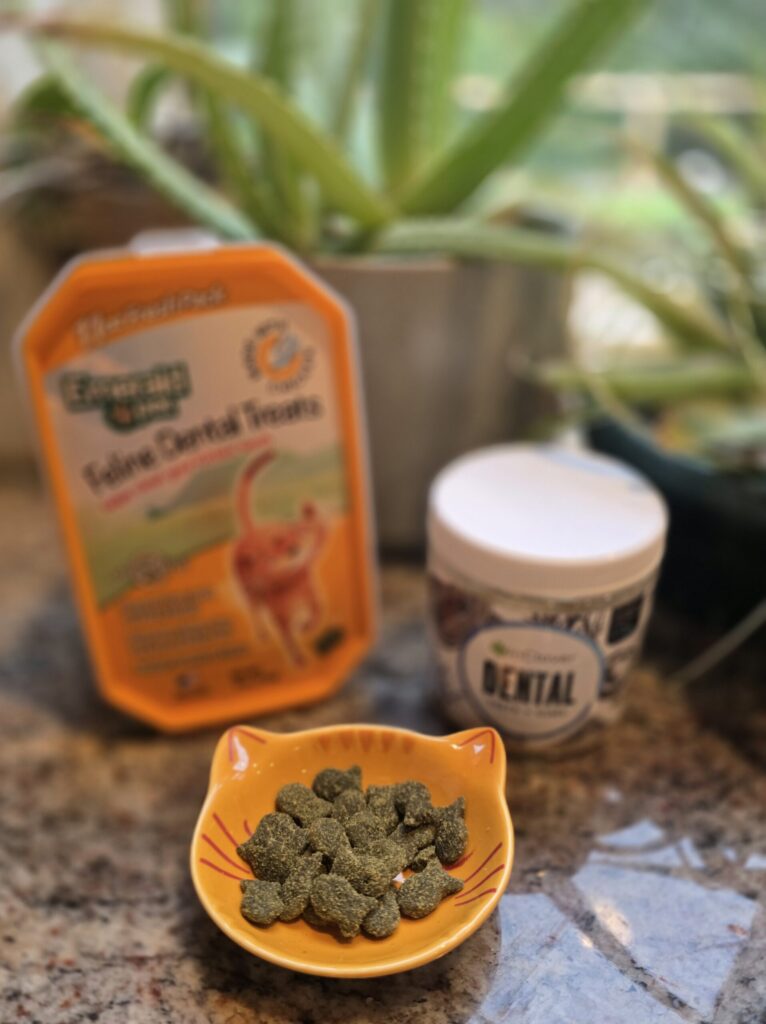
- Kelp-based dental powder – natural plaque prevention that cats actually tolerate
- Moisture-rich meals – supports oral health while preventing dehydration
- Gentle chewing opportunities – silvervine sticks provide safe dental stimulation
- Regular mouth monitoring – weekly visual checks for changes or concerns
- Stress-free handling – positive associations with mouth touching and inspection
Professional Care Scheduling:
- Annual dental examinations – early detection prevents minor issues from becoming major problems
- Professional cleanings as recommended – typically every 1-3 years depending on individual risk factors
- Radiographic monitoring – periodic X-rays track bone health and root stability
- Proactive intervention planning – address emerging issues before they require emergency treatment
Important: Always consult your veterinarian before starting any new dental care routine. Every cat has unique needs based on their age, health status, temperament, and existing dental conditions. Your vet can recommend the most appropriate dental care approach for your individual cat and teach you safe techniques for home dental care.
When to Seek Emergency Cat Dental Health Care
Certain dental symptoms require immediate professional attention to prevent life-threatening complications:
Emergency Warning Signs:
- Sudden, severe facial swelling – may indicate serious infection or abscess
- Complete refusal to eat or drink – dental pain can lead to dangerous dehydration and malnutrition
- Bleeding from the mouth – especially if persistent or accompanied by other symptoms
- Difficulty breathing or swallowing – swelling may compromise airway function
- Extreme lethargy or behavioral changes – systemic infection can develop rapidly
- Visible trauma to teeth or jaw – fractures or displacement require immediate stabilization
Urgent (Within 24-48 Hours) Situations:
- New onset of severe bad breath – sudden changes often indicate rapid disease progression
- Pawing at face or head shaking – signs of significant discomfort
- Drooling with blood or unusual color – may indicate infection or more serious conditions
- Changes in vocalization or difficulty meowing – pain affects normal communication
- One-sided facial changes – asymmetry can indicate localized problems requiring attention
A Lesson in Cat Dental Health and Love
Adopting Penelope transformed my understanding of cat dental health from abstract knowledge into deeply personal experience. What began as a frightening discovery of severe dental disease became a journey toward comprehensive preventive care that’s enhanced not just her oral health, but her overall quality of life.
The most important lesson about cat dental health? It isn’t a luxury or optional aspect of pet care, it’s fundamental to your cat’s wellbeing, comfort, and longevity. The bacteria and inflammation associated with dental disease don’t stay confined to the mouth; they affect the heart, kidneys, liver, and overall immune system.
For Penelope, early intervention in her cat dental health meant the difference between a life of chronic pain and infection versus comfortable golden years with her remaining teeth properly cared for. Her resilience throughout surgery and recovery reminded me that cats are incredibly adaptable when we provide appropriate support and patience.
If you’re reading this and recognizing symptoms in your own cat, please don’t wait. That “just cat breath” or occasional drooling could be early warning signs of a condition that’s completely preventable with proper cat dental health care. If you’re starting with a healthy young cat, embrace this opportunity to establish dental care routines that will serve them throughout their lifetime.
Every cat deserves to eat, groom, and live without the hidden pain of dental disease. With consistent daily care, regular professional monitoring, and prompt intervention when problems arise, we can give our feline family members the comfort and health they deserve.
Penelope’s story continues to unfold beautifully. Her gentle spirit, combined with our commitment to ongoing cat dental health, proves that even cats with complicated dental histories can thrive with proper care, patience, and love. Here’s to healthy smiles, comfortable eating, and the peace of mind that comes from truly caring for every aspect of our cats’ wellbeing.
Frequently Asked Questions
What are the first signs of cat dental health problems?
The earliest signs include persistent bad breath beyond normal “cat breath,” excessive drooling, red or swollen gums, and difficulty eating. Behavioral changes like pawing at the face, reluctance to eat hard food, or decreased grooming can also indicate dental pain.
How often should cats have professional dental cleanings?
Most cats need professional dental cleanings every 1-3 years, depending on individual risk factors, age, and oral health status. Annual dental examinations help your vet determine the appropriate cleaning schedule for your cat’s specific needs.
Can cat dental disease affect other organs?
Yes. Untreated dental infections spread bacteria to the heart, kidneys, and liver through the bloodstream. The inflammation associated with dental disease affects overall immune function and can contribute to serious systemic health problems.
What’s tooth resorption in cats?
Tooth resorption is a painful condition where tooth structure breaks down from the inside. According to the Cornell Feline Health Center, it’s a common condition in cats that’s often not visible externally but causes significant pain. Regular dental X-rays help detect resorption before it becomes severe.
How can I brush my cat’s teeth if they won’t let me?
Start gradually with positive associations. Begin by touching their mouth during petting, progress to rubbing gums with your finger, then introduce pet-safe toothpaste on your finger before using a brush. If brushing isn’t possible, kelp-based dental powders sprinkled on food, dental-specific treats or chews designed for cats, and regular professional cleanings provide alternative support. For cats with existing dental issues or missing teeth like Penelope, soft options may be safer. However, consult your vet about appropriate dental chews for your cat’s specific condition.
What should I feed my cat after dental surgery?
Feed exclusively soft, smooth textures like pâtés for the first 2 weeks. Add bone broth or water for extra moisture, serve at room temperature, and offer small frequent meals. Gradually introduce firmer textures weeks 3-6 based on healing progress and veterinary guidance. However, first follow any care instructions given by your vet.
Supporting your cat’s overall wellness? Explore our guides on shelf-stable cat feeding for dental-friendly nutrition and cat sanctuaries at home for creating stress-free environments that support healing.
At Joyfolk Pets, we believe wellness begins in the everyday moments we share with our animals.
Rooted in Nature. Made with Heart.