Natural Pet Diet Mistakes: 3 Common Pitfalls to Avoid
Learning from Natural Pet Diet Mistakes
Picture this, you’ve just discovered the world of natural pet nutrition and you’re ready to avoid common natural pet diet mistakes. Your social media feeds are filled with gorgeous raw food bowls and success stories about shinier coats and boundless energy. You’re fired up to transform your furry family’s health, but knowing which pitfalls to avoid is crucial for success.
Here’s what happened to me when I started this path with Boomer, Luna, and Penelope, enthusiasm without strategy can lead to uncomfortable natural pet diet mistakes. Many pet parents who attempt natural feeding transitions abandon the approach within the first month, often due to preventable errors that leave both pets and humans frustrated. Avoiding these common pitfalls is crucial for success.
The truth? Starting a natural diet for your pets is absolutely one of the most meaningful shifts you can make for their long-term health and vitality. But like all transformative changes, it requires patience, observation, and a strategic approach that honors your pet’s individual needs while avoiding common natural pet diet mistakes.
I’ve made every mistake in the book while trying to nourish my crew with whole, real foods, from overwhelming Luna’s sensitive kitten stomach to learning about Penelope’s special dietary needs during her dental recovery. If you’re here reading this, chances are you’re committed to doing right by your pets, and I want to help make this journey so much smoother for your family.
**Important:** Always consult your veterinarian before making significant changes to your pet's diet, especially if they have existing health conditions, are very young or senior, or take medications. Your vet can provide personalized guidance based on your pet's individual health status and help you create a safe transition plan that supports their specific needs.
Mistake #1: Rushing the Natural Pet Diet Transitions Without a Gradual Plan
When you’re excited about providing better nutrition, it’s incredibly tempting to overhaul your pet’s entire meal plan overnight. After all, if natural food is healthier, shouldn’t they benefit immediately? This natural pet diet mistake is one of the most common I see.
Here’s the reality: our furry friends’ digestive systems don’t appreciate sudden dietary upheavals. This is especially true for cats and pets with sensitive stomachs. No matter how nutritious the new food might be, sudden changes cause problems. The American Kennel Club emphasizes that gradual transitions prevent digestive upset and food aversion.
Why Rapid Pet Diet Changes Cause Digestive Problems
Digestive enzyme adaptation requires time. Pets need to develop proper enzymes for processing new proteins and fats. Gut microbiome adjustments happen gradually. Beneficial bacteria populations must shift to accommodate different food types.
Sudden changes can trigger stress responses and food aversion in sensitive animals. Gradual introduction allows you to identify specific ingredient sensitivities. It also helps pets develop positive associations with new foods.
Luna’s Learning Curve
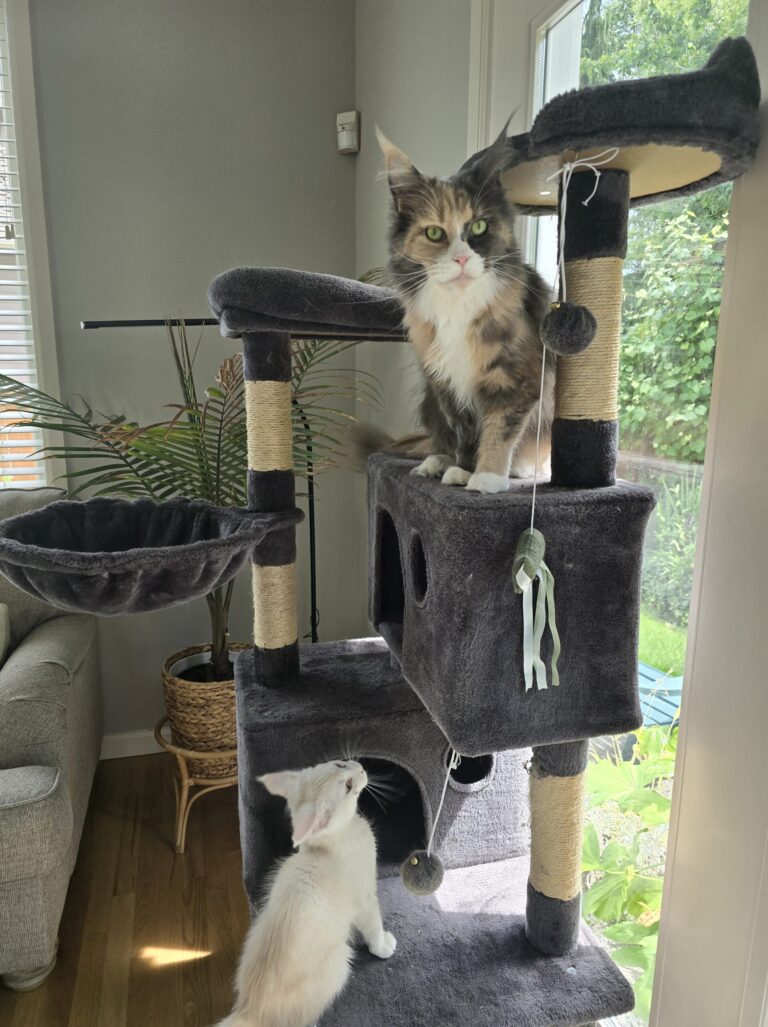
When Luna first joined our family as a tiny kitten, I was eager to offer her all the nutritional goodness immediately. Raw egg, bone broth, freeze-dried liver. I wanted to give her everything! However, I quickly discovered that her sensitive kitten digestive system required a much more thoughtful approach. Even simple additions like pumpkin puree initially caused loose stools until I learned to introduce new elements one tiny spoonful at a time.
For more guidance on sensitive digestive systems, see our comprehensive guide on shelf-stable cat feeding that addresses kitten nutrition needs.
Safe Natural Pet Diet Transition Protocol to Avoid Mistakes
Days 1-3: Mix 25% new food with 75% current food, monitoring stool consistency and energy levels
Next, Days 4-6: Increase to 50% new food with 50% current food, watching for any digestive upset
Then, Days 7-9: Progress to 75% new food with 25% current food, ensuring continued appetite and comfort
Finally, Day 10+: Complete transition to 100% new food if all signs remain positive
Throughout: Add digestive support like bone broth or goat milk to ease the process
Watch for red flags that indicate you need to slow down. Look for loose stools or diarrhea, decreased appetite or food refusal, vomiting or excessive gas. Lethargy or behavioral changes signal problems. Excessive begging or food-seeking behavior may indicate inadequate satiation.
Remember: patience during this phase sets the foundation for lifelong healthy eating habits.
Mistake #2: Assuming “Natural” Pet Foods Are Always “Nutritionally Complete”
This misconception trips up even the most well-intentioned pet parents. It represents a serious natural pet diet mistake. Just because an ingredient is natural, organic, or minimally processed doesn’t guarantee complete nutrition. Your pet’s daily needs require careful balance.
A perfect example: a bowl of pure chicken breast might seem like healthy natural feeding. But it lacks the vitamin and mineral diversity necessary for optimal health. The Association of American Feed Control Officials (AAFCO) provides guidelines for complete and balanced pet nutrition. These help prevent common natural pet diet mistakes.
Common Natural Pet Diet Nutritional Imbalances
The most frequent imbalances include excessive muscle meat without organ balance, missing calcium sources, inadequate omega-3 fatty acids, limited fiber and plant nutrients, and vitamin and mineral deficiencies. These problems often develop from over-reliance on single protein sources, treating toppers as complete meals, ignoring life stage requirements, skipping essential supplements, and portion mismanagement. Understanding these natural pet diet mistakes helps prevent nutritional deficiencies.
Building Nutritional Balance in Natural Pet Diets
Rotate protein sources weekly to provide different nutrient profiles from chicken, beef, lamb, fish, and game meats. Additionally, include organ meats regularly, aiming for 10-15% of total protein intake from liver, kidney, heart, and other organs.
Add appropriate calcium sources through ground bone, eggshell powder, or veterinary-approved supplements. Incorporate beneficial fats like fish oil, coconut oil, or flaxseed for omega fatty acid balance, and include appropriate fiber sources like pumpkin, sweet potato, or leafy greens.
High-quality commercial natural foods make achieving nutritional completeness more accessible, especially when paired with targeted supplements like kelp-based dental powders, bone broth, digestive enzymes, and probiotic supplements.
Mistake #3: Ignoring Individual Pet Dietary Needs and Health Requirements
Perhaps the most critical error in natural feeding is forgetting that every pet has unique nutritional requirements. Health considerations and preferences must guide dietary decisions. This natural pet diet mistake can undermine even the best intentions.
For more guidance on individualized feeding approaches, see our comprehensive guide on building balanced dog bowls and our article about shelf-stable cat feeding that addresses different dietary needs. Additionally, our exploration of cat dental health considerations shows how health conditions affect feeding choices.
Boomer’s Weight Management Reality
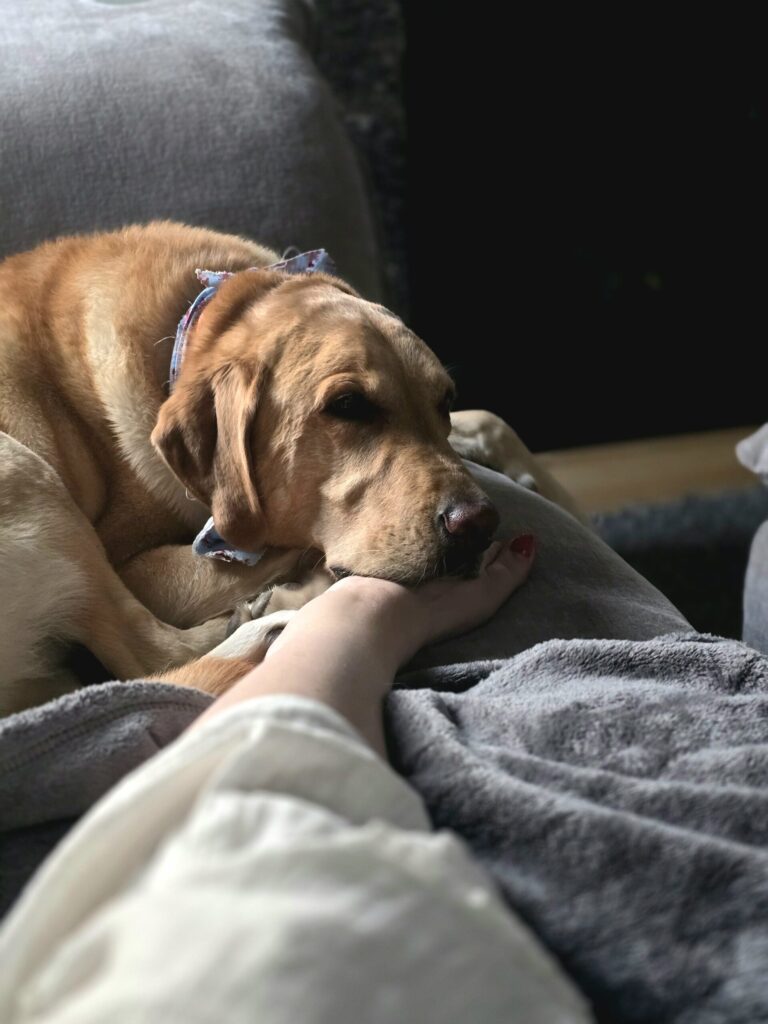
Boomer would enthusiastically devour anything edible (and plenty of things that aren’t). His boundless appetite and food motivation made him an easy candidate for natural feeding, until his CCL surgery last year reminded us that calories from even the highest quality foods still count toward weight management.
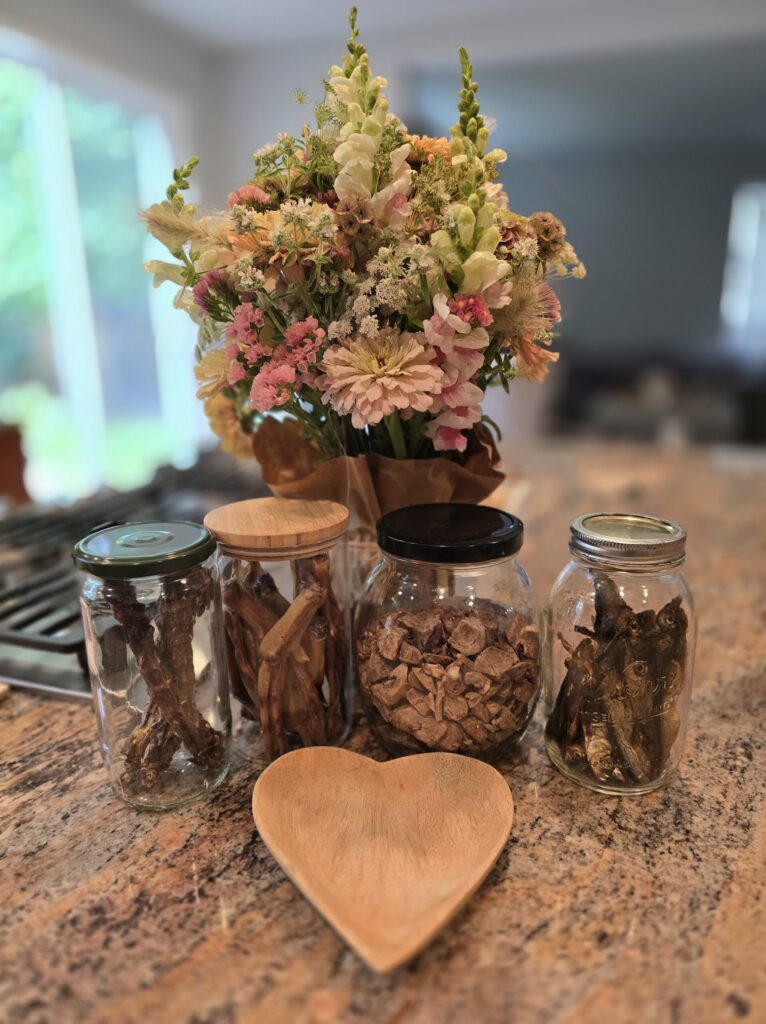
We’ve learned to focus on nutrient-dense, lower-calorie additions like duck feet for dental health, freeze-dried heart for taurine and protein without fat overload, fish oil for joint support in measured doses, and bone broth for satiation without caloric density.
Creating appropriate portions while maintaining nutrition requires understanding individual needs. Learn more in our guide to building a balanced dog bowl.
Boomer's Take

"Listen, I'm pretty much an expert at eating – been doing it my whole life. And I can tell you that when Mom started adding all these fancy new foods to my bowl, my stomach needed time to figure things out. The freeze-dried liver? Amazing. But too much too fast? Not so amazing. Now that we've got a system where new stuff shows up gradually, my tail wags AND my tummy's happy. That's what I call a win-win."
Penelope’s Texture Limitations
Penelope’s dental challenges create entirely different feeding requirements. Her underbite and missing teeth mean that foods must be soft enough to manage comfortably, appropriately sized to prevent choking, nutritionally concentrated since smaller portions must provide complete nutrition, and easy to digest for post-surgical healing.
Luna’s Growing Kitten Requirements
As a rapidly developing kitten, Luna needs higher protein percentages than adult cats, increased caloric density to support her active metabolism, careful introduction protocols due to her sensitive digestive system, and appropriate portion sizes that prevent overwhelm while supporting development.
Individualization Strategies for Natural Pet Diets
Observe and document responses by keeping detailed feeding logs. Additionally, adjust portions based on body condition, consider medical history, respect natural preferences, and account for activity levels. Remember that puppies and kittens require higher protein and fat for development, while senior animals benefit from easily digestible proteins and joint support. For instance, Luna needs higher protein percentages than Penelope.
Creating sustainable natural feeding practices requires understanding your whole household. See our strategies for multi-pet household harmony when managing different dietary needs under one roof.
Avoiding Natural Pet Diet Mistakes: Gentle Strategies for Success
Creating sustainable natural feeding practices requires a balanced approach that prioritizes progress over perfection while avoiding common natural pet diet mistakes.
- Start with high-quality base foods and add one new element weekly.
- Maintain detailed feeding journals and establish consistent meal timing.
- Prep ingredients in advance, use measurement tools, and rotate ingredients systematically.
- Connect with other natural feeding families and work with knowledgeable veterinarians.
Making Your Own Pet Food: If you're considering preparing homemade meals for your pet, it's crucial to work with veterinary nutrition experts to ensure balanced recipes. The Cornell University Hospital for Animals Nutrition Service provides professional consultations to help pet parents develop complete and balanced homemade diets tailored to their pet's specific needs. This expert guidance helps prevent nutritional deficiencies that can occur with well-intentioned but unbalanced homemade diets.
A Natural Pet Diet Approach That Avoids Common Mistakes
Your pet doesn’t need Instagram-worthy, perfectly arranged bowls to benefit from natural nutrition, they need meals thoughtfully prepared with their individual needs, preferences, and health considerations in mind. Natural feeding is indeed a profound gift you can offer your furry family members, but avoiding natural pet diet mistakes makes the difference between success and frustration.
The journey toward natural feeding isn’t about achieving immediate perfection or dramatically transforming your pet’s diet overnight. It’s about building sustainable practices that enhance their health, strengthen your bond, and create positive associations with mealtime that last throughout their lives.
The natural pet diet mistakes I’ve shared aren’t failures; they’re valuable learning experiences that deepen our understanding of our pets’ unique needs. Luna’s sensitive stomach taught me patience, Boomer’s enthusiastic appetite showed me the importance of portion control, and Penelope’s dental challenges reminded me that one size definitely doesn’t fit all when it comes to natural nutrition.
Trust yourself, observe carefully, and remember that the most successful natural feeding approach is the one that works sustainably for both you and your pet. Start where you are, use what you have, and take it one nourishing meal at a time.
Your pets are fortunate to have someone who cares enough to research, learn, and make thoughtful choices about their nutrition. That intention and love matter more than any single ingredient or feeding philosophy and it shows up in every tail wag, content purr, and moment of vibrant health you’ll witness along this beautiful journey.
Frequently Asked Questions
How long should a natural pet diet transition take?
A safe transition takes 10-14 days minimum for most pets, though sensitive animals may need 3-4 weeks. Gradual introduction prevents digestive upset and allows you to identify any ingredient sensitivities. Never rush this process, even with high-quality natural foods.
What are the most common natural pet diet mistakes beginners make?
The three most common natural pet diet mistakes are: rushing transitions without gradual protocols, assuming all natural ingredients are nutritionally complete, and ignoring individual health needs. Starting slowly, ensuring balanced nutrition, and observing your pet’s unique responses prevents these pitfalls.
Can I feed my dog and cat the same natural diet?
No. Dogs and cats have fundamentally different nutritional requirements. Cats are obligate carnivores requiring higher protein and specific nutrients like taurine, while dogs are omnivores with more flexible dietary needs. Each species needs individualized natural feeding approaches.
How do I know if my natural pet diet is nutritionally complete?
Work with a veterinary nutritionist to analyze homemade recipes, rotate multiple protein sources weekly, include organ meats (10-15% of protein), add appropriate supplements, and monitor your pet’s body condition, energy, coat quality, and stool consistency. Regular vet check-ups with bloodwork confirm nutritional adequacy.
What should I do if my pet has digestive upset during diet transition?
Slow down or pause the transition, returning to the previous ratio of old to new food. Add digestive support like bone broth or probiotics, ensure adequate hydration, and consult your veterinarian if symptoms persist beyond 24-48 hours or worsen.
Ready to optimize your pet’s nutrition without the guesswork? Explore our guides on building balanced dog bowls and cat feeding strategies for species-specific natural feeding success.
At Joyfolk Pets, we believe wellness begins in the everyday moments we share with our animals.
Rooted in Nature. Made with Heart.


This is an example of a comment.
This is an example of a comment reply.
This is another comment with more text. Lorem ipsum dolor sit amet, consectetur adipiscing elit. Phasellus ultricies ultricies nulla, convallis maximus lacus imperdiet sed. Etiam gravida arcu eget scelerisque gravida. Donec sit amet lectus feugiat, cursus felis sed, suscipit leo. Nulla facilisi. Phasellus dolor ipsum, convallis in quam nec, lobortis facilisis dolor.