How Pets Say “I Love You” Back: Recognizing the Quiet Ways Dogs and Cats Offer Connection
Part 3 of the Joyfolk Love Series
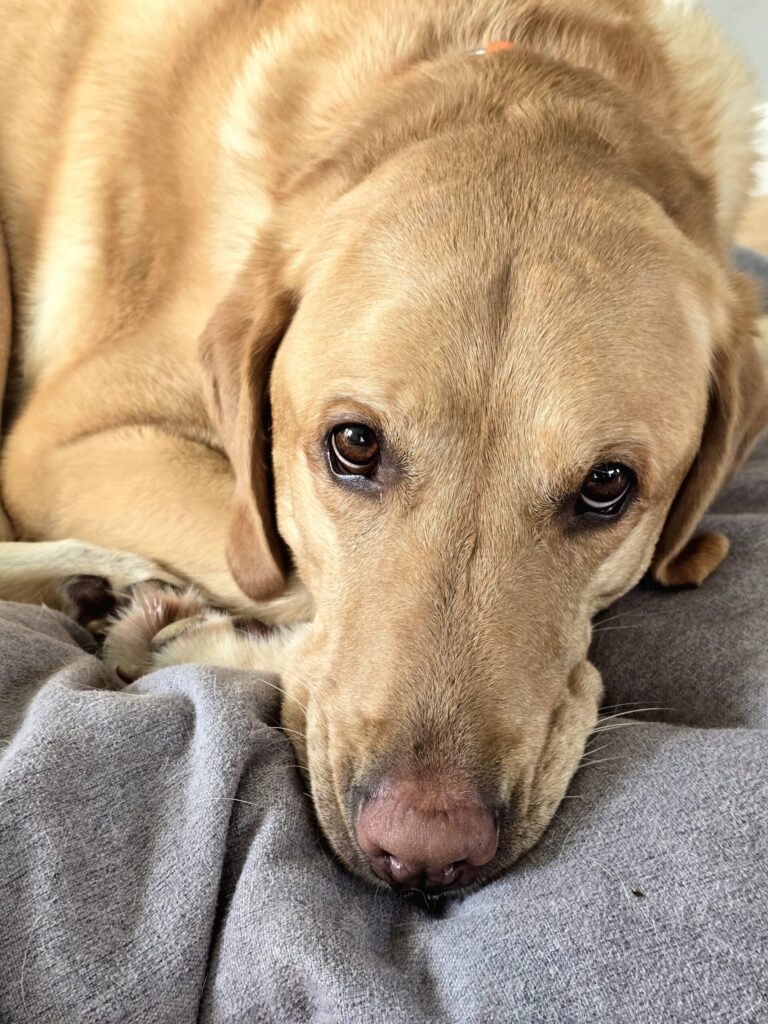
Most pets don’t express love in ways that ask to be noticed.
They don’t announce it. They don’t perform it. And they rarely repeat it if it’s missed.
Instead, pets offer connection quietly, through proximity, attention, and choice. These signals are easy to overlook because they often look like ordinary behavior. Following you into another room. Settling nearby. Watching without interrupting. Showing up when nothing has been asked of them.
Living with Boomer, Penelope, and Luna has taught me that love, from animals, is rarely dramatic. It’s relational. It shows up in how they choose to be with us when they don’t need anything at all.
This article isn’t about how we show love to our pets. That’s something I explore more fully in The Small Ways We Say “I Love You” to Our Pets. And it isn’t about how pets receive care from us. It’s about how pets initiate connection on their own terms, and how to recognize those moments for what they are.
How Pets Say I Love You Back Through Proximity

One of the clearest ways pets express love is by choosing to be near us without asking for interaction.
Dogs often do this by following quietly from room to room, lying nearby while you work, or positioning themselves where they can see you. This isn’t always about need or dependence. For many animals, closeness to someone they trust is simply regulating. It helps them feel settled and secure.
Boomer does this throughout the day. He doesn’t always want attention. Often, he just wants to know where I am and rest nearby. A glance. A brief check-in. Then stillness.
Cats express proximity differently. Penelope doesn’t stay close all day, but she appears at meaningful moments. She checks in during transitions, follows me upstairs, settles on the couch in the evening, and joins me at the beginning and end of the day. The timing matters. It’s intentional.
When a pet chooses proximity without demand, they’re saying, “I trust you enough to share space.” Recognizing that choice as connection, rather than background behavior, changes how it feels to live together. It shifts proximity from something happening around you to something being offered to you.
Offering Attention Through Eye Contact and Awareness
Eye contact plays a quiet but meaningful role in how pets communicate connection.
With dogs, relaxed eye contact often shows comfort and familiarity. It isn’t staring or insistence. It’s soft attention. A look that checks in, then lets go. Over time, these small moments of shared awareness deepen the bond.
These quiet exchanges matter. Gentle eye contact between pets and their people has been shown to increase oxytocin in both, reinforcing feelings of safety and social bonding. It’s not dramatic or intense. It’s calm, mutual recognition.
Boomer does this often. He’ll meet my eyes briefly, body relaxed, then settle. Sometimes it happens when I look up from my desk. Sometimes when I enter a room. The look itself is soft. Not staring. Not demanding. Just noticing. It isn’t a request. It’s acknowledgment.
Cats are more subtle. Direct staring can feel intrusive, but slow blinks, half-lidded eyes, and gentle gaze are signs of trust. When Penelope looks at me and slowly closes her eyes before reopening them, she’s offering connection in a language cats reserve for safety.
These moments are easy to miss because they’re quiet. But they’re intentional. And when you return the look, even for a second, the connection completes. When a pet offers calm visual attention, they’re engaging with you, not simply existing nearby.
Initiating Interaction and Shared Moments

Some pets express love by initiating interaction.
Dogs may bring toys, rest a paw gently on you, or nudge a hand. Cats may drop toys nearby, vocalize softly, or invite play in short bursts. What matters here is the initiation. The pet is choosing engagement.
Luna expresses this clearly. She brings toys, makes eye contact, and waits. Not demanding constant play, but offering it. When that invitation is met, even briefly, her energy settles afterward.
It’s easy to misread these moments as attention-seeking or disruptive. But calm, repeated invitations are often bids for relationship, not stimulation.
Recognizing initiation as connection allows us to respond with presence instead of irritation, and that response reinforces trust.
Mirroring and Synchronizing With You
Another overlooked way pets express love is by aligning themselves with your rhythms.
Dogs and cats both do this. Sleeping when you sleep. Becoming active when you are. Moving rooms with you. Adjusting their energy to match the household.
Penelope mirrors this beautifully. She rests during the day, becomes more present in the evening, and joins me in bed during the quiet bookends. I’ve noticed that on weekends, when my rhythm shifts—sleeping later, staying up later—her pattern shifts too. She’s not following a clock. She’s following me. Boomer adjusts his pace and energy to the rhythm of the house. Luna rises when play is likely and settles as the environment calms.
When a pet mirrors your rhythm, they’re integrating you into their sense of normal. That isn’t obedience. It’s attachment.

Protective and Alert Behaviors as Care
Protective behaviors can be complicated to interpret.
Barking at the door. Alerting to unfamiliar sounds. Positioning themselves between you and something new. These behaviors aren’t always rooted in fear or reactivity. Often, they reflect attentiveness and responsibility.
Dogs, in particular, have been shaped to notice changes in the environment and communicate them. When Boomer barks at the door, I thank him. Not because I want constant barking, but because he’s doing what he believes is his job. He’s noticing. He’s communicating. He’s including me.
Acknowledging alert behavior calmly tells a dog that the message has been received. Dismissing it entirely can increase anxiety or intensity. Recognition helps the moment pass.
This kind of protectiveness isn’t sentimental. It’s functional care. And for many dogs, it’s part of how they express connection.
Cats may express protective care more quietly, through vigilance, positioning, or increased presence during unfamiliar situations.
Showing Trust in Vulnerable Moments
One of the most meaningful ways pets express love is through trust when they’re vulnerable.
Staying nearby when they’re tired. Seeking closeness when something feels off. Remaining visible rather than withdrawing during stress.
I see this with Boomer after difficult days. Days with vet visits, loud construction noise, or disrupted routines. Instead of withdrawing to his crate or a quiet corner, he stays close. He doesn’t ask for anything. He just doesn’t leave. That choice to remain present when he could retreat tells me something important about how he experiences safety.
Animals who choose proximity during uncertainty are demonstrating confidence in the relationship. They believe your presence helps regulate them.
These moments aren’t performative. They aren’t rewarded. They’re instinctive. And they carry weight.
Learning to Notice Without Needing More

Pets don’t announce love. They offer it.
They offer it through presence, attention, initiation, synchronization, and trust. Often once. Often quietly. Often without repetition if it’s missed.
Learning to recognize these signals doesn’t require doing more. It requires seeing differently.
When we notice how our pets say “I love you” back, we stop measuring connection by intensity or frequency. We start measuring it by choice, trust, and familiarity. This kind of awareness deepens when we understand the love languages our pets naturally speak, which I explore in Understanding Your Pet’s Love Language. And when we respond to those signals, even briefly, we strengthen the same quiet rituals explored in The Small Ways We Say “I Love You” to Our Pets.
With Boomer, Penelope, and Luna, I’ve learned that love from animals doesn’t need to be loud to be real. The quiet offerings are not less than dramatic displays. The proximity. The glances. The synchronization. They’re often more meaningful because they’re voluntary, repeated, and offered without expectation of return.
And very often, that quiet offering is enough.
FAQ’s How Pets Say “I Love You” Back
How do pets show love differently than humans?
Pets express love through behavior rather than words. Proximity, shared routines, eye contact, and choice are often stronger indicators of affection than overt displays.
Do dogs and cats show love in different ways?
Yes. Dogs often show love through closeness, alertness, and shared activity. Cats tend to express affection more selectively, through timing, presence, slow blinks, and trust during quiet moments.
How can I tell if my pet is bonding with me?
Look for voluntary behaviors: choosing to be near you, initiating interaction, mirroring your routines, or seeking you out during vulnerable moments. These are signs of trust and connection.
What if my pet doesn’t show affection in obvious ways?
Not all pets express love outwardly. Some show connection through calm presence, predictability, or quiet observation. Love doesn’t have to be loud to be real.
Can recognizing these behaviors improve my relationship with my pet?
Yes. When you recognize how your pet offers connection, you respond more accurately. That reduces miscommunication, builds trust, and makes daily life feel easier for both of you.
At Joyfolk Pets, we believe wellness begins in the everyday moments we share with our animals.
Rooted in nature. Made with heart.
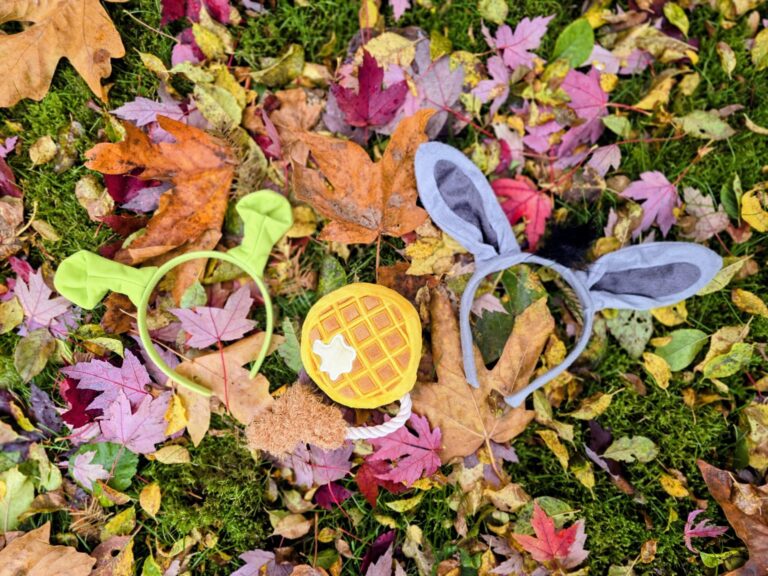

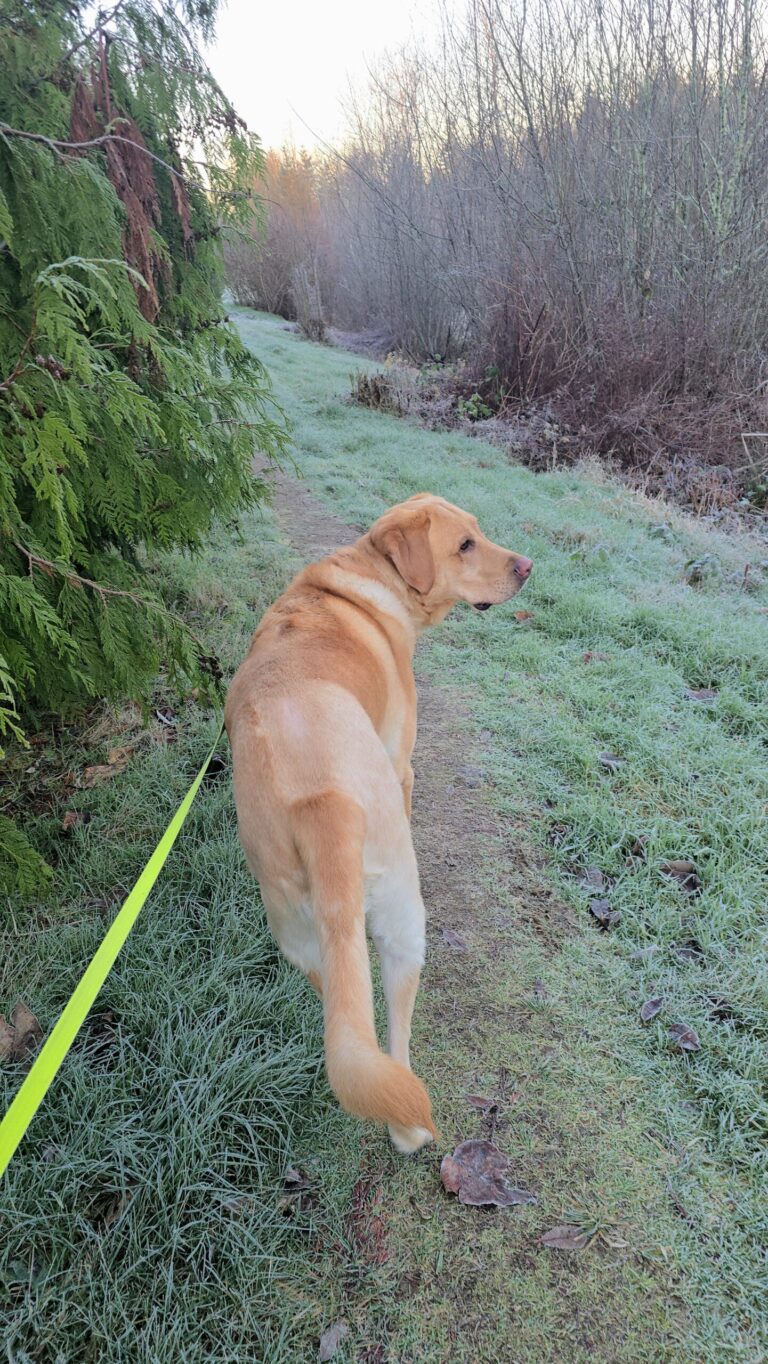

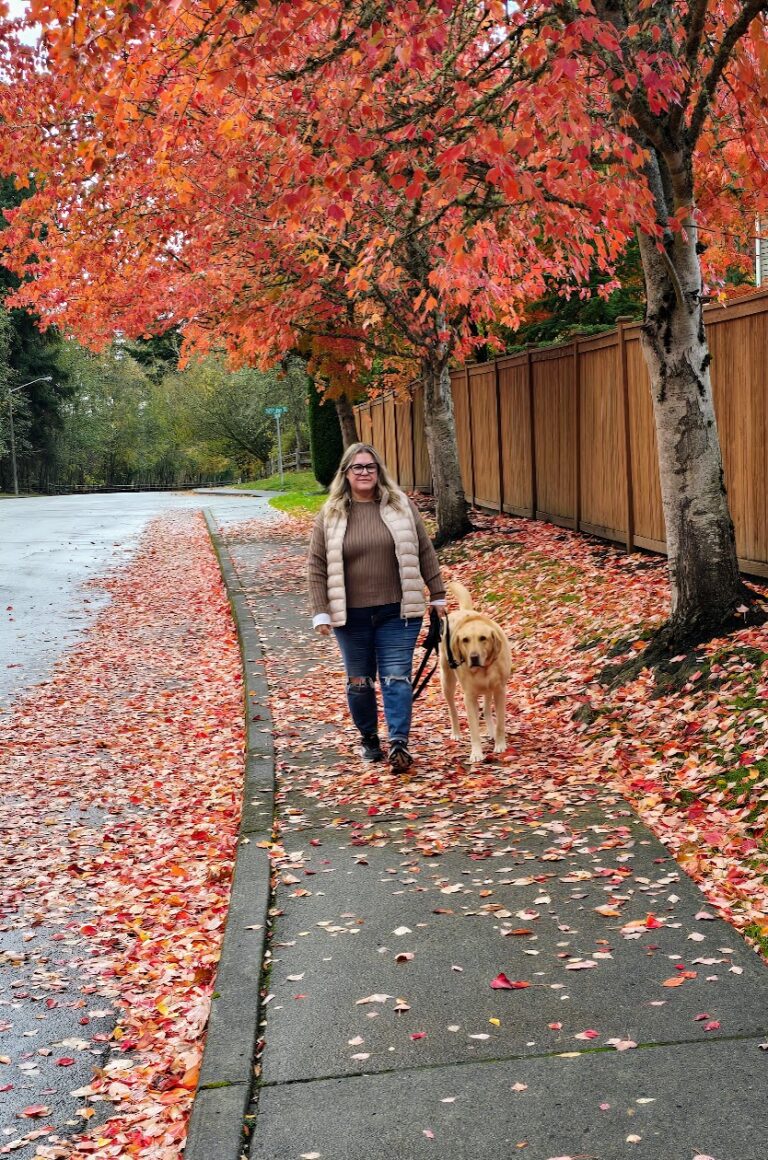

When I was last visiting you, Boomer really surprised me when he was playing with his favorite toy and then he deliberately walked over and gently put it in my lap. I immediately recognized he was showing me love and trust. He didn’t ask to play, he was sharing his toy with me. I watched as he went and picked another toy. After awhile he did come back and retrieved his toy. His jester really made me feel like I was special to him
This made me smile so much. 💛
That is exactly who he is. When Boomer brings someone his favorite toy, it’s never random. It’s his quiet way of saying, “You’re part of my circle.”
I love that you noticed he wasn’t asking you to play. He was sharing. That trust means everything. And the fact that it made you feel special tells me he chose well.
Thank you for loving him the way you do. He absolutely knows it.