TPLO Recovery Essentials for Large Dogs: What Actually Helped Us

Bringing Your Dog Home After TPLO Surgery
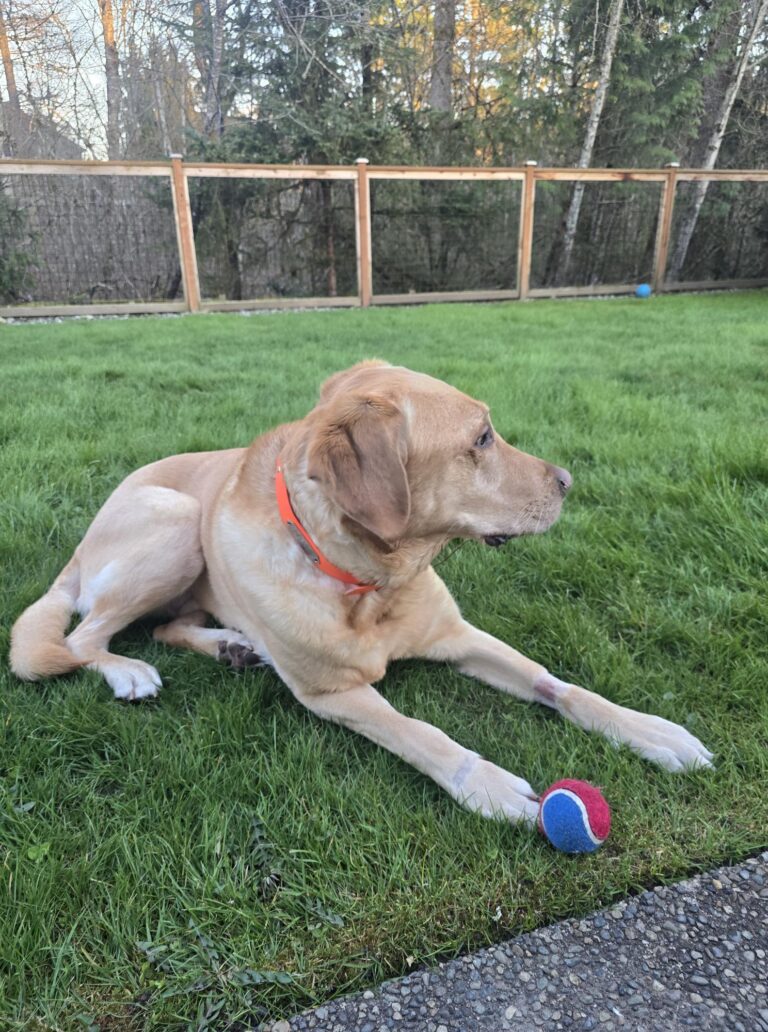
A year apart. Same date. Opposite leg.
Boomer’s second TPLO surgery wasn’t planned the way the first one was. We went in on a Tuesday in late November for a vet assessment and X-rays after an injury that happened over the weekend. The surgeon happened to be there that day. The knee was unstable. We made the decision, and a few hours later I was picking him up post-op.
There’s something sobering about leaving your dog for imaging and coming home with a dog who has just had major orthopedic surgery. If you’re preparing for TPLO surgery, you’re probably wondering which TPLO recovery essentials you actually need at home to manage those first few weeks safely.
The only reason that day felt manageable is because I had already been through TPLO recovery once before. In fact, one year to the day, Boomer had TPLO surgery on his left leg. I had supplies packed away, and I knew what recovery actually looked like inside our home. While he was in surgery, I ran home and pulled everything back out.
With a large dog, the practical side of recovery takes some planning. We needed non-slip surfaces throughout the areas Boomer used, a safe place for him to rest, a way to support him when he went outside, and enough enrichment to get through weeks of restricted activity.
This isn’t a medical guide to TPLO recovery. It’s the practical list of things we actually used at home, including what mattered most and what made those first weeks easier to manage.
Always follow your surgeon’s recovery protocol. Every dog and recovery is different. These are simply the things that helped us with Boomer.
While Boomer is a large Labrador, many of these essentials can also be useful for smaller dogs recovering from TPLO surgery.
What Is TPLO?
TPLO stands for Tibial Plateau Leveling Osteotomy, a surgical procedure commonly performed to stabilize a torn cranial cruciate ligament (CCL) in dogs. Recovery after TPLO surgery typically requires 12 to 16 weeks of restricted activity while bone healing and muscle rebuilding take place.

Setting Up a Safe TPLO Recovery Space at Home for a Large Dog
For the first several weeks, Boomer needed a place where he could rest comfortably without having enough freedom to run, jump, or make a sudden trip to the front door.
We used a large portable playpen that gave him enough room to stand, turn around, stretch out, and change positions comfortably. I kept it near me while I worked, so he could still be part of what was going on without me having to watch him every second. For a dog Boomer’s size, it gave him a little freedom to move around while still keeping his activity controlled.
I had already invested in a supportive orthopedic bed before his first TPLO surgery, and we used it through both recoveries. I also kept his other beds available in the common areas of the house. As he was allowed a little more freedom, he could move from one resting spot to another instead of spending the entire day in the same place.
I kept washable blankets on the beds and in his crate, too. They were easy to change as needed and gave him an extra layer of comfort over his shaved leg, especially during his winter recoveries.
Preventing Slipping After TPLO Surgery

Hardwood floors were one of the biggest challenges early on. I don’t have wall-to-wall carpet, and our rugs don’t cover every part of the floor. Non-slip yoga mats ended up being one of the most useful things we had during both of Boomer’s recoveries.
I laid them along the routes he used most, especially between his bed and the door we used for potty breaks. They gave him a secure surface to walk on without requiring me to cover the entire house in rugs. I also put them around his resting areas so he had traction when standing up and lying back down.
If your dog will have access to stairs or rooms where you can’t supervise them, baby gates or an exercise pen can help limit where they can go. I was home with Boomer and could supervise him closely, so we didn’t use gates very much, but I still kept him away from the stairs and anywhere he might try to jump.
I also kept his food and water in an area he could reach without crossing a slippery floor or navigating around furniture.g to eat can feel awkward in the early days, and minimizing strain wherever possible made meals calmer.
Choosing a Comfortable Cone After Surgery
The vet sent Boomer home with the standard plastic cone. After his first surgery, I also bought a softer, more flexible option that he seemed more comfortable wearing.
Because I work from home and could supervise him closely, I was able to keep a close eye on whether he was trying to lick or bother his incision. When I couldn’t supervise him, I made sure he was wearing the cone.
If your dog needs to wear a cone throughout the first couple of weeks, it’s worth finding one that prevents access to the incision while still allowing them to eat, drink, sleep, and move around comfortably. Follow your surgeon’s instructions for how long your dog needs to wear it.
Ice Packs and Temperature Management During TPLO Recovery

During the first few days after surgery, we used large, flexible ice packs that could wrap around Boomer’s knee. We followed our surgeon’s instructions for how often and how long to use them. Having several in the freezer was helpful because there was always a cold one ready when we needed it.
Later in his recovery, our instructions changed from cold therapy to gentle heat. This is one area where I would follow your veterinary team’s directions rather than a general recovery schedule, since your dog’s needs and your surgeon’s protocol may be different.
Boomer also came home with his entire back end and part of his back shaved. Both of his TPLO surgeries were in late November, so keeping him warm outside became part of our routine. His potty breaks were short, but on cold or wet days I put a coat on him before we went out.
How to Keep Your Dog Calm During TPLO Recovery
The incision heals faster than the frustration.
For an active dog, the hardest part of TPLO recovery isn’t always the pain. It’s the stillness. Once the initial soreness fades, many dogs feel better before they are actually healed. That’s when structure matters most.
Sling Support and Controlled Movement After TPLO
A support sling was especially important for us because Boomer is a large dog and we have two steps leading from the house to the yard. He wasn’t allowed to navigate those steps on his own during the early part of recovery.
I used a rear-support sling made for larger dogs that I could put on and remove by myself. It allowed me to steady his back end on the steps and during those first short trips outside without having to wrestle with a towel under a 90-pound Labrador several times a day.
A towel can work as a temporary sling, and we were actually shown how to use one. But if you’ll be supporting a large dog several times a day for weeks, I found a dedicated sling much easier to manage.
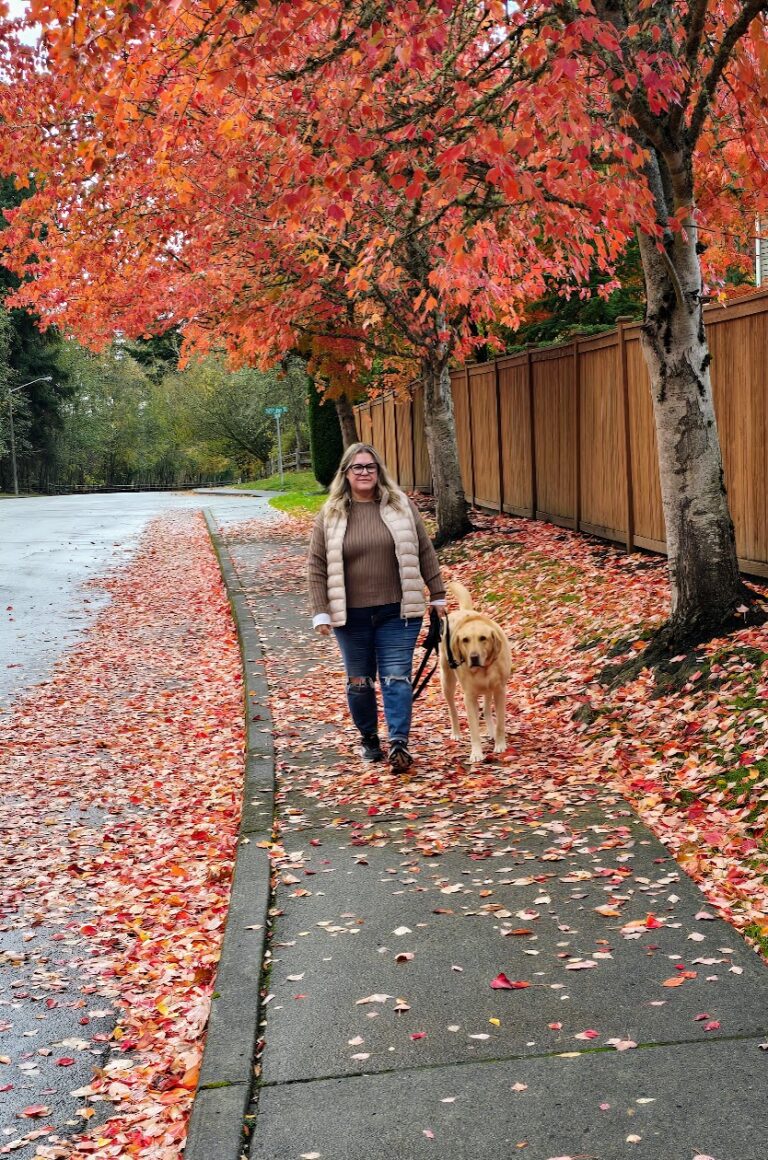
Boomer was also on a leash every time we went outside. Even a quick potty break could become exciting if he spotted another dog — or one of the neighborhood bunnies he loves to chase. Inside, we kept him from jumping on furniture or using the stairs and limited his movement when I couldn’t supervise him.
Later in recovery, after his restrictions began to ease, I used a retractable leash to give him a little more room to sniff while still keeping him under control. Any increase in activity should follow your own surgeon’s recovery plan.
Mental Stimulation During Restricted Activity

One of the harder parts of TPLO recovery was keeping Boomer occupied when he was starting to feel better but still wasn’t allowed to do very much.
Lick mats, frozen treats, stuffed toys, and other calm enrichment gave him something to do without encouraging a lot of movement. I also froze baby food in small jars and let him work on those while I did the gentle at-home exercises our physical therapist had given us.
I tried to keep as much of his normal routine as possible, too. He could still hang out near me while I worked, have his usual treats and enrichment, and be part of the household even when his physical activity was limited.
I talk more about some of the everyday routines we use with our pets in A Ritual of Care: 5 Daily Routines That Strengthen the Bond With Your Pet.
Nutrition During Reduced Activity After TPLO Surgery
After both surgeries, our veterinary team recommended reducing Boomer’s food because he was going from being an active dog to weeks of very limited activity. The goal was to keep him from gaining weight while he recovered.
I adjusted his portions rather than completely changing his diet. We continued the fish oil and Cosequin he was already taking for joint support, and I used some of his usual real-food toppers in smaller amounts. If you’re interested in what I normally add to Boomer’s meals, I share more in How to Build a Balanced Dog Bowl with Real Food Toppers.
The medications he took after surgery also affected his stomach at times. I kept a few familiar foods on hand that I knew worked well for him when his appetite or digestion was off, including pumpkin and bone broth.
Before changing your dog’s diet or adding supplements during surgical recovery, check with your veterinarian, especially if your dog is taking prescription medications.
Physical Therapy Tools After TPLO Surgery (Only After Clearance)

After Boomer’s first TPLO surgery, I worked with a canine physical therapist who taught me exercises I could safely continue with him at home.
Once Boomer was cleared to begin rehabilitation, I used a half BOSU ball for some of his balance exercises. I also made my own cavaletti poles using broom and mop handles rather than buying special equipment. They worked perfectly well for the exercises our physical therapist had shown us.
By the time Boomer had his second TPLO surgery, I already had experience with those exercises and knew how they were supposed to be done. I still waited until he was cleared before adding them back into his routine.
If you plan to do physical therapy exercises at home, I strongly recommend having a veterinarian or canine rehabilitation professional show you what to do first. The right exercises — and when to begin them — will depend on your dog’s surgery and recovery.
TPLO Recovery Essentials Checklist
What I’d Have Ready for TPLO Recovery

TPLO recovery is a long process, especially in the beginning when your dog needs help with even the simplest things. We’ve now been through it twice with Boomer, and having the right setup at home made both recoveries much easier to manage.
If I had to prepare for another TPLO surgery, the things on this list are what I would pull out again: a safe recovery space, plenty of traction, a good sling, ice packs, comfortable places to rest, and enough enrichment to keep Boomer occupied while his activity was restricted.
You don’t need to buy everything marketed for TPLO recovery. Some of the things we used most were incredibly simple — yoga mats on the hardwood floors, broom handles for rehab exercises, and frozen treats to keep Boomer busy.
Hopefully, you only have to go through TPLO recovery once. But if you’re preparing for it now, I hope sharing what worked in our house makes it a little easier to figure out what you’ll actually need.
Frequently Asked Questions About TPLO Recovery
How long is TPLO recovery for a large dog?
TPLO recovery typically takes about 12 to 16 weeks, although full strength and muscle rebuilding may take longer. Recovery time varies based on the dog’s age, size, overall health, healing progress, and rehabilitation plan. Follow your surgeon’s timeline for increasing activity.
When can a dog use stairs after TPLO surgery?
Stair use is usually restricted during the early stages of TPLO recovery and gradually reintroduced as healing progresses. Some dogs may be allowed to use a small number of stairs with leash and sling support earlier in recovery. Unassisted stair use should wait until your veterinary team determines it is safe.
When can a dog jump on the couch after TPLO?
Jumping is typically restricted for 8 to 12 weeks, and often longer for large or highly active dogs. Even after bone healing is confirmed, controlled strength and muscle rebuilding are important before allowing free jumping. Always wait for explicit veterinary clearance before reintroducing couch or bed access.
How do you keep a dog calm after TPLO surgery?
Use a crate or playpen to limit movement, keep the dog leashed when outside the recovery area, and provide low-movement enrichment such as lick mats, stuffed toys, and puzzle feeders. Maintaining a predictable routine can also help during restricted activity. If a dog is difficult to keep safely calm, talk with the veterinarian about additional options.
Do dogs need a sling after TPLO surgery?
Some dogs benefit from a rear-support sling after TPLO surgery, particularly during the early stages of recovery, on slippery surfaces, or when navigating necessary steps. Large dogs may also be easier to stabilize with a properly fitted sling. Ask the veterinary team whether a sling is appropriate and how it should be used.
What size crate or playpen is best for TPLO recovery?
A TPLO recovery crate or playpen should be large enough for the dog to stand normally, turn around, change positions, and lie down comfortably, but small enough to prevent running, jumping, or pacing. The appropriate size and confinement setup will depend on the dog and the surgeon’s recovery instructions.
Are yoga mats good for dogs after TPLO surgery?
Non-slip yoga mats can provide useful traction on hardwood, tile, and other slippery floors during TPLO recovery. Place them along frequently used walking paths and around resting areas, and make sure the mats themselves do not slide or create a tripping hazard.
At Joyfolk Pets, we believe wellness begins in the everyday moments we share with our animals.
Rooted in nature. Made with heart.