Are Essential Oils Safe for Cats? What to Avoid and What Actually Matters at Home

It’s a question that sounds simple until you actually try to answer it. Are essential oils safe for cats in everyday home environments?
Search for it and you’ll find a landscape of extremes. Long lists of toxic oils. Blanket warnings to avoid everything. Or, on the opposite end, reassurance that diluted oils are completely fine. Most real homes don’t live at either extreme, and that’s exactly where the practical advice tends to break down.
Essential oils aren’t just in small bottles anymore. They’re in diffusers, cleaning products, candles, room sprays, and personal care products that move through the same spaces your cat does every single day.
That changes the question entirely. When people ask, “are essential oils safe for cats,” what they’re really asking about is how those products show up in everyday life. In most cases, essential oil exposure in cats comes from everyday use in the home, not a single event.
It’s not just whether a specific oil is “safe.” It’s about how often you use it, where you use it, and how your cat is actually being exposed to it in a real, lived-in home. In our house, that shift in thinking has made all the difference.
Why Cats Process Essential Oils Differently Than We Do
Cats have a specific biological difference that changes how their bodies handle certain compounds, including the ones found in essential oils and concentrated fragrances. Veterinary references like the MSD Vet Manual also note that certain essential oils can lead to toxicity in animals depending on exposure and concentration.
And the way cats move through a home makes that exposure different from ours.
They spend their days close to surfaces. They rest in corners, walk across floors we’ve cleaned, and settle into fabrics without a second thought. Then they groom. Anything that settles onto their fur, even in small amounts, can be ingested gradually over time. Not dramatically. Not all at once. Just quietly, in a way that’s easy to overlook until it isn’t.
This is why essential oil exposure in cats isn’t only about what’s in the air. It’s about what lingers in the spaces they return to throughout the day.
How Essential Oil Exposure Actually Happens in a Home With Cats
Most people approach this topic looking for a list. Is this oil safe? Is that one toxic? It feels like it should have a clear answer.
But in practice, the specific oil matters less than how it’s being used.
A single drop diffused in a large, ventilated room used once a week is a completely different situation than a diffuser running all day in a smaller space where your cat sleeps. A surface cleaner that’s rinsed and dried is different from one that lingers on the floors your cat walks across and then grooms from.
The exposure is rarely one dramatic moment. It’s a pattern.
Diffusers are one of the most common sources, particularly when they run for long stretches in enclosed rooms. What feels lightly scented to us can feel far more saturated to a cat who spends hours in the same space. Cleaning products are another overlooked source. Floors and counters may seem fine once dry, but for an animal whose daily movement brings them into direct contact with those surfaces, the exposure adds up.
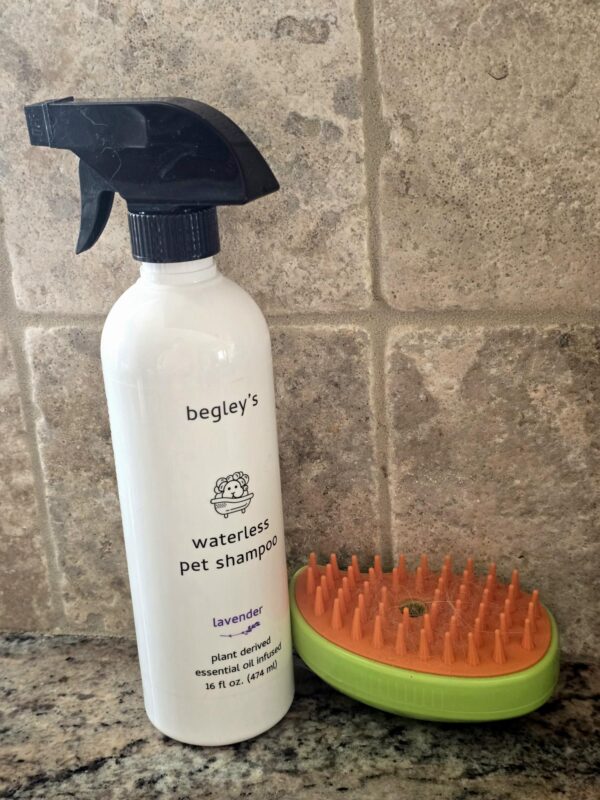
Candles, sprays, and even personal care products like lotions and perfumes contribute, too. Pet products are part of this picture as well. Shampoos, grooming sprays, and wipes often include essential oils, which means exposure doesn’t just come from the air or surfaces. It can also come through direct contact with your cat’s coat. They transfer through touch every time your cat settles into your lap or brushes past your hands.
None of this feels extreme in isolation. But taken together, it creates a pattern of repeated exposure. And for cats, that pattern is what matters most. That’s why understanding how essential oils are used in your home matters more than simply asking if essential oils are safe for cats in theory.
Are Essential Oil Diffusers Safe for Cats?

Diffusers are actually one of the higher-risk sources of essential oil exposure in a home with cats, and that’s worth being direct about.
When a diffuser runs, it releases micro-droplets into the air that can be inhaled directly or settle onto your cat’s fur and eventually be ingested through grooming. In an enclosed space, that exposure builds over time in ways that can be easy to underestimate.
That doesn’t mean diffusers have to go entirely. But the conditions matter a great deal. Short sessions in well-ventilated spaces where your cat can freely leave the room are a fundamentally different situation than a diffuser running for hours in a room your cat sleeps in. Cats with asthma, allergies, or other respiratory conditions face higher risk and are better off without diffuser use in shared spaces altogether.
If you do use a diffuser, keep sessions brief, prioritize airflow, and pay attention to how your cat responds.
Which Essential Oils Require the Most Caution Around Cats?
Tea tree, eucalyptus, peppermint, citrus oils, and lavender come up most often in conversations about oils that require more care around cats.
It’s tempting to treat this as a pass-fail list, but that framing misses something important. Concentration matters. Frequency matters. Whether an oil is airborne, on a surface, or used in a rinse-off product matters. A highly concentrated oil used in a small, enclosed space creates a very different level of exposure than the same oil diluted and used occasionally in an open room.
Rather than memorizing a list of what’s allowed, it’s more useful to treat certain oils as ones that simply require greater caution, especially with repeated use over time.
Lavender is a good example of this nuance. It’s considered milder than many other oils, but concentration and frequency still matter and those details are worth understanding before using it regularly around cats.
How to Create a Safer Home Environment Without Removing Everything
The goal isn’t a scent-free home. It’s an intentional one. In most cases, essential oils can be used more safely around cats when exposure is reduced and spaces are shared thoughtfully.
Ventilation is one of the most effective tools available. Opening a window or allowing airflow can meaningfully reduce how concentrated a scent becomes in a space, often enough to make a real difference without changing your routines significantly.
Location is just as important. Avoid diffusing or using heavily scented products in areas where your cat sleeps, eats, or spends most of their time.
Surface exposure is often the most overlooked piece. The same idea applies to products used directly on your pet. If a grooming product contains essential oils, what’s applied to their coat doesn’t just stay there. It becomes part of their grooming cycle. What your cat walks across is what they eventually groom. Keeping floors and commonly used resting spots clear of concentrated products does more than most people expect.
If you’re using scented cleaning products regularly, it’s also worth taking a closer look at what’s actually in them and how they’re used. Our pet-safe spring-cleaning guide walks through what to watch for and how to make simple swaps without overcomplicating your routine.
And reducing the overall layering of scented products throughout the home, fewer things running at once, less overlap between cleaning products and diffusers and candles, tends to have a bigger cumulative effect than trying to manage each product individually.
Small adjustments. Bigger impact than perfection.
Signs Your Cat May Be Responding to Scent Exposure
The earliest signs tend to be behavioral, and they’re easy to dismiss.
Your cat may stop using a space they previously liked. They may groom more than usual. They may seem unsettled, moving from spot to spot without fully relaxing. These quiet shifts often appear before anything more obvious does.
More noticeable symptoms, like drooling, lethargy, squinting, shaking and muscle tremors, seizures or respiratory irritation or difficulty breathing, are clearer signals that something is off. If you see those, remove the exposure source, move your cat to a well-ventilated space, and contact your vet. You can also call the ASPCA Animal Poison Control Center if you’re unsure about a specific exposure or need immediate guidance.
But most of the time, cats adjust before they react overtly. Those quieter signals are worth paying attention to.
The Simplest Way to Think About Essential Oils and Cats
Not everything needs to go. Not everything is fine.
The answer almost always lives somewhere in the middle, and it’s less about ingredients and more about habits. Fewer products used at the same time. More awareness of where and how they’re used. Enough fresh air that nothing has a chance to concentrate. And enough space that your cat always has somewhere else to be.
That same mindset applies more broadly to your home environment. If you’re looking at the bigger picture, reducing overall household toxin exposure tends to matter more than focusing on a single product. We go deeper into that in our guide on reducing household toxins for pets and what actually made a difference in our home.
That’s it. It doesn’t need to be complicated.
It just needs to be intentional.
So when you’re deciding whether essential oils are safe for cats, it helps to think less about the ingredient and more about the environment your cat is living in every day.
Frequently Asked Questions
Are essential oils toxic to cats?
Some essential oils can be harmful to cats, particularly in high concentrations or with repeated exposure over time. The level of risk depends more on how an oil is used and how frequently your cat encounters it than on the ingredient alone. A single occasional use in a well-ventilated space is a very different situation than daily exposure in a room your cat lives in.
Can I use a diffuser if I have cats?
With caution. Diffusers are one of the higher-risk sources of essential oil exposure for cats because inhalation is a direct route and micro-droplets can settle on fur and be ingested through grooming. If you do use one, keep sessions brief, ensure good ventilation, and make sure your cat can leave the space. Cats with asthma or respiratory conditions should not be in rooms where diffusers are running at all.
Is lavender safe for cats?
Lavender is considered milder than many other oils, but that doesn’t make it without nuance. Concentration and frequency still matter. A lightly diluted product used occasionally in an open space is a different situation than a strong lavender diffuser running daily in a room your cat sleeps in.
Is tea tree oil safe for cats?
No, and it’s worth singling out because it’s one of the more clear-cut cases in this topic. Tea tree oil is harmful to cats even in small amounts, and it shows up in more household products than most people expect, including shampoos, skin treatments, cleaning sprays, and natural first-aid items.
What should I do if my cat is exposed to essential oils?
Remove the source of exposure and move your cat to a space with fresh air. If you notice symptoms like drooling, lethargy, squinting, or any sign of respiratory irritation, contact your veterinarian and/or animal poison control. When in doubt, it’s always worth a call.
Can essential oils affect cats through skin contact?
Yes. Oils can transfer to your cat’s fur through direct touch, including when they settle into your lap or brush against your hands after you’ve applied a lotion, perfume, or body oil. Once it’s on their coat, grooming does the rest. It’s a quieter route of exposure than a diffuser, but a real one.
Are essential oil cleaning products safe to use around cats?
It depends on the product and how it’s used. Surfaces that are rinsed and dried thoroughly create less exposure than ones that air-dry with residue remaining. Floors and low surfaces are the highest concern since those are what your cat walks across and eventually grooms from. If you’re using a scented cleaner regularly, good ventilation and keeping your cat out of the area until surfaces are fully dry makes a meaningful difference.
Are scented candles safe to use around cats?
Scented candles are generally a lighter source of exposure than a diffuser running for hours, but they still contribute to the overall scent load in your home. The same principles apply: ventilation, giving your cat the ability to leave the space, and being mindful of how often they’re used in rooms where your cat spends most of their time.
Can essential oils make cats sick gradually, without an obvious reaction?
Yes, and this is the part that’s easiest to miss. Cats are more likely to show subtle behavioral changes before anything obvious appears. Avoiding a space they used to rest in, grooming more than usual, or seeming generally unsettled can all be early signals. Cumulative exposure over time is worth paying attention to even when nothing looks dramatically wrong.
At Joyfolk Pets, we believe wellness begins in the everyday moments we share with our animals.
Rooted in nature. Made with heart.