Pet-Safe Spring Cleaning: A Natural Guide for Dog and Cat Owners

Why Spring Cleaning With Pets Requires a Different Approach
Pet-safe spring cleaning often begins with the same hopeful signs of the season.
Windows open a little wider. The air feels softer. Rugs are dragged outside and shaken clean. Closets are sorted. Surfaces wiped down. The whole house begins to feel like a reset.
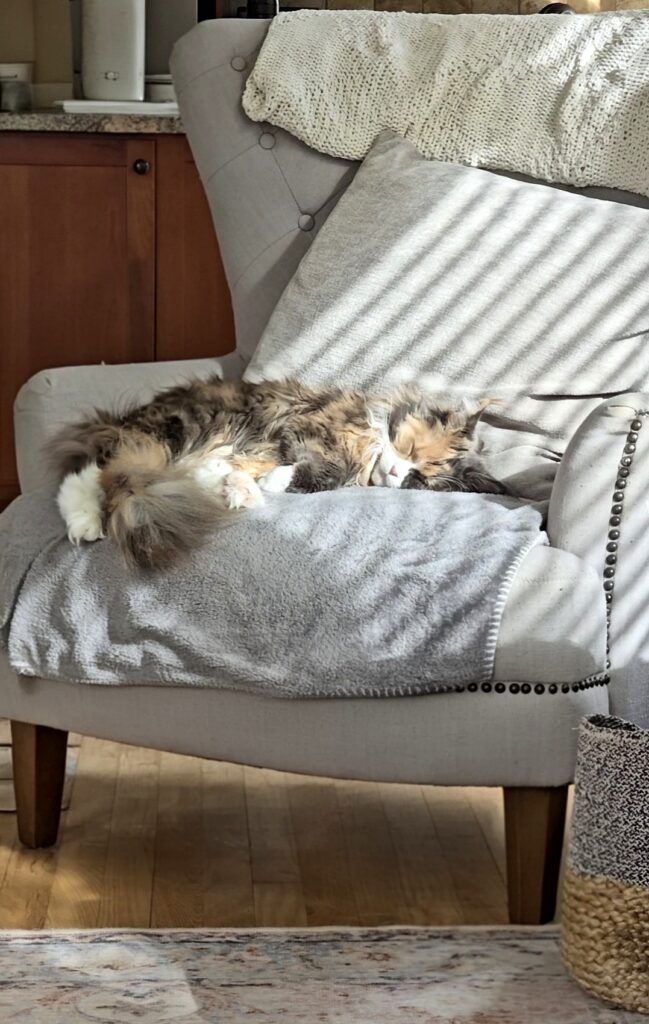
In our home, it also means Boomer stretching out in the patch of sun by the back door. Luna chasing dust motes drifting through a beam of afternoon light. Penelope supervising everything from a safe, queenly perch.
But over the years I’ve learned something simple – clean does not always mean safe.
Many products marketed for deep cleaning leave behind residues we never see. Floors that look spotless can still hold chemical traces. Air that smells “fresh” may carry irritants our pets breathe at ground level.
Dogs walk through it. Cats groom it off their paws. Neither one gets to choose their exposure.
Pet-safe spring cleaning isn’t about fear. It’s about awareness. About understanding what we bring into the spaces our animals trust completely.
Common Spring Cleaning Products That Aren’t Safe for Pets
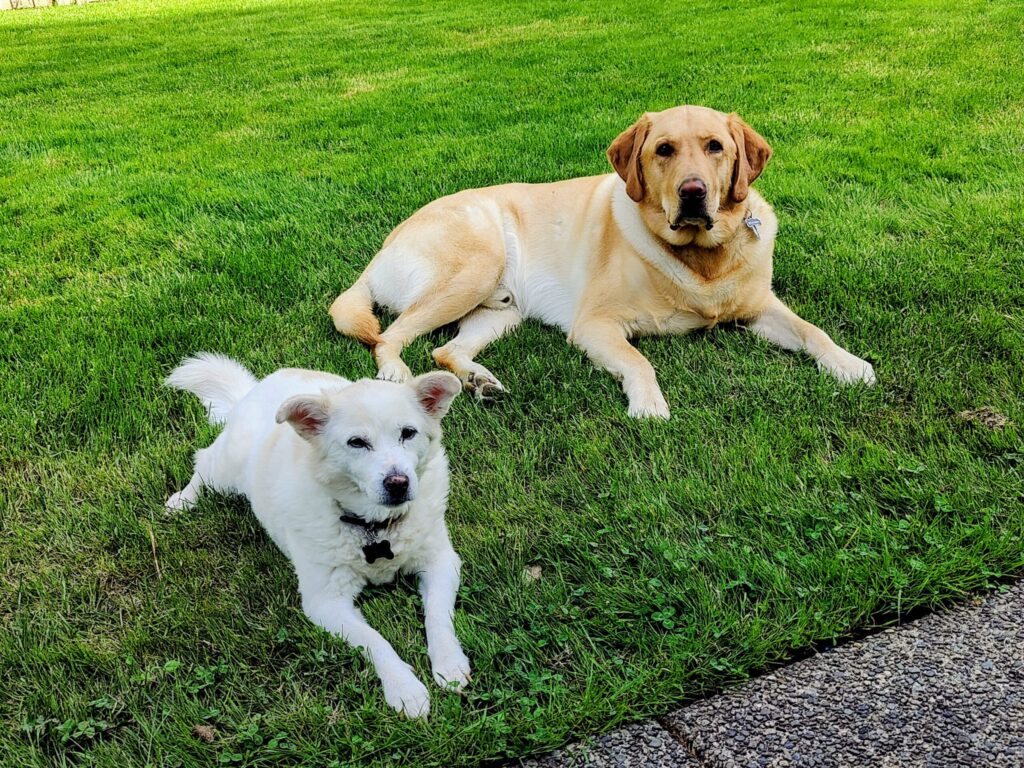
Pet-safe spring-cleaning means choosing cleaning products and routines that avoid chemical residues, strong fumes, and ingredients known to irritate or harm dogs and cats.
Spring cleaning often brings out stronger products throughout the home. Disinfecting sprays for kitchens and bathrooms. Carpet treatments. Deep scrubs for tile and grout. Air fresheners meant to make the house smell clean once the work is finished.
Outside, the seasonal reset continues with lawn fertilizers, weed control, and pest treatments in gardens and yards.
Not every product that leaves a home looking clean is actually safe for the animals living in it.
Bleach and ammonia-based cleaners release strong fumes that can irritate sensitive respiratory systems. Residue left behind on floors can also affect paws and skin, especially for dogs who stretch out on freshly cleaned surfaces.
Phenol-based disinfectants are particularly problematic for cats. Their bodies process certain compounds differently than dogs and humans, which means even small exposures can cause issues. Many common household disinfectants contain phenols.
Concentrated essential oils such as tea tree, eucalyptus, citrus, and peppermint can also create problems for pets. In diffusers or surface sprays, these oils may irritate skin and airways or become toxic if ingested during grooming. Even products labeled “natural” can affect animals very differently than people.
Synthetic fragrances present another challenge. They are often mixtures of undisclosed chemicals, and what smells pleasant to us can linger at floor level where pets breathe, sleep, and groom themselves.
Outdoor products deserve just as much attention. Lawn fertilizers, weed killers, and insect treatments can cling to paws and fur long after the yard appears dry. Dogs track those residues back inside, and cats may ingest them later during grooming.
If you want to understand more deeply how these everyday exposures build over time, I explore that further in Clean Home, Healthy Pets: Understanding Toxins and Everyday Exposure.
What to Use Instead: Pet-Safe Cleaning Alternatives

Spring cleaning doesn’t require stronger products. It usually requires a little more intention.
The goal isn’t to sterilize your home. It’s to reset it.
In our house, that has meant choosing products and routines that leave less behind. Sometimes that looks like simpler ingredients. Sometimes it means skippinSpring cleaning doesn’t require stronger products. It usually requires a little more intention.
The goal isn’t to sterilize your home. It’s to reset it.
In our house, that has meant choosing products and routines that leave less behind. Sometimes that looks like simpler ingredients. Sometimes it means skipping fragrance entirely. Other times it’s as simple as rinsing thoroughly instead of assuming that “green” automatically means safe.
Many everyday cleaning tasks can be handled safely with fragrance-free products, simple ingredients, and thorough rinsing that prevents residue from building up where pets live.
Practical guidelines for pet-safe spring cleaning:
- Choose fragrance-free products whenever possible
- Rinse floors and surfaces thoroughly after cleaning
- Allow full drying time before pets return to the area
- Avoid diffusing essential oils in enclosed spaces
- Keep windows open when using any stronger product
- Use white vinegar and water for general surface cleaning
- Choose plant-based cleaners without added fragrance
None of these changes are extreme. They’re small adjustments that reflect how dogs and cats actually experience our homes. They live close to the floor. They groom constantly. And they spend far more time in contact with the surfaces we clean than we do.
For specific product swaps and cleaning routines that have worked in our home, see Reducing Household Toxins for Pets: What’s Actually Made a Difference in Our Home.
How to Clean Different Areas of Your Home Safely With Pets
Once the products are simpler, the next step is thinking about how different areas of the home are cleaned.
Kitchen and Food Areas
Hot water and castile soap work well for most counters and food preparation surfaces. A simple vinegar-and-water solution can handle everyday kitchen cleaning without leaving behind strong residues. After cleaning, rinse surfaces thoroughly and allow them to dry before pets return to the area.
Bathrooms
Baking soda and vinegar can handle most bathroom cleaning tasks without the heavy fumes that come with stronger products. For tougher buildup, hydrogen peroxide works well as a spot treatment. Keep pets out of the room while cleaning and until all surfaces are completely dry.
Floors
Hot water alone removes more dirt and debris than most people expect. For deeper cleaning, use a small amount of plant-based, fragrance-free floor cleaner diluted in water. Afterward, rinse with clean water, especially in areas where pets spend time resting or walking.
Carpets and Upholstery
Start by vacuuming thoroughly to remove loose hair, dust, and debris. For spot cleaning, baking soda or a pet-safe enzyme cleaner usually works well. Avoid carpet powders and aerosol fabric fresheners, which leave residues that pets can inhale or ingest while grooming.
Outdoor Areas
If fertilizers, weed control products, or pest treatments are used in the yard, allow treated areas to dry completely before pets return. Follow label directions carefully and choose pet-safe or low-toxicity options when possible. After time in treated grass or garden beds, wiping paws with a damp cloth or rinsing them briefly can help reduce residues that pets might track back into the home.
A Cleaner Home Without Compromise
Pet-safe spring cleaning isn’t really about perfection. It’s about remembering who moves through the same spaces we do.
Dogs stretch out on the rug you just vacuumed. Cats curl into the quiet corners you wiped down. They breathe the same air, walk across the same floors, and trust the environment around them without ever questioning it.
Over time, that realization changes the way you look at ordinary routines. The products under the sink. The spray you reach for without thinking. The scent that lingers long after the cleaning is finished.
A seasonal reset becomes something quieter than a deep clean. It’s simply a moment to pause and notice.
Maybe it’s opening the windows instead of masking the air. Rinsing the floors a little longer. Choosing fragrance-free when it makes sense. Letting fresh air and sunlight do part of the work.
None of it has to be extreme. Most of the time it’s just a handful of small choices that make a home feel lighter, calmer, and easier to live in.
And for the animals who share our space every day, those small choices matter more than we realize.
Frequently Asked Questions About Pet-Safe Spring Cleaning
What cleaning products are toxic to dogs and cats?
Bleach, ammonia, phenol-based disinfectants, pine-scented cleaners, and some products containing essential oils can all be harmful to pets. These ingredients may irritate the respiratory system, skin, and digestive tract if animals inhale fumes, walk across treated surfaces, or ingest residue during grooming.
Possible symptoms of exposure include drooling, vomiting, difficulty breathing, or skin irritation. If any of these occur after a cleaning product is used, contact your veterinarian or an animal poison control center.
Can I use vinegar to clean around my pets?
Yes. Diluted white vinegar is widely considered one of the safest cleaning options for homes with pets. It works well for many everyday tasks, including wiping surfaces, deodorizing fabrics, and removing mild buildup. While the scent can be strong initially, it dissipates quickly once surfaces dry and does not leave harmful chemical residue behind.
Are natural cleaning products always safe for pets?
Not always. The word “natural” does not automatically mean pet-safe. Some plant-based ingredients can still irritate animals, particularly when used in concentrated forms. Many natural cleaners contain essential oils or botanical extracts that may cause problems for dogs or cats. Always check ingredient lists and avoid products that contain strong fragrances or concentrated oils.
Are essential oils safe to use when you have pets?
Essential oils require caution in homes with pets. Oils that are commonly used in human wellness products can irritate animals, especially when diffused into the air or applied to surfaces pets frequently touch.
Cats are particularly sensitive because their livers process certain compounds differently than dogs and humans. Oils such as tea tree, eucalyptus, peppermint, citrus, and pine are commonly associated with adverse reactions in pets. If essential oils are used in a home with animals, they should always be highly diluted, used in well-ventilated areas, and never applied directly to pets or to surfaces they regularly walk or sleep on. When in doubt, consult your veterinarian before introducing essential oils into your home environment.
How long should I keep my pets away from a freshly cleaned area?
Pets should stay out of recently cleaned spaces until surfaces are completely dry and the area is well ventilated. For most water-based cleaners, this typically means waiting about 30 minutes to an hour.
If stronger cleaning products were used, allow several hours and make sure surfaces have been rinsed thoroughly before pets return.
Is steam cleaning safe for homes with pets?
Steam cleaning with water alone is generally considered safe and can be an effective way to clean floors and carpets without leaving chemical residue behind. The high temperature helps loosen dirt and bacteria without relying on cleaning agents. Pets should still be kept out of the area until surfaces have cooled and fully dried.
What should I do if my pet is exposed to a cleaning product?
Remove your pet from the area immediately. If the product contacted their paws or skin, rinse the area thoroughly with clean water. If the product may have been ingested, or if your pet shows symptoms such as vomiting, drooling, coughing, or difficulty breathing, contact your veterinarian or an animal poison control center as soon as possible.
At Joyfolk Pets, we believe wellness begins in the everyday moments we share with our animals.
Rooted in nature. Made with heart.


Loved the article and how you explained the importance of using non-toxic ingredients to clean. You also provided examples to use.