Spring Dog Care: Shedding, Mud, and the Daily Reset That Actually Helps
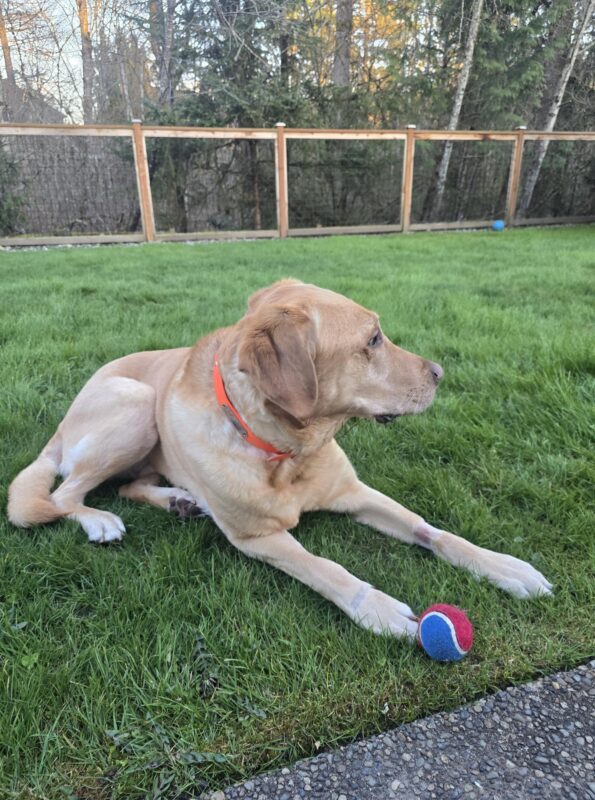
Spring Arrives All at Once When You Have a Dog
There’s a particular kind of Pacific Northwest spring morning where the sky looks entirely convincing. Blue, calm, dry enough that you grab a lighter jacket and head out without a second thought.
By the time you’re back, Boomer has mud between every toe.
That’s spring with a Labrador in the Pacific Northwest. It doesn’t ease in. It lands. And it asks you to adjust before you’ve quite registered that the season has changed.
This isn’t a guide to overhauling your routine. It’s about the small, deliberate shifts that make spring dog care feel manageable rather than reactive. The kind of adjustments that compound quietly over weeks until suddenly the house is cleaner, the coat is healthier, and your walks feel less like damage control.
Why Dogs Shed More in Spring (And What’s Actually Happening)

Most people assume shedding is about temperature. It isn’t.
The trigger is photoperiod, the lengthening of daylight hours as the season shifts. As days grow longer, that increase in light signals the pineal gland, which regulates melatonin, and that hormonal shift tells your dog’s body it’s time to release the winter coat. Temperature plays a supporting role, but light is driving the process.
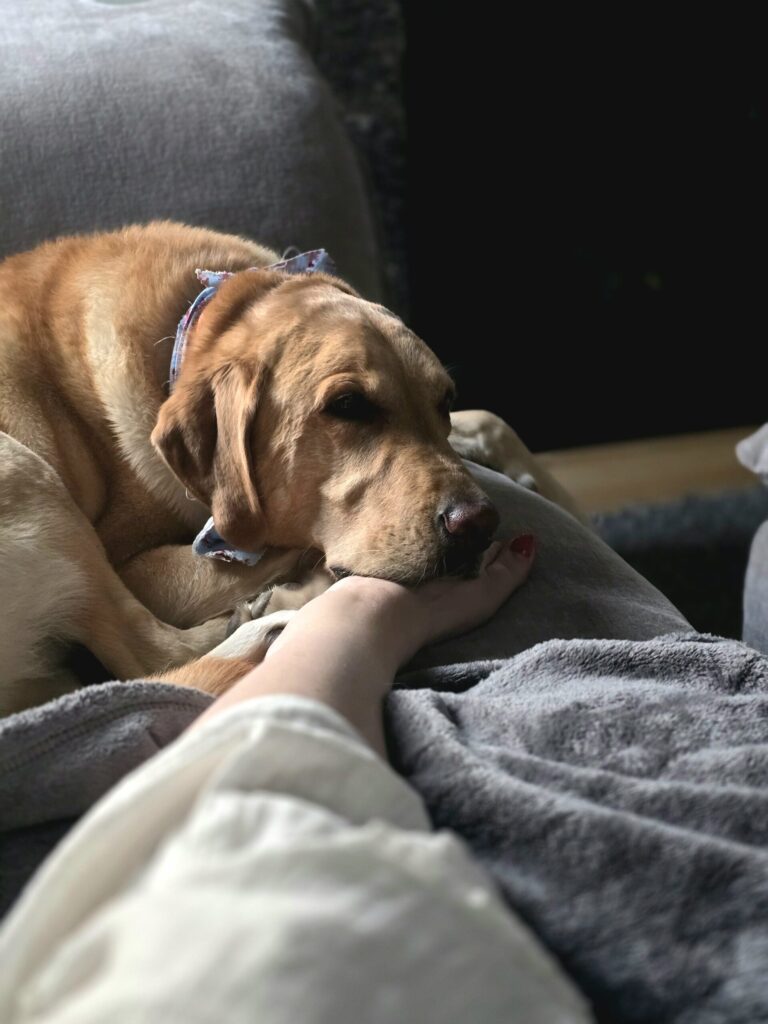
For a Lab, this shows up in a particular way. Not in dramatic clumps like you’d see with a Husky or a Golden, but in a steady, pervasive release that finds its way onto every surface in the house. Some days it comes off easily with a brush. Other days it seems to be everywhere at once, on the floor, on blankets, on the back of the couch where he often enjoys time next to me.
This is the body doing exactly what it’s meant to do. Supporting it looks like consistent brushing, good nutrition, and keeping the skin underneath healthy as the coat transitions. Fighting it, over-bathing, skipping brushes, hoping it resolves on its own, just prolongs the process.
The Mud Problem Is Really a Coat Problem
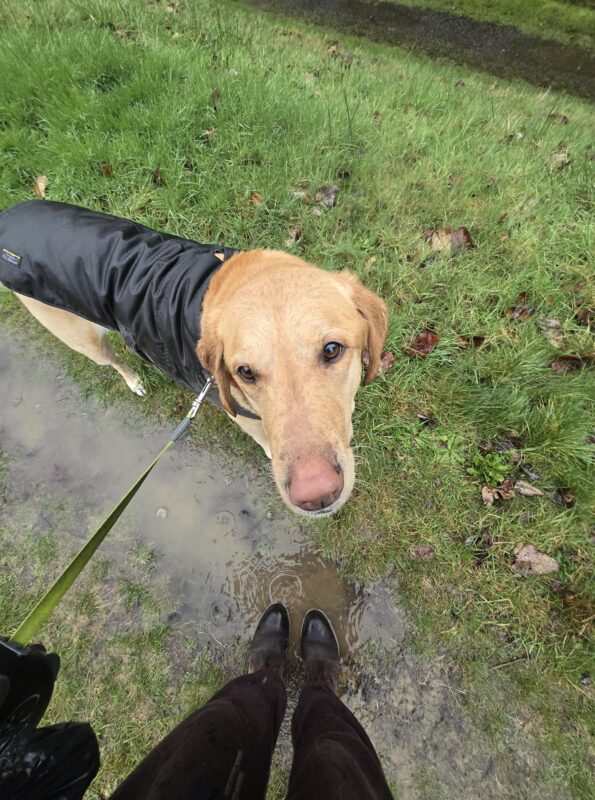
A dog in the middle of a seasonal shed picks up everything.
The loosening undercoat creates a texture that holds onto moisture and debris in a way a settled, healthy coat doesn’t. That’s why spring mud season feels more intense than it actually is. It’s not just that the ground is wetter. It’s that the coat is more receptive to everything the ground is carrying.
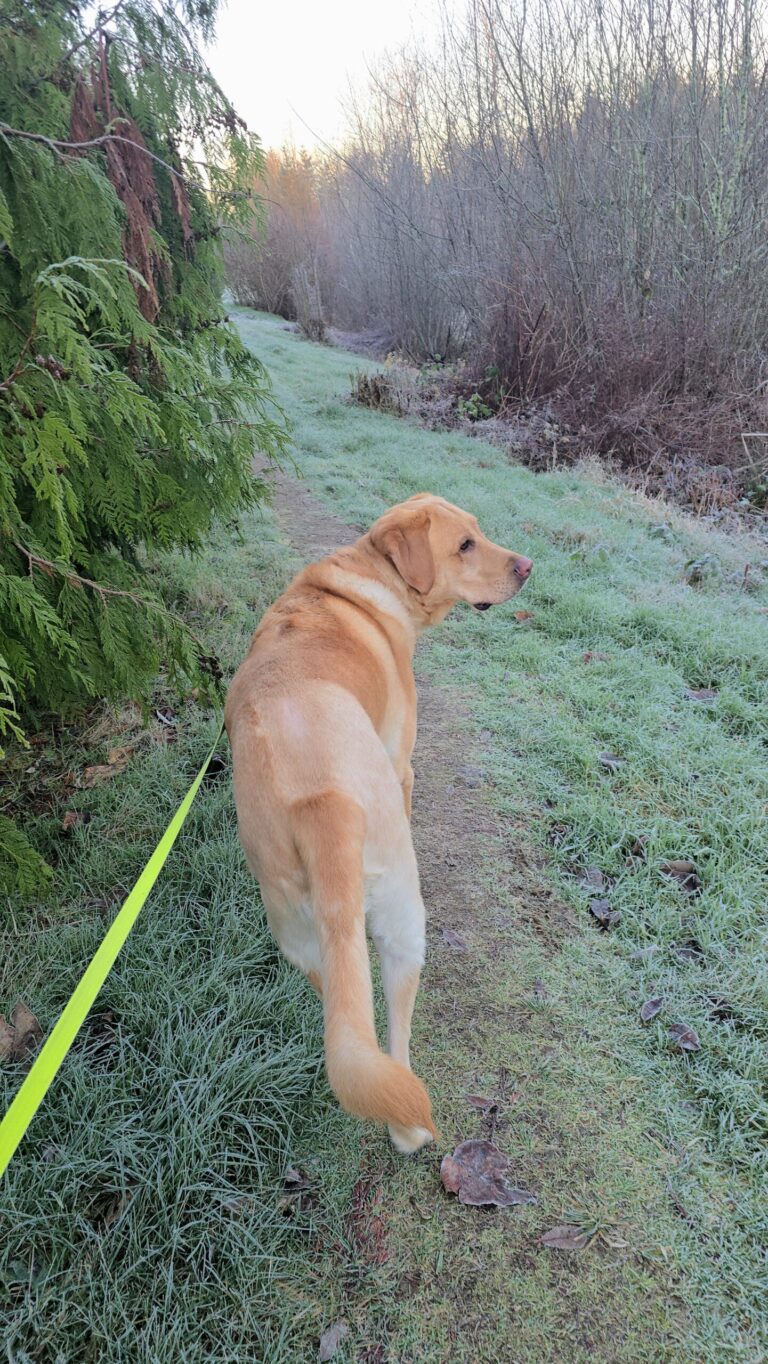
Here in the Pacific Northwest, that means trail dust, wet bark, pine needles, and soil that holds moisture for days after rain. A walk that looks dry on the surface still sends Boomer home with damp paws and a coat that smells like the woods in the best possible way, and carries half of them with it.
The reset after every walk has become non-negotiable in our house. A designated towel by the door, used every single time. Paws first, working between the toes where debris collects. Then a light pass over the coat if it feels damp or heavy. Two minutes, done consistently, prevents the kind of buildup that turns into a weekend project.
If you’re refreshing your home this season, our pet-safe spring-cleaning guide covers which common cleaning products aren’t safe around pets and what to use instead.
A Brushing Rhythm That Actually Keeps Up

Spring brushing isn’t about removing as much fur as possible in a single session. That approach leads to long, infrequent sessions that stress the dog and still leave you behind.
What works better is frequency over intensity.
A few shorter sessions each week, timed for after walks when the coat has already been disturbed, does more than one thorough Sunday grooming. The coat releases more easily when it’s been active. The dog is calmer when brushing is a familiar, unremarkable part of the routine rather than an occasional event.
For Boomer, I keep sessions calm and consistent. No aggressive raking. No rushing through knots. Just steady, deliberate brushing that works with the coat’s natural release rather than against it.
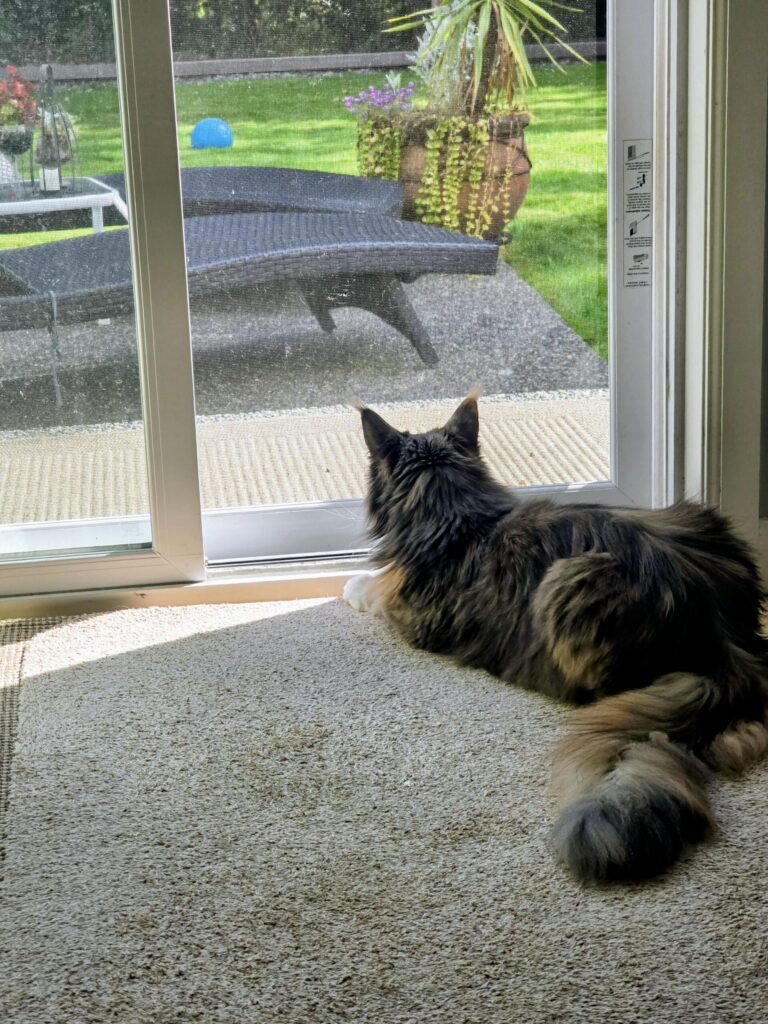
If you have cats moving through a spring shed alongside your dog, the approach translates, though the tools and coat dynamics differ. Our spring cat care guide covers the seasonal transition for cats specifically.
Water, Wildlife, and What to Watch For Outside
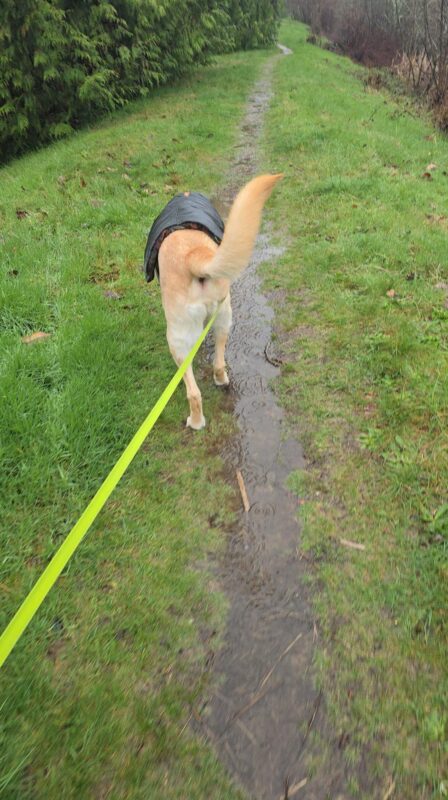
More time outside in spring means more exposure to the environments dogs share with other animals, and that’s where awareness earns its place in the routine.
Standing water is the most common concern. Puddles, drainage areas, slow-moving streams, and low spots on trails can carry Giardia, leptospirosis, and other waterborne pathogens that dogs pick up without hesitation. Labs in particular will drink from anything that holds water, and Boomer is no exception.
Giardia is worth understanding specifically because it’s so common and so frequently misattributed to something else. Our guide to Giardia in dogs covers the symptoms, transmission, and what to do if you suspect your dog has been exposed.
Beyond water, spring is also when wildlife becomes more active on trails, and interactions that are harmless most of the year carry different stakes when animals are nesting or protecting young. If you’re hiking with your dog this season, our hiking with dogs safely guide covers trail awareness, wildlife encounters, and the practical decisions that make a difference on the trail.
When to Look Closer
Most of what you’re seeing this season is normal. More shedding, more dirt, more variation in the coat as it transitions. The instinct to intervene is understandable, but spring is largely a season to observe and support rather than correct.
That said, a few things are worth paying attention to. Shedding that seems excessive even relative to previous springs, particularly if it’s accompanied by thinning patches or changes in coat texture, can signal nutritional gaps or thyroid involvement and is worth a conversation with your vet. Skin that looks irritated, flaky, or reactive after outdoor exposure may be responding to something environmental. And behavioral shifts after walks, changes in appetite, unusual lethargy, or digestive upset, are often the first sign that something was ingested or contacted outside.
Most springs pass without incident. But the dogs who stay healthiest are the ones whose people are paying quiet, consistent attention.
A Routine That Grows With the Season
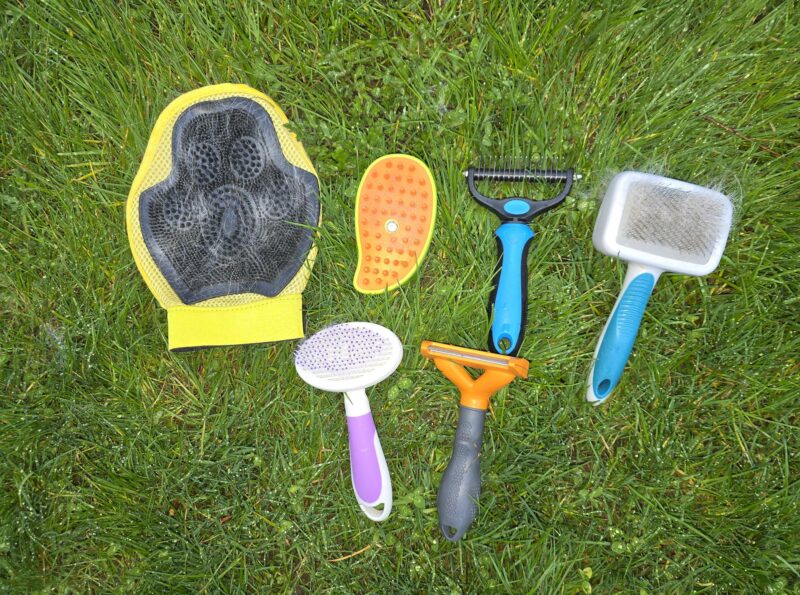
Spring dog care isn’t a project with a start and an end. It’s a rhythm that adjusts as the season deepens, then settles back when it’s done.
The towel by the door becomes automatic. The brushing sessions get shorter as the coat stabilizes. The awareness around water and wildlife becomes second nature on familiar trails.
And somewhere in the middle of it, the season stops feeling like something to manage and starts feeling like what it is. More time outside with your dog, in the particular light that only comes this time of year in the Pacific Northwest, when everything is green and a little muddy and entirely worth it.
Frequently Asked Questions
What is spring dog care and why does it matter?
Spring dog care refers to the seasonal adjustments in grooming, hygiene, and outdoor awareness that support your dog’s health as the environment changes. Longer days, wetter ground, increased outdoor exposure, and seasonal shedding all create conditions that benefit from a more intentional routine.
Why is my dog shedding so much in spring?
Seasonal shedding is triggered by longer daylight hours, not temperature. Increased light signals a hormonal shift that tells your dog’s body to release the winter coat. Dogs with double coats or thick undercoats tend to shed most heavily.
How often should I brush my dog during spring shedding season?
A few short sessions per week is more effective than infrequent long ones. Brushing after walks, when the coat has already been disturbed, tends to produce the best results with the least effort.
Why does my dog come home dirty even when it hasn’t rained?
A coat in the middle of a seasonal shed is more porous and receptive to debris. Spring soil also holds moisture well below the surface, so paws and fur pick up more than they would in summer or winter.
Should I wipe my dog’s paws after every spring walk? Y
es. A consistent towel routine after every walk, paws first, prevents moisture and debris from spreading through the house and reduces the chance of your dog tracking in anything picked up on the trail.
Is it safe for dogs to drink from puddles or streams in spring? It’s best to discourage it. Waterborne pathogens including Giardia and leptospirosis are more prevalent in spring runoff and standing water.
At Joyfolk Pets, we believe wellness begins in the everyday moments we share with our animals. Rooted in nature. Made with heart.