Can Dogs Get Giardia From Creeks and Puddles? What Every Trail Dog Owner Should Know
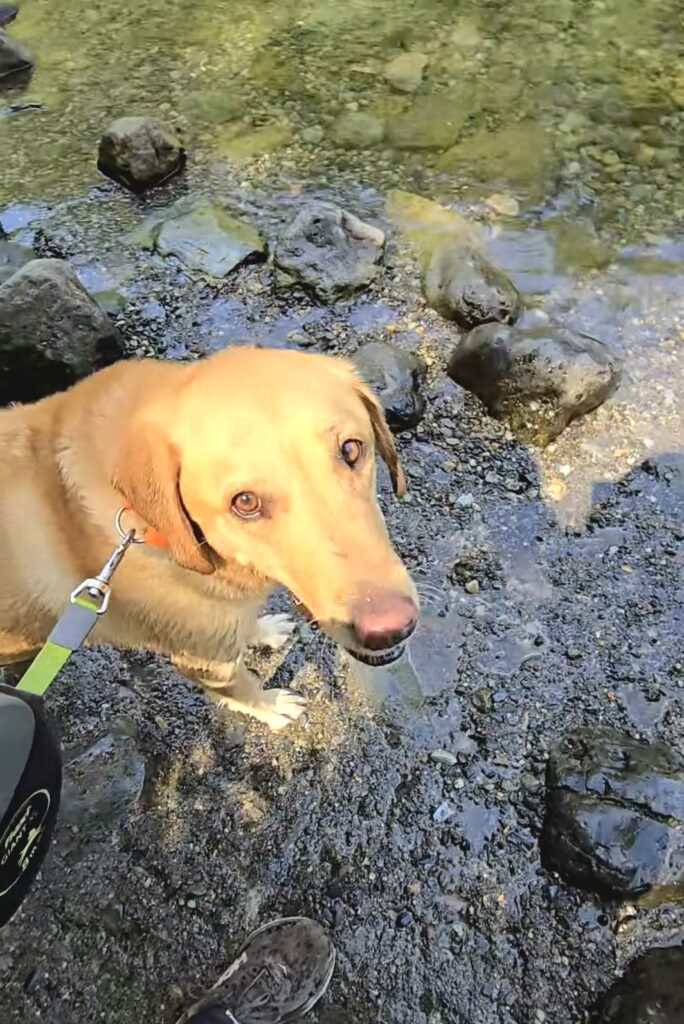
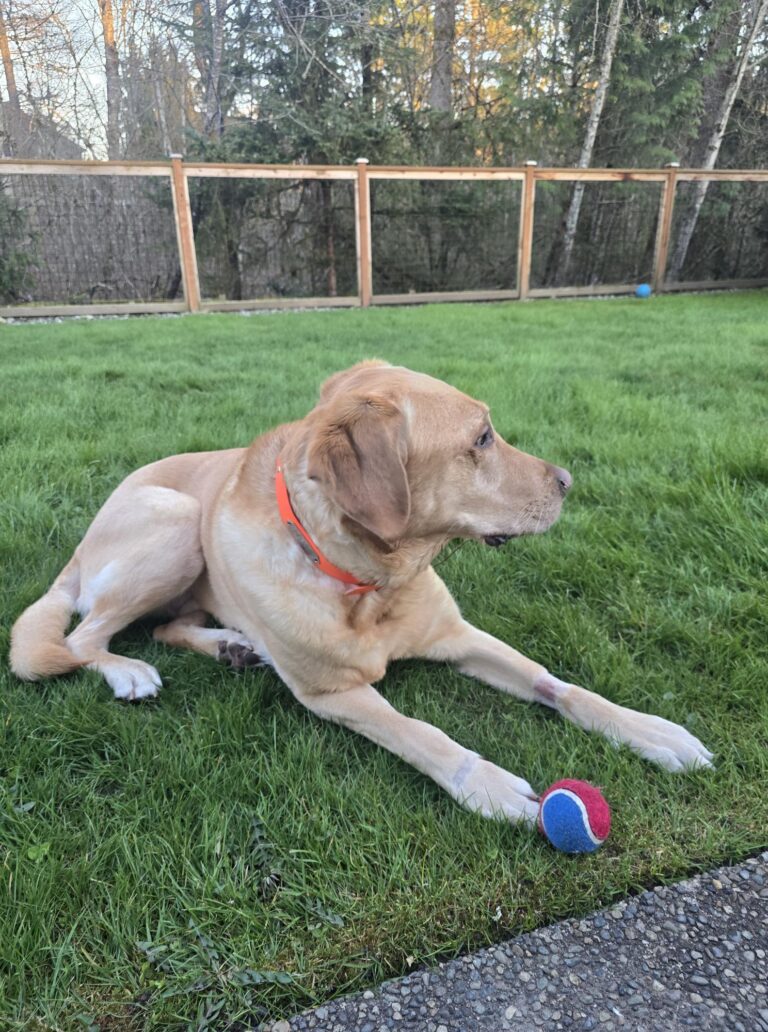
Boomer is a typical lab. If there is water nearby, he will find it.
On our hikes here in the Pacific Northwest, that means streams, puddles, runoff along the trail, and sometimes water I would rather not think too hard about. He drinks from it, plays in it, and if I am not paying attention, he will happily help himself before I can stop him.
If you hike often, you have probably wondered at some point whether dogs should be drinking from creeks or puddles at all. If you’re new to hiking with your dog or thinking about trail safety more broadly, I share a deeper look at what to watch for in Hiking With Dogs Safely: Trail Risks, Wildlife Awareness, and Essential Tips.
For a long time, I assumed this was just part of the experience. Dogs drink from natural water sources. It seemed normal.
Then Boomer ended up with Giardia, and what surprised me most was how easy it was to miss.
Why Dogs Drink From Creeks and Puddles
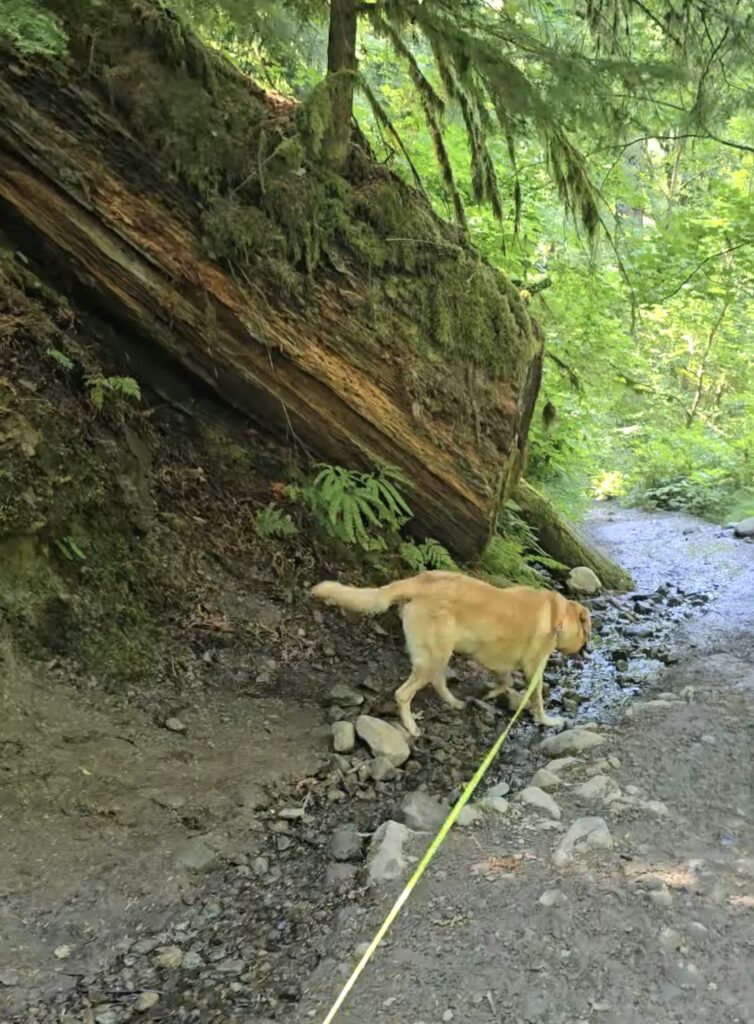
Dogs don’t evaluate water the way we do.
Moving water, new smells, and the chance to explore all pull them in. For some dogs, especially labs, water is part instinct and part joy. Boomer doesn’t hesitate. If there’s water, he’s in it or drinking from it before I have a chance to react.
It’s natural behavior. The problem is that natural water sources aren’t always as clean as they look, and there’s no reliable way to tell just by looking at them.
Can Dogs Drink From Creeks or Puddles Safely?
Sometimes, but not reliably.
A clear mountain stream can still carry bacteria or parasites. Water that looks clean can be contaminated by wildlife, runoff, or other dogs using the same source. Letting your dog drink from a creek won’t always lead to a problem, but when it does, it often comes as a surprise. Most of the time, you won’t know anything was wrong until later.
What Is Giardia in Dogs?
Giardia is a microscopic parasite that lives in the intestinal tract and disrupts normal digestion. It spreads through contaminated water, infected feces, or contact with surfaces that carry the cysts. Dogs can pick it up by drinking from creeks or puddles, stepping in contaminated areas and licking their paws, or being exposed to infected feces on the trail.
It is one of the most common infections in dogs that spend regular time outdoors, and it does not always announce itself clearly.
How Dogs Get Giardia on Trails
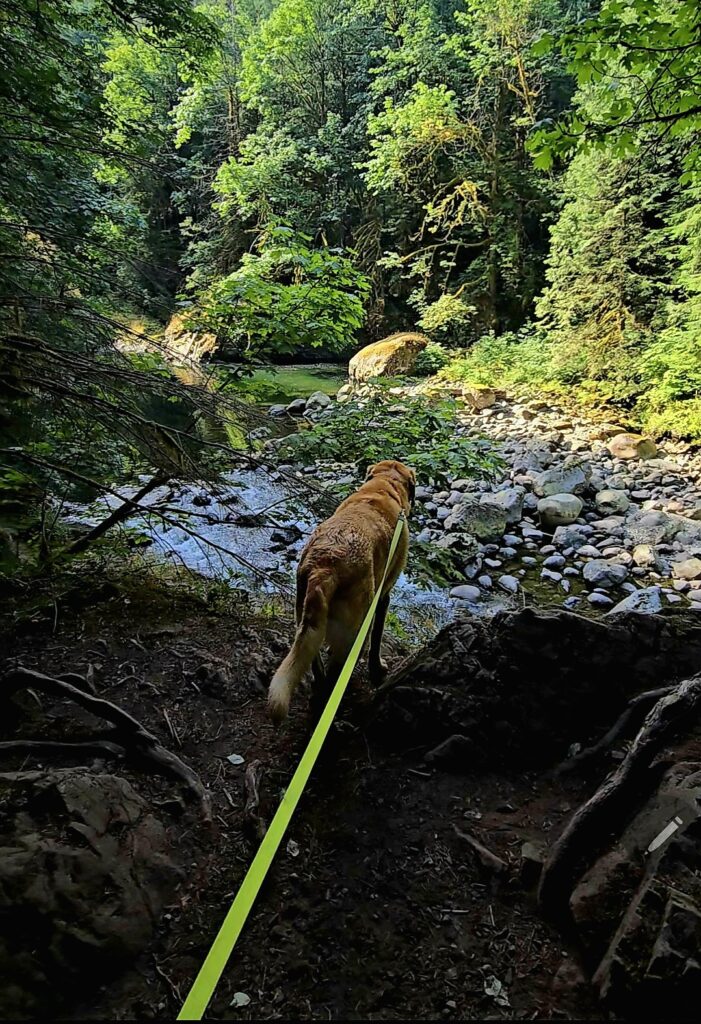
Trails bring together everything that increases risk.
Wildlife moves through the same areas. Other dogs use the same water sources. Rain and runoff carry contaminants into low spots and puddles, turning even small areas into shared exposure points. Even a shallow puddle or slow-moving stream can become a source.
In Boomer’s case, there wasn’t a single clear moment where I knew it happened. But looking back, there were plenty of opportunities on every hike. He drinks from everything.
The Symptoms I Almost Missed
This is the part that surprised me the most.
Boomer didn’t have the obvious symptoms I would have expected. There were a few times his stool was softer than normal, but that is not completely unusual for him. He eats things he shouldn’t when we’re out, and it wasn’t consistent, so it didn’t raise concern.
The bigger sign was something I almost ignored. He had gas a handful of times. For many dogs that might not stand out, but Boomer doesn’t typically have gas. He eats well, his normal diet works for him, and it is just not something we deal with.
I noticed it felt like a change. But it only happened a couple of times and didn’t seem like enough to mean anything.
It wasn’t until I read more about Giardia after his diagnosis that it clicked. The parasite interferes with how the gut absorbs nutrients and water, which is why soft stools, gas, and occasional digestive upset are often the only signs. They’re easy to dismiss individually. That small change had been a signal all along.
Why Routine Testing Matters More Than You Think
We didn’t discover Giardia because of symptoms. We found it during a routine fecal test.
That was the turning point for me. It’s easy to assume something is wrong only when symptoms are obvious. But dogs can carry parasites without showing clear signs, and for dogs that hike, swim, and spend time outdoors regularly, routine testing catches what you would otherwise miss.
How We Treated Giardia

Once the test came back positive, our vet started Boomer on a short course of Panacur. The treatment lasted about seven days and he tolerated it well.
What required more attention was everything around it. We were more mindful about cleaning. Bowls, bedding, and the areas he spent the most time in all needed extra attention. I washed his bedding multiple times a week, switched to washable blankets, and pulled up toys that were harder to keep clean. The goal was to avoid reinfection while he was recovering.
I was also more aware of the possibility of it spreading to other pets and, in some cases, to people in the household. The risk is generally considered low, but it was enough to make me more consistent with cleaning and handwashing.
In our case, the symptoms were mild. But even a mild infection is worth taking seriously. As always, work through treatment with your veterinarian since every dog and situation can be a little different.
How to Reduce the Risk on the Trail
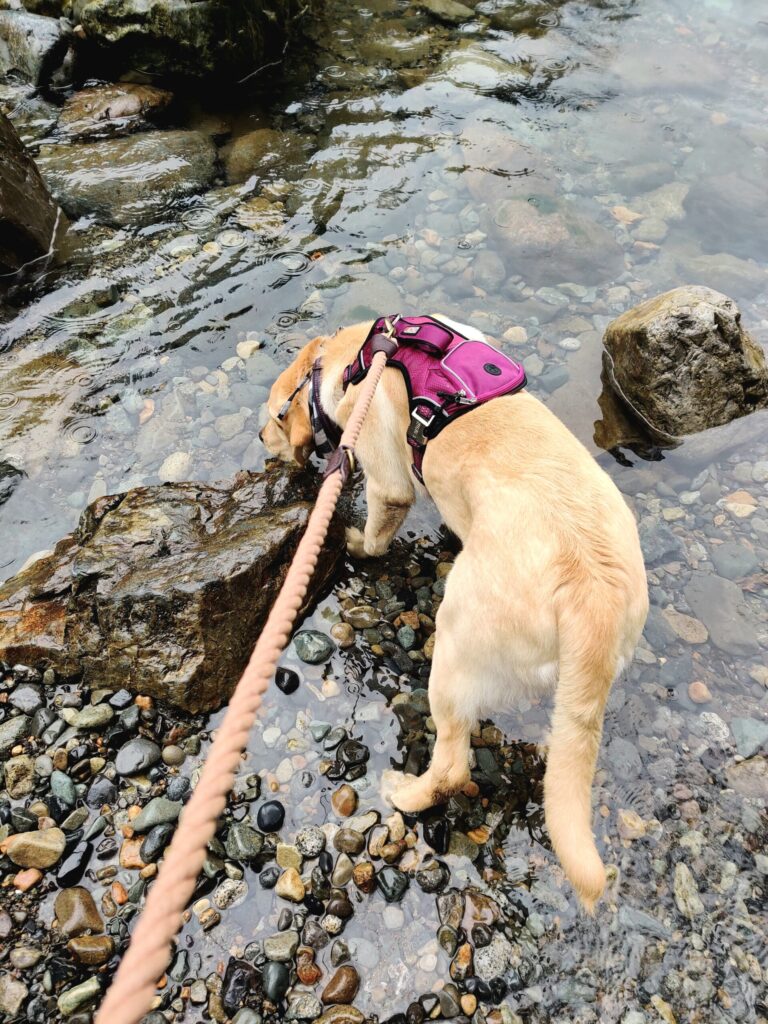
You don’t have to eliminate every risk to hike safely. A few simple habits make a real difference.
Bring your own water so your dog isn’t relying on puddles or streams along the trail. Redirect early because it is much easier to stop them before they start drinking than after. Be more cautious around standing water since puddles and slow-moving water tend to carry more risk than faster-moving streams.
Teaching a solid “leave it” command is especially useful on the trail. Water, wildlife droppings, and unfamiliar objects all become fair game when dogs are off in nature mode, and a reliable leave it gives you an easy out before the moment passes.
After hikes, wipe paws if they’ve been in water and stay consistent with routine vet care. None of these steps are complicated, but they’re the kind of habits that are easy to overlook until something happens.
Should You Let Your Dog Drink From Creeks?
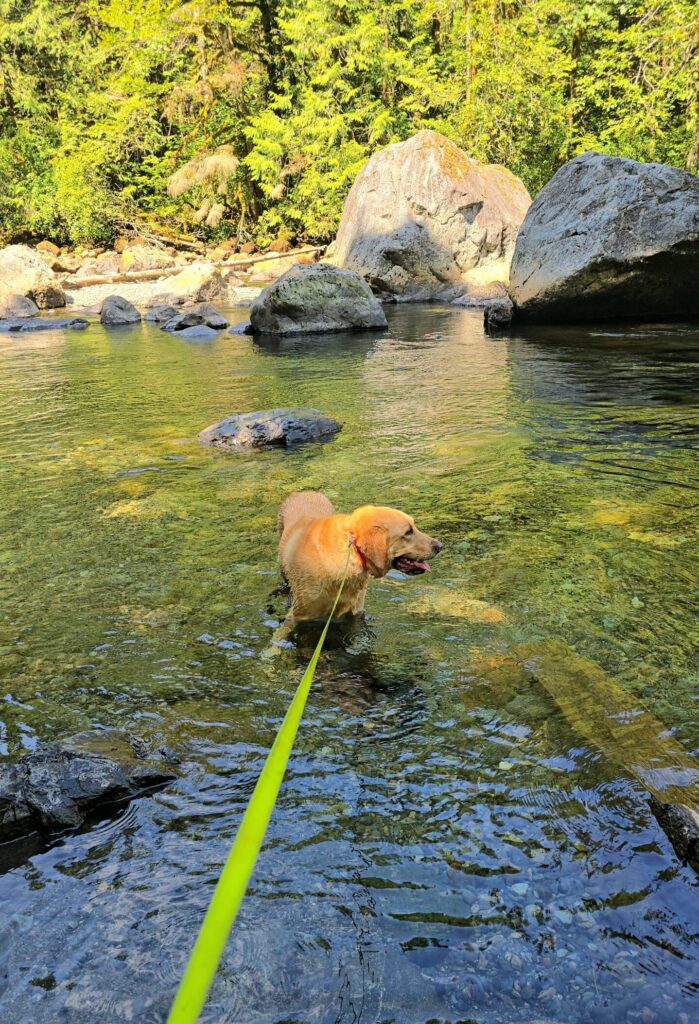
Some dogs drink from natural water their entire lives without issue. Others pick up something after a single exposure. There isn’t a clear answer.
After going through this with Boomer, I’m more intentional. I bring water, redirect when I can, and pay closer attention to small changes that don’t seem like much at first.
So can dogs drink from creeks or puddles safely? Sometimes. But not reliably.
It’s less about avoiding every risk and more about staying aware of the ones you can actually control.
Hiking together is still one of the best parts of our week. This is just part of doing it with a little more awareness.
Frequently Asked Questions
Can dogs drink from creeks or puddles safely?
Dogs can drink from creeks or puddles, but it is not always safe. Even clear water can carry parasites like Giardia, so bringing your own water is the most reliable option.
Is stream water safe for dogs?
Not always. Natural water sources including streams, rivers, and puddles can carry bacteria, parasites, and contaminants from wildlife or runoff even when they look clean. Faster-moving water is generally lower risk than standing water, but neither is guaranteed safe.
What are the symptoms of Giardia in dogs?
Common symptoms include diarrhea, soft or greasy stools, gas, vomiting, lethargy, and occasional weight loss. In some cases symptoms are mild or inconsistent, which makes them easy to overlook.
Can dogs have Giardia without symptoms?
Yes. Some dogs carry Giardia without obvious symptoms, which is why routine fecal testing matters, especially for dogs that spend regular time outdoors.
How do dogs get Giardia on hikes?
Dogs typically get Giardia by drinking contaminated water, stepping in it and licking their paws, or being exposed to infected feces on trails.
Should I stop my dog from drinking from puddles?
You don’t have to control every situation, but being more intentional helps. Bringing water, redirecting early, and paying attention to where your dog drinks can meaningfully reduce risk.
Can Giardia spread from dogs to humans?
Giardia can spread to humans, but the risk in most households is considered low. Good hygiene including handwashing and cleaning shared surfaces helps reduce that risk.
Can Giardia spread to other pets in the household?
Yes. Giardia can spread to other pets through shared environments like water bowls, bedding, or contaminated surfaces. During treatment it helps to avoid sharing bowls, wash bedding regularly, and keep commonly used areas clean.
Is creek or river water safer than puddles for dogs?
Moving water is generally lower risk than standing water, but it is not guaranteed safe. Contamination can still be present even in clear, fast-moving streams.
At Joyfolk Pets, we believe wellness begins in the everyday moments we share with our animals.
Rooted in nature. Made with heart.