Winter Wellness for Dogs & Cats: Gentle Support During the Cold Months
What Winter Asks of Our Pets
Winter doesn’t usually arrive all at once. It settles in quietly through shorter days, colder mornings, and fewer spontaneous moments outside. And then you notice. Your dog is slower getting up. Your cat is sleeping more. Energy feels different. Winter wellness for dogs and cats isn’t about pushing through the season. It’s about noticing what changes and adjusting care with intention.
Cold weather, shorter days, and reduced outdoor activity can influence energy levels, joint stiffness, hydration habits, and behavior. Winter care in colder months focuses on supporting movement, comfort, hydration, and connection as seasonal changes affect daily routines. Winter care isn’t about maintaining summer routines. It’s about adjusting support so pets stay comfortable, engaged, and regulated through colder months.
This is often when questions creep in. Are we doing enough? Is something wrong? Or is this just what winter looks like with pets?
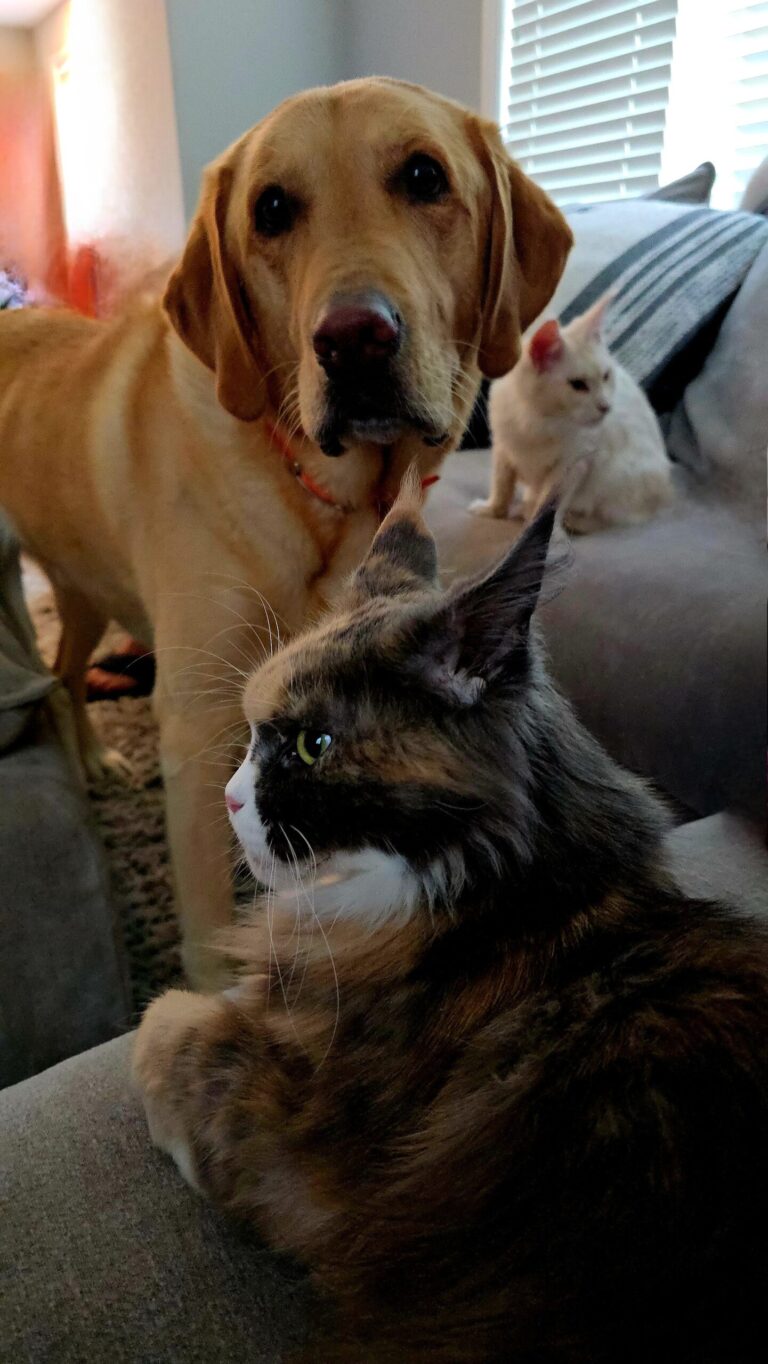
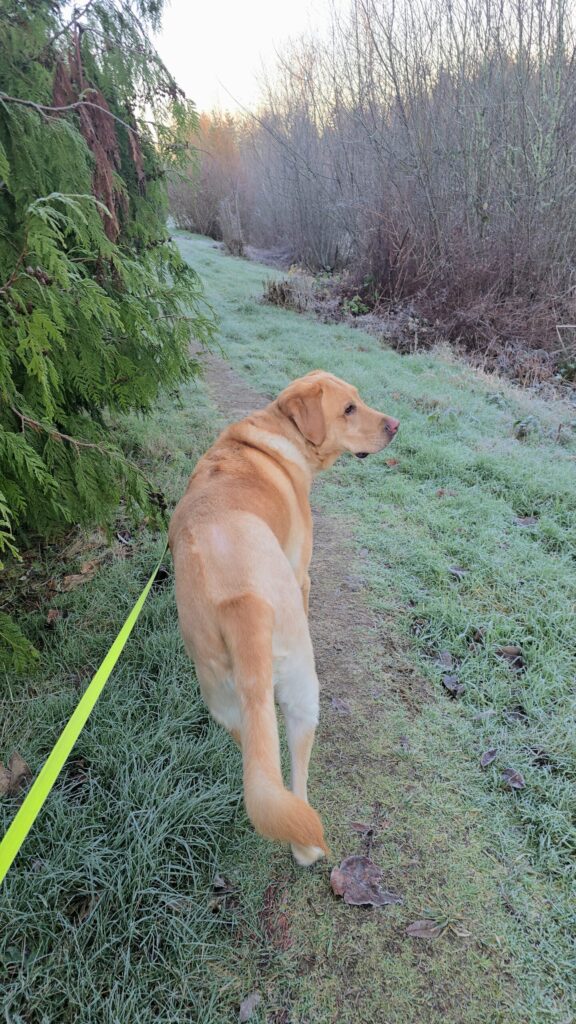
In our house, winter doesn’t stop our routines. We still walk. Even when it’s cold, rainy, or gray, we head out because Boomer loves his walks. And Penelope, our indoor cat, still demands play sessions. But now she’s more likely to curl up on my lap afterward, seeking warmth and closeness that feels different from summer’s independent lounging. Winter just asks us to bundle up, shorten things when needed, and pay closer attention to how the season is showing up for both of them.
Understanding what actually changes in winter, and what matters most because of it, keeps the season from feeling heavy or disconnected.
How Winter Changes Energy, Movement, and Engagement for Dogs and Cats

Winter doesn’t usually create new problems. It reveals the ones pets were already compensating for.
In warmer months, pets often have more margin. More spontaneous movement throughout the day keeps joints loose. Longer daylight hours support better regulation. Outdoor time provides natural physical and mental engagement. When winter shrinks all of that, the compensation that was working becomes visible.
Energy dips. Movement looks slower. Engagement shifts. Pets may rest more, play less, or seem stiff when getting up. This is especially noticeable in older pets or those with a history of injury, but even young, healthy animals feel the seasonal shift.
For dogs, this often shows up in movement—slower to get up, less enthusiastic about walks, needing more time to warm into activity. For cats, it’s more about engagement—less interest in play, more time spent sleeping, or conversely, restlessness when household activity drops and the environment offers less stimulation.
What looked like “fine” in October starts to show up as stiffness or low energy by January. This isn’t decline. It’s the season revealing what was already there.
Noticing this early matters. It allows you to respond with support instead of worry.
Movement Still Matters, But Winter Redefines It
In colder months, movement doesn’t disappear. It gets redefined by what’s actually possible.
For dogs, this often means shorter walks timed around weather breaks rather than skipping entirely. A ten-minute loop in late morning sun can do more for joints and mood than waiting for ideal conditions that never arrive. Consistency matters more than duration. Regular movement keeps tissues warm and circulation steady, even when intensity drops.
Indoor play counts too. Sniff work, gentle tug sessions, or even slow-paced stair climbing can maintain engagement when outdoor time shrinks. The goal isn’t perfection. It’s preventing long stretches of complete inactivity that make the next movement harder.
For cats, movement looks different but follows the same principle. Vertical exploration, hunting-style play with feather wands, or puzzle feeders keep the body active without requiring outdoor access. What matters is regularity, not elaborate setups.
You don’t need the “ideal” version of movement to keep connection intact.
Why Winter Makes Stiffness More Obvious

Cold affects connective tissue. Joints that felt fluid in summer need more time to loosen in winter. Less frequent movement means muscles cool down between activities, making each restart slower. This isn’t necessarily new damage. It’s often existing compensation becoming harder to mask when the margin shrinks.
I noticed this with Boomer after his TPLO surgery. In warmer months, he moves into his walks easily. In winter, he needs a slower start. Sometimes a few minutes of just standing outside, shifting weight, before he’s ready to walk. That adjustment doesn’t mean he’s worse. It means winter asks for more gradual warm-ups.
For cats, stiffness shows up differently. Watch for hesitation before jumping to a favorite perch, reluctance to use high surfaces, or slower transitions from curled rest to movement. Senior cats especially may need lower access points or warmed resting spots that don’t require jumping to reach.
Here’s what to watch for:
- How your pet moves in the first few minutes after rest
- Whether they need extra time before engaging fully
- Changes in willingness to attempt movements they used to do easily
These signs don’t mean you’re failing winter care. They mean winter slows things down and asks for gentler pacing.
Warmth and Hydration Matter More Than We Think
Hydration is easy to overlook once summer ends, but winter can quietly reduce how much pets drink. Cooler temperatures dull thirst, even though their bodies still need fluids to support joints, digestion, and overall comfort.
I notice this with both Boomer and Penelope. Water bowls that emptied quickly in summer sit fuller longer in winter. It’s not that they don’t need water—it’s that cold water in a cold house doesn’t invite drinking the way room-temperature water does in heat.
Warm water, bone broth, or lightly warmed meals can help lower the resistance to drinking and eating. It’s not about adding something new. It’s about making existing habits more supportive in colder months. For cats especially, multiple water stations in warmer areas of the house can make a difference.
Warmth works the same way. Warm resting spots make a difference. A heated bed, a place near a heat source, or even a sunbeam in the afternoon can reduce physical stress and make movement easier when pets get up. I see this with Boomer after his morning walk. If he curls up on a cold floor, his next movement is noticeably stiffer. If he settles on his heated bed, he transitions more fluidly.
Avoiding cold, damp conditions matters too. Wet fur, cold floors after baths, or extended time on frozen ground all increase the work a pet’s body has to do to maintain warmth and comfort.
When pets spend more time indoors during winter, the quality of their environment matters too. I shared what actually made a difference for us in Reducing Household Toxins for Pets: What Actually Made a Difference in Our Home.
Winter doesn’t require more effort. It requires more intention.
How Winter Affects Indoor Cats

For indoor cats, winter shows up differently than it does for dogs. It doesn’t mean less outdoor time. It means a shift in household rhythm that shows up in subtler ways.
Days get shorter. Natural light shifts. The house stays closed up. Heating systems run constantly. Everyone moves less, sleeps more, and the background hum of activity drops.
Cats notice all of it.
Winter often reveals how much indoor cats rely on environmental stimulation—light patterns, airflow, the sound of windows opening, the movement of people coming and going. When that shrinks, behavior can shift.
Creating intentional spaces at home can make a big difference for indoor cats during quieter seasons, which I share more about in Creating Cat Sanctuaries at Home.
Some cats sleep more and seem content. Others become restless, vocal, or suddenly interested in areas of the house they normally ignore. Neither response means something is wrong. Both mean the cat is adjusting to a different sensory environment.
I see this with Penelope. In warmer months, she’s content to nap on her own, moving between perches throughout the day. In winter, she seeks me out more. She’ll settle close when I’m working, follow me from room to room, and ask for attention in ways that feel more insistent. It’s not neediness. It’s her way of adjusting to a quieter, more static environment.
What actually helps:
- Vertical space and window access become more important when environmental stimulation drops. Even watching snow fall or birds at a feeder provides mental engagement that matters more in winter.
- Rotating toys and enrichment prevents the same environment from feeling static. Puzzle feeders, hiding treats, or simply moving a favorite perch can shift energy without adding complexity.
Winter doesn’t limit indoor cats. It just asks for more intentional engagement when the environment itself offers less.
Winter Support at a Glance
Stiff or slow warm-ups (dogs noticeably slower to stand; cats hesitant to jump)
→ Gentle massage, longer warm-up time, lower access points for cats
Reduced movement overall
→ Shorter, consistent walks for dogs; rotating enrichment and vertical space for cats
Indoor restlessness (dogs bouncing off walls; cats vocal or overly active)
→ Mental enrichment, puzzle feeders, purposeful play sessions
Less drinking
→ Warm water, lightly warmed meals, multiple water stations for cats
Cold sensitivity
→ Warm, dry resting areas; heated beds for senior or thin-coated pets
Winter care isn’t about doing more.
It’s about supporting the body and nervous system through a slower season with intention.
Winter Doesn’t Mean Losing Connection

One of the biggest myths about winter is that it puts life on pause. In reality, winter simply shifts where connection happens and what it looks like.
It often means quieter companionship, sitting together while the house stays warm, noticing subtle cues that get lost in busier seasons, paying attention to small shifts in mood or comfort.
Small daily rituals still matter, even when routines shift. I shared some of the ones that have mattered most for us in A Ritual of Care: 5 Daily Routines That Strengthen the Bond With Your Pet.
For dogs, winter connection might look like slower morning routines, longer warm-ups before walks, or choosing routes based on their pace rather than distance. It’s learning what temperature makes your dog hesitate at the door or noticing when they seek out sunspots in the afternoon.
For indoor cats especially, winter isn’t about limitation. It’s about recognizing that they’re responding to changes in light, household activity, and environmental rhythm, and meeting those responses with intentional engagement. A few minutes of focused play matters more in winter because the baseline stimulation has dropped.
Connection doesn’t disappear when routines change. It deepens when we stay attentive to what our pets actually need in the season we’re in, rather than what we think they should need.
What Winter Asks of You as a Caregiver
Winter care becomes easier when you release a few expectations that make the season feel harder than it needs to be.
Release the idea that walks have to look the same year-round. A ten-minute loop in manageable weather does more for your dog than waiting for ideal conditions that never arrive. For cats, fifteen minutes of engaged play can replace hours of passive window-watching when the environment offers less natural stimulation.
Release the assumption that reduced energy means something is wrong. Winter naturally slows metabolism, reduces daylight exposure, and limits spontaneous movement. Most pets are adjusting to seasonal rhythms, not declining. The question isn’t whether energy has shifted. It’s whether they’re still engaging when opportunities arise.
Release the belief that pushing through harsh conditions equals better care. Safety matters. Comfort matters. A dog shivering through a walk because “they need exercise” isn’t getting the benefit of movement. They’re just getting cold. Care isn’t measured by how much discomfort you tolerate.
What matters most is noticing changes early, staying flexible, and finding ways to support movement, hydration, and connection without forcing things to look the way they used to.
Winter can also magnify dynamics in shared spaces, especially when everyone is indoors more often. I talk more about navigating that balance in Multi-Pet Household Harmony.
Different climates require different choices. What works in mild Pacific Northwest winters won’t work in Minnesota. What an eight-year-old Labrador needs differs from a thirteen-year-old cat with arthritis. Winter asks you to adjust to the conditions and the animal in front of you—not to an ideal that exists somewhere else.
Winter as Adjustment, Not Loss
Winter isn’t a sentence to suffer through. It’s a season that asks for adjustment. And adjustment isn’t the same as compromise.
For us, winter has become less about maintaining the same routines and more about staying present to what Boomer and Penelope actually need. Some days that’s a full walk for Boomer. Some days it’s five minutes outside and the rest of his energy goes into sniff work indoors. For Penelope, it’s recognizing that her increased closeness isn’t neediness—it’s how she regulates in a season that offers less environmental stimulation. None of it feels like less care. It just feels different.
Shorter walks aren’t failures. More time on the couch isn’t laziness. Extra attention to warmth and hydration isn’t overthinking. These are the adjustments winter asks for, and they’re legitimate forms of care.
The season doesn’t ask you to do less. It asks you to do what matters, with more intention and more attentiveness to the signals your pet is giving you.
Winter will end. Routines will shift again. But the skill of noticing what your pet needs in real time, rather than what a schedule or habit says they need. That stays with you.
Winter Wellness for Dogs & Cats: FAQs
What does winter wellness for dogs and cats actually mean?
Winter wellness for dogs and cats means adjusting care to support movement, comfort, hydration, and connection as cold weather changes daily routines. Instead of maintaining summer habits, winter care focuses on consistency, warmth, and responding to seasonal shifts in energy and behavior.
Do dogs need as much exercise in winter as they do in summer?
Dogs still need regular movement in winter, but exercise often looks different. Shorter, more consistent walks, indoor play, and scent-based activities help maintain physical and mental health when weather limits outdoor time. Consistency matters more than distance in colder months.
Why do dogs seem stiffer or slower during cold weather?
Cold temperatures can make joints and connective tissue feel tighter, especially in older dogs or those with previous injuries. Reduced movement between activities can also slow warm-ups. Allowing gradual movement, supporting warmth, and maintaining gentle activity can help reduce stiffness.
Is it normal for cats to sleep more or act differently in winter?
Yes. Cats often sleep more in winter due to shorter daylight hours and reduced environmental stimulation. Some cats may also seek more closeness or become more vocal. These changes usually reflect seasonal adjustment rather than illness, as long as appetite and engagement remain stable.
How can I support indoor cats during winter months?
Indoor cats benefit from intentional stimulation in winter. Vertical space, window access, rotating toys, puzzle feeders, and short, focused play sessions help maintain activity and mental engagement when natural environmental cues are reduced.
Do pets drink less water in winter, and should I be concerned?
Many dogs and cats drink less water in winter because cooler temperatures reduce thirst cues. Hydration still matters for joint health, digestion, and comfort. Offering warm water, lightly warmed meals, or bone broth can help encourage adequate fluid intake.
Should I change my pet’s routine during winter?
Winter routines often need adjustment rather than elimination. Walks may be shorter, playtime may move indoors, and rest may increase. These changes are normal and supportive when they maintain rhythm, safety, and connection.
When should winter behavior changes be a concern?
Gradual seasonal changes are normal. Sudden or severe shifts, ongoing pain, appetite loss, or withdrawal may signal an underlying issue and warrant a veterinary check. Trust your instincts if something feels outside your pet’s normal pattern.
At Joyfolk Pets, we believe wellness begins in the everyday moments we share with our animals.
Rooted in nature. Made with heart.