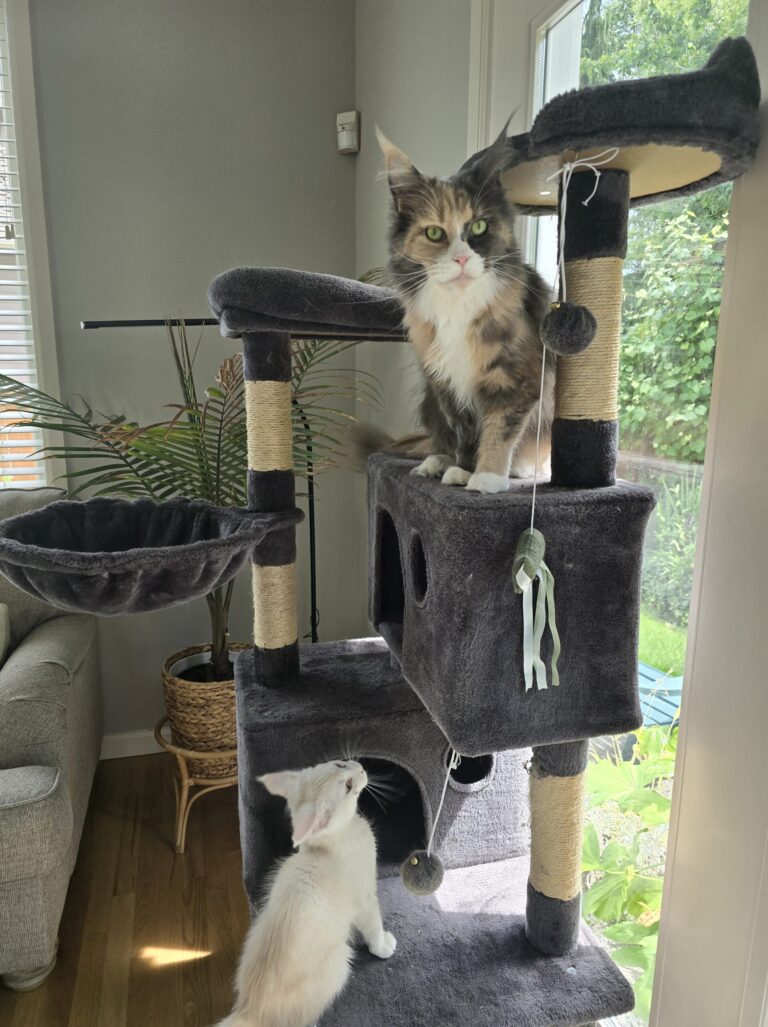
Bringing Your Cat to College: A Complete Guide to Emotional Support Animal Transitions

From Empty Nest to College Preparation
Bringing a cat to college isn’t a decision we made lightly. When my youngest son left for college last year, our house changed overnight. After we lost two of our longtime companions, our dog Maggie (17) and our cat Marley (19), the shift was deeply felt for my son, who lives with ADHD and had never known life without animals.
That’s when the idea of bringing a cat to college as his emotional support animal began to take root. Now, a year later, Luna is part of our family, a spunky, shoulder-riding Maine Coon kitten with a deep bond to my son, and she’s preparing to head off to college with him.
The process of bringing a cat to college requires extensive planning, proper documentation, and thoughtful preparation for both student and pet. According to the Americans with Disabilities Act (ADA), emotional support animals provide therapeutic benefit through companionship but are not covered under the ADA and require specific housing accommodations in college settings. Instead, college housing accommodations for emotional support animals are governed by the Fair Housing Act, which requires universities to provide reasonable housing accommodations for students with documented disabilities.
Additionally, many states have their own housing or anti-discrimination laws that provide additional protections for emotional support animals. For example, in Washington State emotional support animals are allowed in housing under the Fair Housing Act (FHA) and the Washington Law Against Discrimination (WLAD). Students should research their specific state’s housing discrimination laws, as these may offer additional rights beyond federal requirements when bringing cat to college.
In this comprehensive guide, I’m sharing everything we’ve learned about preparing to bring our cat to college, from legal requirements to practical preparation, and how we’re setting Luna up for success in her new academic environment.
While this guide focuses specifically on bringing a cat to college, many of the principles - from ESA documentation to dorm preparation strategies - apply to other college-bound animals as well. Dog, rabbit, or bird parents may find much of this advice helpful, though specific care requirements will need to be adapted for your particular animal's needs.
Understanding Legal Requirements for Bringing Cat to College
Bringing a cat to college isn’t a casual decision, it requires proper documentation, university approval, and careful consideration of your student’s genuine needs. The U.S. Department of Housing and Urban Development provides guidelines that colleges must follow for emotional support animal accommodations.
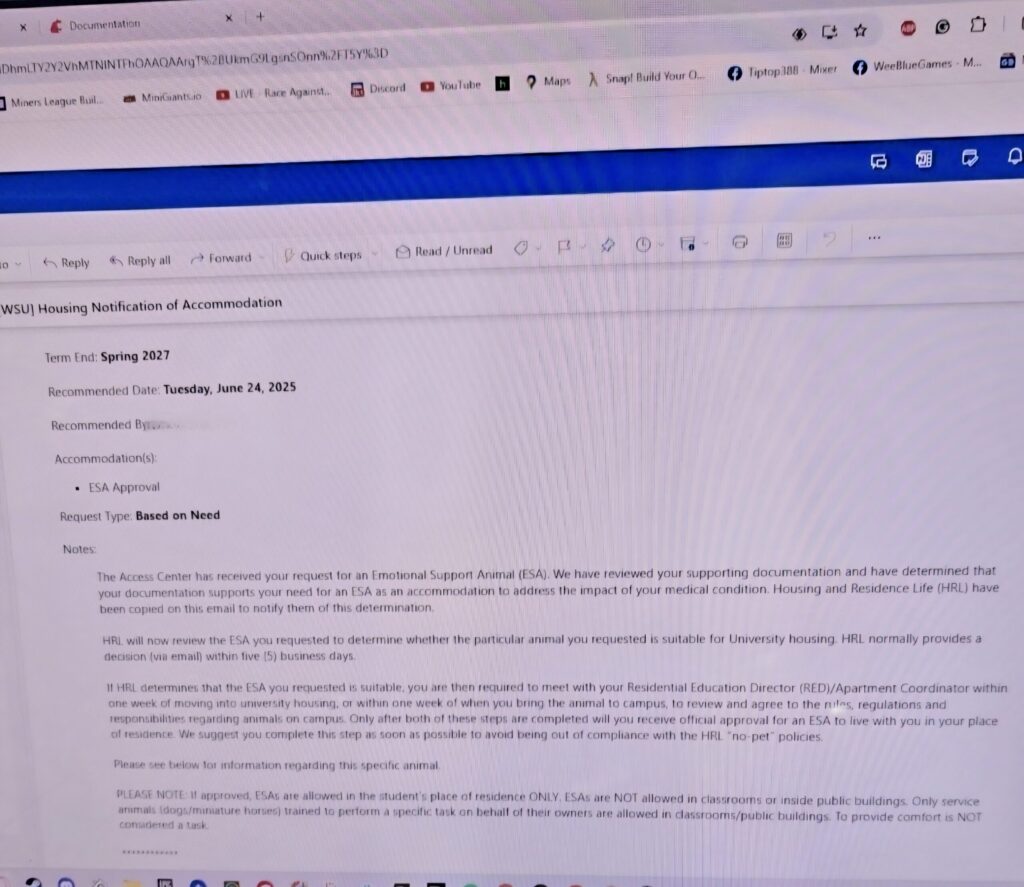
Legal Requirements and Documentation:
- Official ESA letter from licensed mental health professional – must specify the therapeutic need for emotional support
- University housing accommodation approval – submit documentation well in advance of housing assignments
- Updated vaccination records and health certificates – most universities require current veterinary documentation
- Compliance with local housing laws – understand both campus and municipal pet regulations
- Renewal requirements – ESA letters typically need annual updates from healthcare providers
Ideal Campus Living Situations:
- Private dorm rooms – eliminates roommate conflicts and provides controlled environment
- Rooms with external access – easier for litter box maintenance and emergency situations
- In-room sinks or nearby bathroom facilities – essential for food prep and cleaning
- Ground floor or accessible locations – simplifies moving supplies and emergency evacuation
- RA or leadership positions – often come with enhanced housing accommodations
University Approval Process:
- Contact disability services early – begin documentation process 6-12 months before enrollment
- Understand specific university policies – each institution has unique ESA requirements and restrictions
- Plan for housing assignments – ESA approval may affect dormitory placement options
- Know your rights and responsibilities – understand both protections and obligations under accommodation laws
Creating a Functional Dorm Room Environment for Your Cat
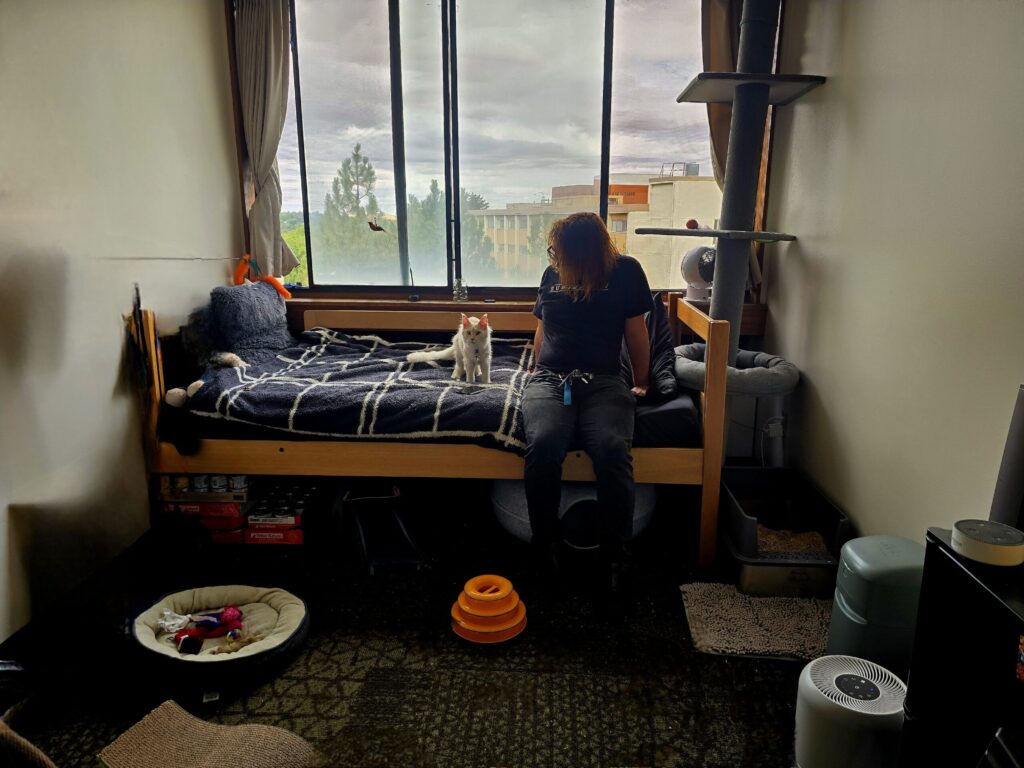
Successfully bringing your cat to college requires transforming a standard dorm room into a cat-friendly living space through creativity, planning, and attention to your cat’s needs and natural behaviors:
Essential Space Planning:
- Establish vertical territory – cats feel secure when they can access high perches and observation points
- Create distinct zones – separate areas for eating, sleeping, playing, and elimination
- Maximize natural light access – position cat furniture near windows for sunbathing opportunities
- Ensure escape routes – cats need multiple hiding spots and pathways for stress management
- Plan for exercise needs – indoor cats require structured play and movement opportunities
Furniture and Equipment Essentials:
- Compact cat tree with multiple levels – provides exercise, scratching, and elevated resting spots
- Window perches or shelving – expands usable space while satisfying natural climbing instincts
- Collapsible storage solutions – maximize limited dorm space while keeping supplies organized
- Comfortable bedding in quiet corners – creates safe retreat spaces for rest and stress relief
- Interactive toys and puzzle feeders – mental stimulation prevents boredom and destructive behaviors
Environmental Enrichment Strategies:
- Rotating toy selection – prevents habituation and maintains engagement throughout the semester
- Safe plant alternatives – cat grass or spider plants provide natural enrichment without toxicity risks
- Scent comforts from home – familiar blankets and toys ease transition anxiety
- Scheduled outdoor access – harness training enables supervised fresh air and stimulation
- Consistent daily routines – predictable schedules reduce stress and support emotional regulation
Essential Supply Checklist for Bringing Cat to College
Thorough preparation prevents mid-semester supply emergencies and ensures your cat’s needs are consistently met:
Daily Care Essentials:
- Self-cleaning or easy-maintenance litter box – reduces daily maintenance burden during busy academic periods
- Unscented, low-dust litter – sensitive to dormitory air quality and respiratory health
- Stainless steel or ceramic food and water bowls – hygienic, easy to clean, and bacteria-resistant
- High-quality brush and nail clippers – regular grooming prevents matting and maintains health
- Pet-safe cleaning supplies – enzyme cleaners for accidents and general sanitization
- Secure carrier with comfortable bedding – essential for travel and emergency evacuation
Health and Safety Equipment:
- First aid kit with basic medications – thermometer, hydrogen peroxide, and emergency contact information
- Calming aids and stress relief products – pheromone sprays, anxiety wraps, or natural supplements
- Emergency contact information – local veterinarians, campus safety, and family contact details
- Identification and microchip documentation – current tags and registration information
- Backup supplies – extra litter, food, and medications in case of supply chain disruptions
Comfort and Entertainment:
- Favorite toys and comfort objects – familiar items reduce separation anxiety and homesickness
- Scratching posts or boards – prevents furniture damage while supporting natural behaviors
- Interactive puzzle toys – mental stimulation during long study sessions
- Cozy hiding spots – covered beds or cat caves for security during stressful periods
Always consult your veterinarian before bringing your cat to college to ensure your pet is healthy enough for this major transition and to discuss any specific health considerations for your animal's move to a new environment.
Shelf-Stable Feeding Strategy for Bringing Cat to College
Limited refrigeration and storage space require strategic meal planning when bringing your cat to college. For detailed guidance on this feeding approach, see our comprehensive guide on shelf-stable cat feeding that covers exactly this situation.

This approach prioritizes nutrition while accommodating practical constraints:
Base Diet Foundation:
- High-quality wet food varieties – moisture-rich formulations packed with nutrient-dense organ meats
- Air-dried complete meals – lightweight, concentrated nutrition that rehydrates beautifully
- Rotation schedule – alternate proteins and textures weekly to prevent dietary boredom
- Portion control planning – pre-measured servings prevent overfeeding and simplify daily routine
- Hydration enhancement – add water or bone broth to every meal for optimal moisture intake
Nutritional Supplements and Toppers:
- Omega-3 fish oil – supports cognitive function, coat health, and stress management during academic transitions
- Kelp-based dental powder – promotes oral health without requiring dental procedures away from home
- Bone broth powder or shelf-stable pouches – palatability enhancer that supports hydration and nutrition
- Single-ingredient freeze-dried proteins – chicken heart, liver, smelt for variety and nutrition density
- Digestive support probiotics – help maintain gut health during potentially stressful transition periods
Storage and Organization:
- Airtight storage containers – protect food quality and prevent pest attraction in dormitory setting
- Weekly meal prep systems – portion supplements and toppers in advance for convenience
- Temperature-stable options only – avoid refrigeration requirements that may be unreliable
- Emergency food reserves – maintain two-week backup supply for unexpected supply disruptions
- Delivery planning – establish relationships with local pet stores or online suppliers for semester restocking
Managing the Emotional Transition When Bringing Cat to College
The psychological aspects of bringing a cat to college require as much attention as the practical preparations, affecting both student and pet during this major life change:
Pre-Departure Preparation:
- Gradual independence training – slowly increase time spent alone in designated “college room” at home
- Routine establishment – practice feeding, play, and care schedules that will work during academic terms
- Stress inoculation – expose cat to college-like environments, sounds, and schedules gradually
- Bonding activities – strengthen human-cat relationship before separation from family support system
- Backup caregiver training – ensure student can independently handle all aspects of cat care
Supporting Student Success:
- Time management education – help student understand daily time commitments for proper pet care
- Financial planning – budget for food, supplies, veterinary care, and emergency expenses
- Academic integration – plan study schedules that accommodate pet care responsibilities
- Social considerations – navigate friendships and dating while being a responsible pet parent
- Stress management techniques – recognize when pet care enhances vs. creates additional academic pressure
Long-term Relationship Building:
- Communication strategies – regular check-ins about both academic and pet-related challenges
- Problem-solving skills – empower student to make independent decisions about pet care situations
- Emergency planning – clear protocols for academic breaks, summer arrangements, and crisis situations
- Growth opportunities – recognize how pet responsibility can enhance maturity and life skills

Red Flags: When Bringing Your Cat to College Isn’t Right
Honest assessment of readiness helps ensure success and prevents situations that could harm both student and cat:
Academic Readiness Indicators:
- Consistent personal self-care – student reliably manages their own basic needs and health
- Time management skills – demonstrated ability to balance multiple responsibilities effectively
- Financial stability – realistic budget for ongoing pet expenses throughout college years
- Housing security – confirmed appropriate accommodation for entire academic program
- Genuine commitment – motivation extends beyond novelty or temporary emotional comfort
Warning Signs to Address:
- Impulse decision-making – bringing pet without thorough planning or documentation
- Inadequate housing arrangements – shared spaces, pet-restrictive policies, or unsuitable environments
- Financial uncertainty – inability to budget for ongoing care, emergencies, or veterinary needs
- Academic struggles – existing challenges with time management, organization, or stress management
- Limited support systems – no backup plans for breaks, emergencies, or changing circumstances
Luna's Take

"So apparently I'm going to college. Mom keeps packing boxes and practicing 'dorm room setup' in London's bedroom, which mostly means I get to test-jump from the bookshelf to the desk to the window ledge. I'm excellent at it. London says I'll be his study buddy, which sounds important, though I'm pretty sure my main job is making sure he takes proper nap breaks. Also, I've heard there are other students in this 'dorm' place. I assume they'll all want to meet me. I'm prepared to be very popular."
Complete College Cat Preparation Checklist
The Journey Continues: Bringing Cat to College Success Story
Watching my son prepare to care for Luna independently represents so much more than bringing his cat to college, it’s a beautiful evolution toward responsible adulthood, enhanced by the healing presence of an animal companion who truly understands his needs.
This journey of bringing a cat to college has taught our family that successful transitions require equal parts practical preparation and emotional readiness. From gathering proper documentation to creating functional living spaces, from establishing feeding routines to managing separation anxiety, every detail contributes to the overall success of this unique college experience.
For families considering bringing their cat to college, remember that this path isn’t just about providing comfort during a challenging life transition. It’s about fostering independence, teaching responsibility, and recognizing that sometimes the most profound healing happens in the quiet moments between study sessions, when a gentle purr reminds us that we’re never truly alone.
Furthermore, for ongoing support with feeding routines that work in dorm settings, explore our detailed guide on natural feeding mistakes to avoid and creating cozy pet-friendly environments that can be adapted for small spaces.
Luna’s college adventure is just beginning, and while I know our house will feel quieter without her playful energy, I also know she’s exactly where she belongs, supporting my son as he discovers his own path while learning to care for another living being with intention and love.
The bond between a young adult and their emotional support animal can transform college from a period of isolation into an opportunity for growth, connection, and deeper self-understanding. With proper preparation, genuine commitment, and a whole lot of heart, bringing your cat to college can benefit everyone involved.
If you’re navigating what comes after the move, I share a candid look at Luna’s first months in the dorm, including how we evaluated stress, adjusted routines, and assessed whether the transition was truly working in Bringing Your Cat to College: How to Tell If They’re Actually Adjusting.
Frequently Asked Questions
Do I need an ESA letter to bring my cat to college?
Yes. You need an official ESA letter from a licensed mental health professional that specifies your therapeutic need for an emotional support animal. Submit this to your university’s disability services office along with your housing accommodation request, ideally 6-12 months before enrollment.
What’s the difference between an ESA and a service animal in college housing?
Service animals are covered under the ADA and are task-trained to perform specific disability-related functions. Emotional support animals provide therapeutic benefit through companionship and are covered under the Fair Housing Act for college housing, but have different legal protections and don’t have public access rights.
Can my roommate refuse to live with my emotional support cat?
Universities must provide reasonable accommodations, which typically means housing you in a private room or with a roommate who consents to living with a cat. You cannot force an unwilling roommate to accept an ESA, but the university must work with you to find appropriate housing.
How do I find a vet near my college campus?
Research veterinarians near campus before move-in. Look for clinics with good reviews, reasonable emergency policies, and student-friendly hours. Establish care early in the semester, before any health issues arise, and keep their contact information in your emergency kit.
What happens to my cat during semester breaks and summer?
Plan ahead for all breaks. Options include taking your cat home, arranging on-campus housing if available, or having a trusted local caregiver. Never leave your cat alone in a dorm during breaks—this is both unsafe and typically violates housing agreements.
Can I bring my cat to college if I have a shared dorm room?
It’s challenging but possible if your roommate consents and you have proper ESA documentation. However, private rooms are strongly recommended to avoid conflicts, ensure your cat’s security, and give you both the space needed to thrive during this transition.
Preparing for dorm life with your cat? Check out our guides on shelf-stable cat feeding for limited-space nutrition and cat sanctuaries at home for creating functional feline environments in small spaces.
At Joyfolk Pets, we believe wellness begins in the everyday moments we share with our animals.
Rooted in Nature. Made with Heart.