Understanding Your Pet’s Love Language: How Dogs and Cats Give, Receive, and Recognize Love

Most pet parents don’t question whether they love their animals.
They wonder whether that love is being understood.
We show affection instinctively. We pet, talk, play, care, and rearrange our lives around the animals we live with. And yet, many of us still pause at some point and ask ourselves quieter questions. Does this comfort them, or overwhelm them? Do they feel secure, or just tolerated? Are we actually connecting, or just coexisting?
That uncertainty is why the idea of a pet’s love language resonates so deeply.
The concept isn’t about projecting human emotion onto animals. It’s about recognizing patterns. How connection shows up. How trust is built. How love is exchanged in ways that make sense to the animal on the receiving end.
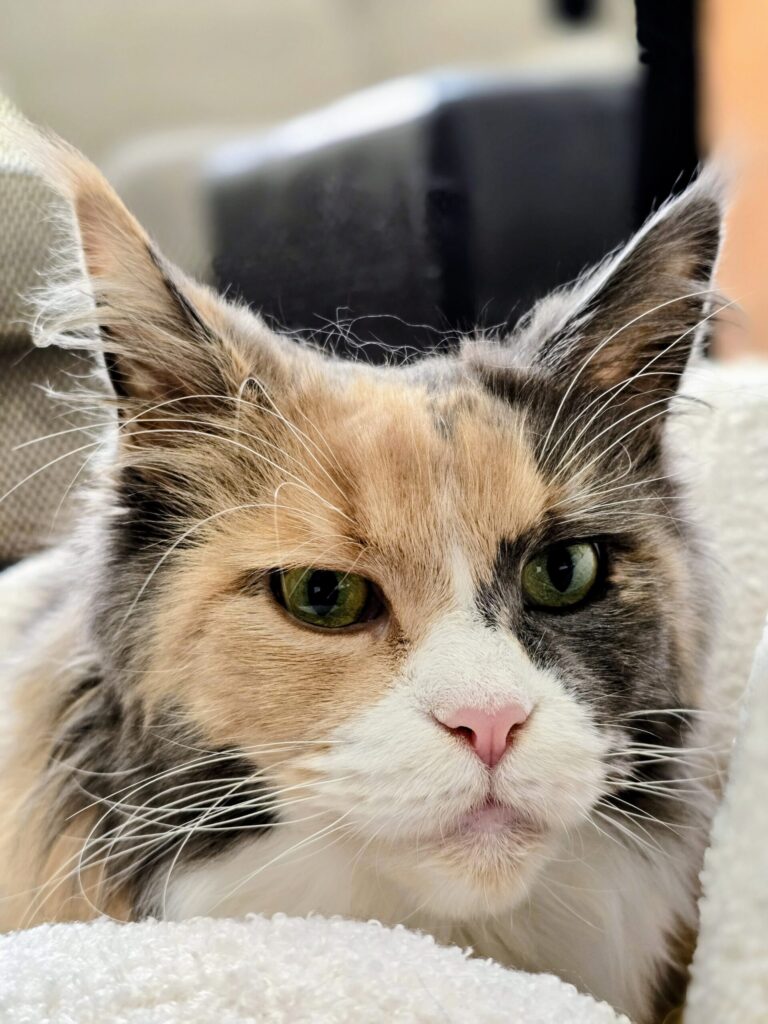
Living with Boomer, Penelope, and Luna has taught me that love looks different depending on who is offering it and who is receiving it. Boomer stays close most of the day, quietly tracking where I am and settling nearby. Penelope moves in rhythms. She checks in during transitions, curls up in the evening, and joins me at the edges of the day. Luna brings energy, curiosity, and invitation, often turning connection into movement or play.
None of these expressions are better or worse. They are simply different ways of saying the same thing.
Understanding your pet’s love language is about noticing those differences and learning how to meet them with intention.
Many of these patterns show up first in the small, everyday ways we care for our animals — something I wrote about in The Small Ways We Say “I Love You” to Our Pets.
What Love Language Means for Pets

When we talk about love languages in pets, we are really talking about how animals experience safety, trust, and connection.
A pet’s love language shows up in how they naturally seek closeness, how they respond to care, and what helps them feel most settled in their environment. It includes both how they express affection and how they recognize it when it’s offered back.
This article looks at the five love languages of pets, drawing from life with both dogs and cats. Most animals move between more than one language, and many change over time. The goal is not to label your pet, but to understand them more clearly.
Love Language One: Proximity and Presence
Some pets feel most connected simply by being near you.
They follow you from room to room. Lie nearby while you work. Choose the same couch, the same corner, the same quiet space you occupy. They may not ask for touch or play. They just want to share space.
Boomer expresses this love language clearly. He stays close throughout the day, content to rest nearby and check in with a glance or a soft nudge. Penelope shows it differently. She does not stay close all day, but she appears at meaningful moments. She follows me upstairs, checks in near the end of the workday, settles on the couch in the evening, and joins me in bed during the quiet bookends of the day.
Pets who connect through presence are communicating safety. Being near you helps regulate them. Acknowledging them does not require stopping everything. A look, a word, or allowing them to stay close is often enough.
If your pet seems unsettled when ignored but relaxes once acknowledged, proximity may be their primary love language.
Meeting this need means noticing when closeness is being offered and allowing it to exist without interruption or dismissal.
Love Language Two: Physical Affection, on Their Terms
Some pets exchange love through touch.
Dogs may lean their weight into you, rest a paw on your leg, or press their head into your side. Cats may knead, rub against you, curl into your lap, or settle against you with quiet insistence.
Boomer loves physical connection. He seeks out rubs, leans in fully, and is especially content when someone takes the time to massage his shoulders or rub his back. Penelope enjoys touch too, but with more selectivity. She chooses when and how long contact lasts, often preferring steady, gentle affection over constant handling.
For pets with this love language, touch builds trust. But only when it respects boundaries.
Learning this language means watching how your pet responds. Do they lean in, soften, and stay? Or do they tolerate contact and then disengage? The difference matters.
Meeting this need means offering affection that feels safe rather than overwhelming. When touch becomes a conversation instead of a demand, connection deepens.
Love Language Three: Shared Activity and Engagement

For some pets, love is something you do together.
These animals initiate play, bring toys, grow animated during walks, or light up during training or routines that involve collaboration. Engagement itself is the bond.
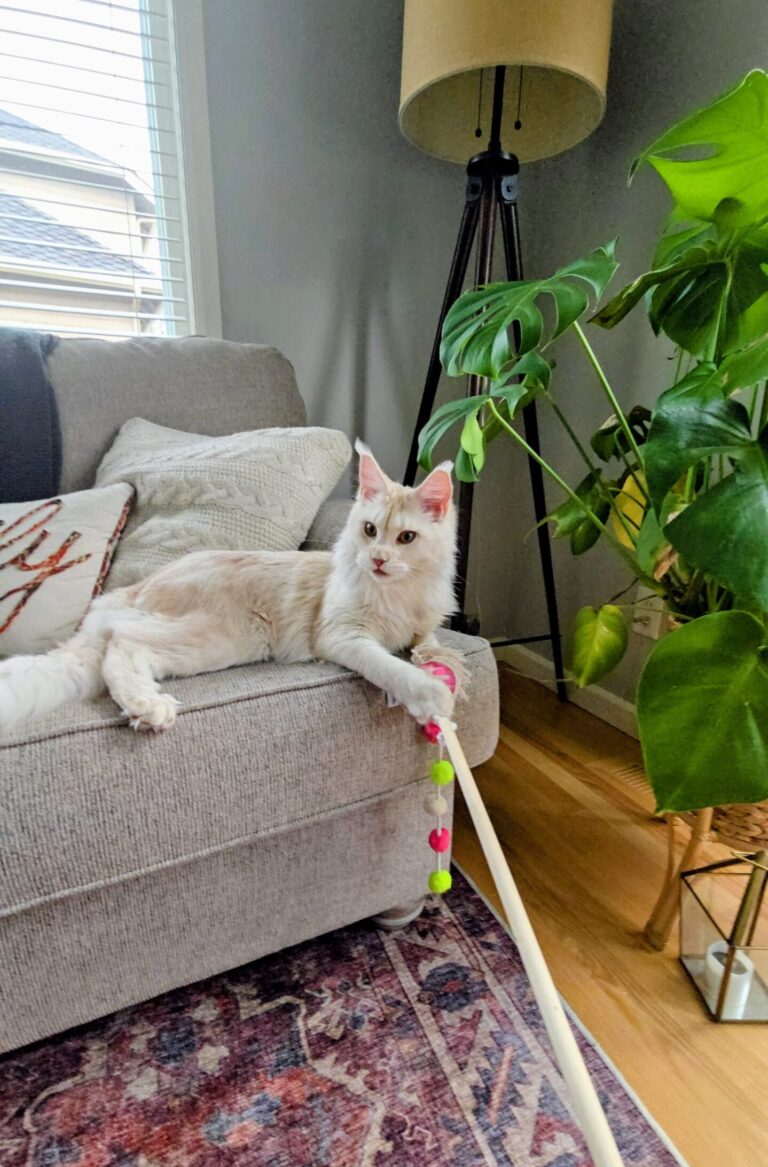
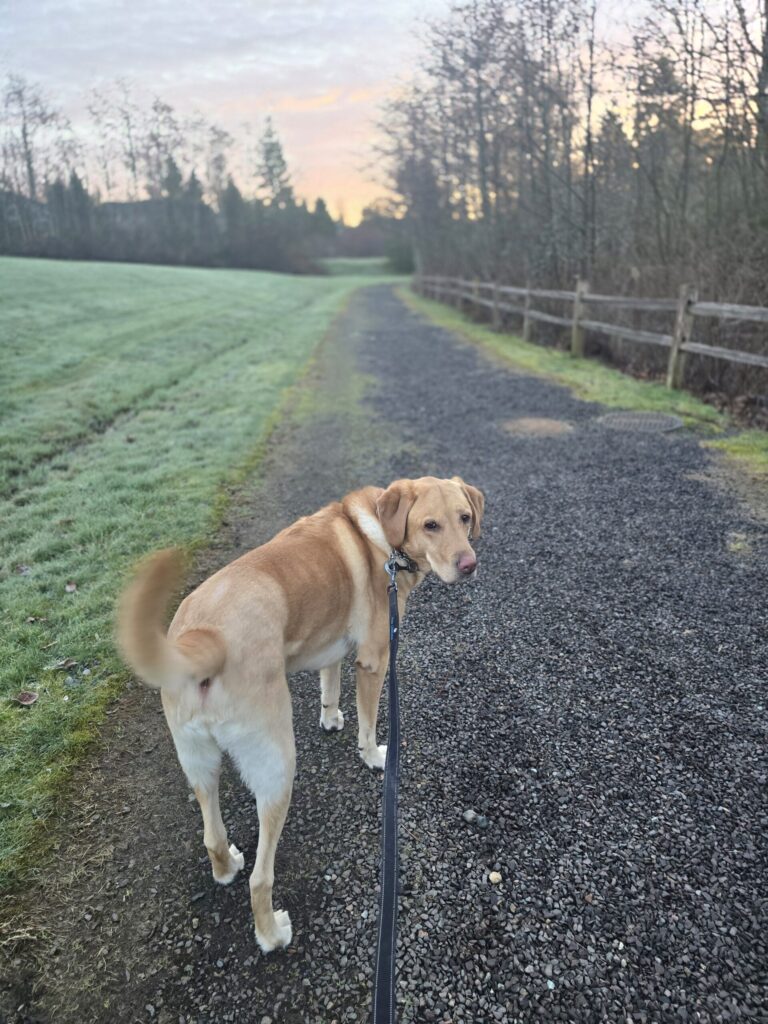
Boomer thrives here too. Walks, playtime, and shared movement are central to how he connects. Luna expresses this love language most clearly. She invites interaction through motion and sound, dropping toys nearby or initiating play in short, focused bursts. When that invitation is met, even briefly, her energy settles.
Pets who connect through activity are asking for attention, not constant stimulation. Ignoring repeated invitations can lead to frustration. Responding with even a few minutes of focused engagement often satisfies the need.
Meeting this love language means recognizing invitations for connection and responding with presence rather than distraction.
Love Language Four: Predictability and Routine
Many pets feel most secure when life follows a familiar rhythm.
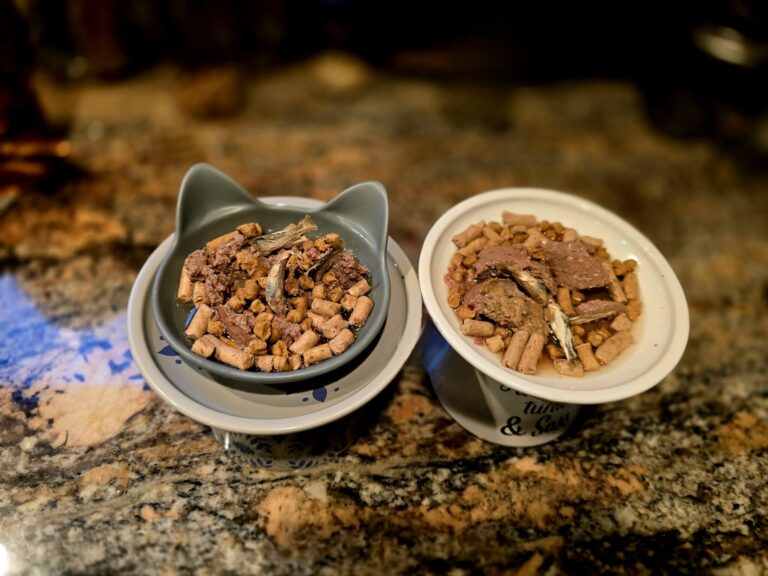
Regular feeding times. Consistent responses. Knowing roughly what comes next. Predictability allows pets to relax into their environment rather than staying alert or on edge.
This love language often works quietly in the background, supporting the others. Boomer settles more easily when his daily rhythms hold. Penelope seeks connection most confidently within familiar routines. Luna’s energy regulates best when play and rest follow a predictable flow.
For these pets, routine is reassurance. It doesn’t replace affection, presence, or engagement. It makes those things easier to receive.
Daily routines are one of the clearest ways pets experience safety and connection, which I explore more deeply in A Ritual of Care: 5 Daily Routines That Strengthen the Bond With Your Pet.
Meeting this need means protecting basic rhythms where you can and recognizing that consistency, for animals, is a form of care.
This love language often works quietly in the background, supporting the others.
Love Language Five: Gentle Guidance and Understanding
Some pets experience love through clarity.
They relax when expectations are consistent and communication is calm. Confusion creates stress. Understanding builds confidence.
This love language often shows up in pets who become anxious when rules change or when signals are unclear. Teaching, in this context, isn’t about control. It is about helping pets navigate the human world safely.
With dogs, this may look like clear cues and predictable boundaries. With cats, it may involve gentle handling practice, consistent care routines, or providing clear alternatives for natural behaviors like scratching.
Meeting this love language means choosing guidance over correction and clarity over inconsistency. When pets understand what is expected of them, they do not have to guess.

Why Understanding Your Pet’s Love Language Matters
When love is expressed in ways a pet understands, daily life becomes easier for everyone.
Misalignment often looks like anxiety, frustration, or withdrawal. Not because love is missing, but because it is being offered in a language the pet does not fully recognize. Understanding your pet’s love language changes how you interpret behavior and how you respond to it. Those love languages often show up first in the small, everyday ways we care for our animals, which I explore more fully in The Small Ways We Say “I Love You” to Our Pets.
If Boomer seems restless despite regular walks, I pause before assuming he needs more activity. Often, what he’s asking for is presence. A few moments of eye contact, a hand resting on his back as I pass by or simply allowing him to settle nearby while I work resolves that restlessness more effectively than adding another walk.
If Penelope becomes more vocal or follows me more insistently, I look at whether routines have shifted. Has feeding time drifted later than usual? Have I been less available during her typical check-in moments at the beginning or end of the day? Restoring predictability often settles her faster than offering extra attention or play.
If Luna’s energy feels scattered, I consider whether she’s had enough engaged activity. A few minutes of focused play, not toys left out in the background, but real participation, often regulates her more effectively than hours of passive stimulation.
Understanding love language also prevents us from misreading behavior as neediness or demanding when it is actually a bid for connection.
A dog who follows you throughout the day may not be clingy. They may simply connect through proximity. A cat who brings you toys repeatedly is not being disruptive. They are inviting shared activity. An animal who becomes unsettled when schedules change is not high maintenance. They rely on predictability to feel safe.
When you recognize the love language underneath the behavior, you stop seeing it as something to fix and start seeing it as communication to meet.
Over time, this builds trust that does not depend on constant reassurance. It creates a relationship where both you and your pet know how to reach each other, even on the days when connection feels a little harder to find.
What Our Pet’s Love Language Teaches Us

Most pets do not belong to a single love language. Many move between them depending on age, health, environment, and season of life.
Boomer relies primarily on proximity and shared activity, but his need for routine becomes more visible during periods of stress or when his body is not moving as easily. Penelope expresses love through presence and touch, yet predictability underlies both. She seeks connection most within the familiar rhythms of the day. Luna’s primary language is engagement, but she also settles through routine and responds beautifully to clear, gentle guidance.
Understanding this fluidity matters.
Love language is not a fixed label. It is a way of noticing what helps your pet feel most regulated, most connected, and most secure in any given moment.
The goal is not to get this right all the time. The goal is to notice, and to adjust.
Love, for pets, is rarely loud or dramatic. It lives in presence, consistency, attention, and understanding. When we learn how our animals experience connection, we stop guessing and start responding. We stop doing more and start doing what matters.
And often, that is enough.
FAQs: Understanding Your Pet’s Love Language
What is a pet’s love language?
A pet’s love language refers to the primary ways they express and experience connection, safety, and trust. It includes how they seek closeness, respond to care, and recognize affection in ways that feel meaningful to them. Unlike human love languages, a pet’s love language is based on behavior patterns, regulation, and environmental comfort rather than emotion or intention.
Do pets really have love languages?
Pets don’t conceptualize love the way humans do, but they do have consistent ways of experiencing connection. The idea of a love language is a helpful framework for understanding how pets feel most secure and bonded in their relationships. This framework helps pet parents interpret behavior more accurately and respond in ways that meet their pet’s needs.
Can dogs and cats have different love languages?
Yes. Dogs and cats often express connection differently, and even within the same species, love languages can vary widely. Some dogs connect through proximity or shared activity, while others rely more on routine or physical affection. Cats may show love through presence, selective touch, predictable rhythms, or engaged play rather than constant interaction.
Can a pet have more than one love language?
Absolutely. Most pets move between multiple love languages depending on age, health, environment, and stress levels. A young pet may rely more on shared activity, while an older pet may seek routine or proximity. Love language is not a fixed label. It is a pattern that shifts over time.
How can I tell what my pet’s love language is?
Start by observing when your pet seems most settled and content.
Notice:
When they seek you out
What helps calm them
How they respond to touch, play, or routine
What changes when something feels “off”
The behaviors that regulate your pet most effectively often point to their primary love language.
What happens if I misunderstand my pet’s love language?
Misalignment often looks like anxiety, restlessness, withdrawal, or frustration. This does not mean love is missing. It usually means love is being offered in a way the pet does not fully recognize.
Understanding your pet’s love language helps you respond to behavior as communication rather than a problem to fix.
Can understanding love language improve behavior issues?
Yes. Many behavior concerns soften when a pet’s core connection needs are met. A dog who seems clingy may need more acknowledged presence. A cat who vocalizes may be responding to disrupted routines. A restless pet may need engaged interaction rather than more stimulation. Meeting the right need often reduces the behavior naturally.
Does a pet’s love language change over time?
Yes. Love language can shift with age, health changes, household dynamics, or stress. Paying attention and adjusting over time is more important than identifying a single, permanent category.
Is this just another way of humanizing pets?
No. Understanding pet love language is not about projecting human emotion. It is about observing behavior, recognizing patterns, and responding in ways that help pets feel safe and regulated in a human-centered world.
At Joyfolk Pets, we believe wellness begins in the everyday moments we share with our animals.
Rooted in nature. Made with heart.